The Complete Guide to Gardening Tips for Beginners
The foundational habits and decisions that prevent most common gardening mistakes, gathered into one starting framework.
Table of Contents
- Before You Plant Anything
- Start With the Soil
- Watering Well
- Working With Your Climate
- Plant at the Right Depth
- Mulch, and Keep It Off the Stems
- Building Skills Gradually
- Learn to Read Plant Symptoms
- Tools Worth Owning, and Tools That Can Wait
- Beginner Mistakes Worth Avoiding
- Where to Go Next
- Frequently Asked Questions
The short answer
The habits that matter most for beginners are these: map your sun before choosing plants, learn your frost dates, water deeply rather than daily, plant at the right depth, mulch but keep it off the stems, and start small. One well tended bed teaches more than a whole garden left half finished.
Most gardening advice is really a variation on a small number of core habits. Get those right and the specifics of any individual plant become much easier to handle. This guide gathers the foundational ones in one place, with links to more detail where it exists.
Before You Plant Anything
Two checks prevent most early failures, and both take an afternoon rather than a season.
Map your sun. Watch the spot you intend to plant across a full day and count the hours of direct sun it actually gets. Full sun means six or more hours, partial sun is roughly four to six, and full shade is under about three. Gardeners consistently overestimate how much sun a spot receives, and a sun loving plant in four hours of light will survive without ever performing.
Know your frost dates. Your average last spring frost and first fall frost define the growing season you are actually working with. They decide when tender plants can go out, how long a crop has to mature, and when protection is worth setting up. A warm week in early spring is not a signal to plant out.
Our 10 Gardening Tips Every Beginner Should Know covers ten starting habits in more detail, including soil testing and right plant, right place matching.
Start With the Soil
Soil is the part beginners skip and experienced gardeners obsess over, and that gap explains a lot of differing results from identical plants.
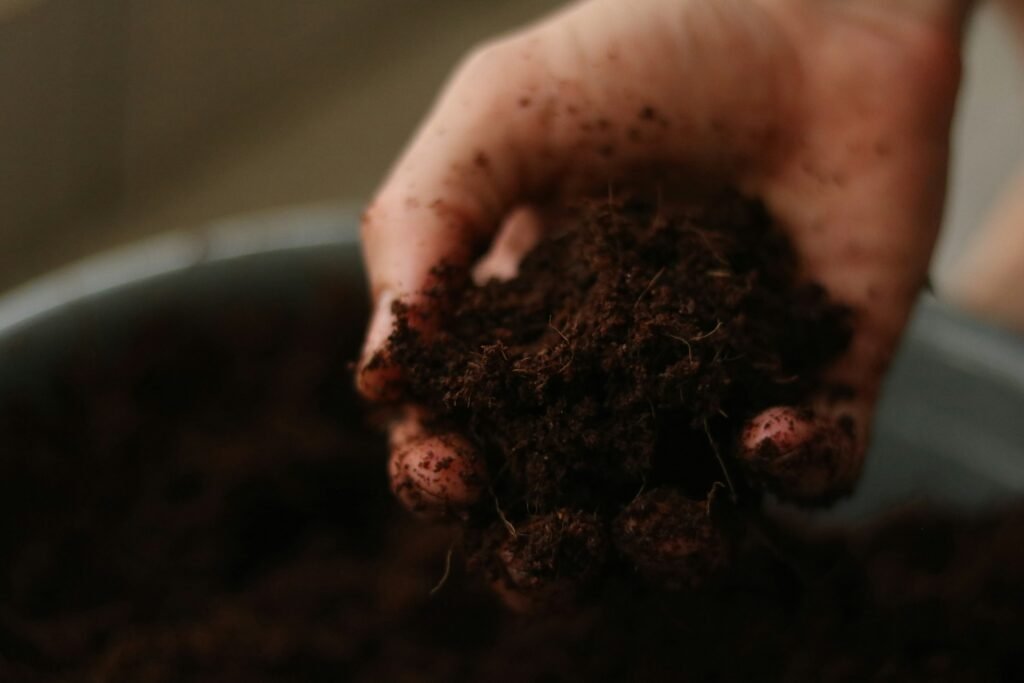
A basic soil test tells you pH and major nutrient levels for very little money. It matters because pH controls whether nutrients already present in your soil are actually available to roots. A plant can be sitting in soil full of iron and still show deficiency because the pH locks it away.
Whatever the test says, organic matter is the general purpose answer. Two to three inches of compost spread on the surface each year improves drainage in heavy clay and water retention in sand, which sounds contradictory but is exactly what better structure does. There is no need to dig it in. Soil life will move it down, and leaving the structure intact is better for drainage than turning beds over.
Watering Well
Deep, infrequent watering builds stronger roots than frequent light watering. This single habit change improves outcomes across almost every plant category on this site: lawns, perennials and vegetables alike.
The reason is simple. Roots grow toward moisture. Water lightly every day and roots stay in the top inch of soil, which is the first layer to dry out and overheat, so the plant becomes permanently dependent on you. Water deeply once or twice a week and roots follow the moisture down, reaching a reserve that carries the plant through hot spells on its own.
Check before watering rather than watering on a schedule. Push a finger two inches into the soil: if it is damp there, wait. Water in the morning where you can, so foliage dries during the day rather than staying wet overnight, which is how most fungal problems start.
Containers are the exception to all of this. They have no soil reserve to draw on and may genuinely need daily watering in summer heat.
Working With Your Climate
Rather than fighting a difficult spot or an unsuitable plant, matching choices to your real conditions (see our plant care guide) saves years of repeated failure with the same plant in the same place.
Hardiness zones tell you what survives your winter, which is useful but only half the picture. Summer heat, humidity, rainfall pattern and soil type all decide whether a plant thrives rather than merely persists. A plant rated for your zone can still fail if it wants sharp drainage and you have heavy clay.
Pay attention to microclimates within your own garden too. A south facing wall stores heat and can hold plants a zone tenderer than the open garden. A low corner collects cold air and frosts first. The windward side of an exposed garden dries out fastest. These differences are often larger than the difference between neighbouring hardiness zones.
Plant at the Right Depth
Planting depth causes more slow, unexplained decline than almost anything else, and the mistake is invisible once the soil is back in place.
For trees and shrubs, the root flare where the trunk widens at the base must sit at or just above the surrounding soil level. Buried too deep, the bark stays wet and the plant declines over years rather than dying outright, which makes the cause hard to spot.
For perennials, match the depth the plant was growing at in its pot. For bulbs, plant at roughly three times the height of the bulb. Dig holes wide rather than deep: roots spread outward far more than down, and loosened soil around the sides is what they grow into first.
Mulch, and Keep It Off the Stems
A two to three inch mulch layer suppresses weed germination, holds soil moisture, moderates soil temperature and slowly adds organic matter as it breaks down. Few single actions do that much at once.
The one rule is to keep mulch pulled back an inch or two from stems and trunks. Piled against bark it holds moisture there and invites rot and pests, which undoes the benefit entirely.
Building Skills Gradually
Start with a small, well tended area rather than an ambitious full yard project. A small bed that succeeds teaches more, and is more encouraging, than a large one that gets away from you in the first season.
Choose forgiving plants for the first year while you learn how your particular garden behaves. Building confidence on plants that tolerate mistakes is far more useful than establishing early on that gardening is difficult.
Keep brief notes: what you planted, where, when, and what happened. A single season of records is worth more than any general advice, because it is about your soil, your light and your climate rather than an average of everyone else’s.
Learn to Read Plant Symptoms
Most distress signals are ambiguous on their own but obvious in context.
- Yellowing lower leaves: usually overwatering or poor drainage, not underwatering. Check the soil before adding more.
- Wilting despite damp soil: often root rot or compacted soil, where damaged roots cannot take water up.
- Leggy, stretched growth: not enough light. The plant is reaching for it.
- Brown, crispy leaf edges: drought stress, wind, or salt buildup in containers.
- Plenty of leaves, no flowers: commonly too much nitrogen, or too little sun.
The habit worth building is walking the garden regularly and looking closely. Problems caught in their first week are usually simple to fix, while the same problem noticed a month later often is not.
Tools Worth Owning, and Tools That Can Wait
A beginner needs remarkably few tools, and buying the right small set beats buying a large cheap one.
Buy these first
- A decent spade and fork. Stainless steel, a handle length that suits your height, and a shaft that is not going to snap on the first buried root.
- Bypass secateurs. Bypass blades cut cleanly like scissors. Anvil types crush stems, and crushed stems die back.
- A hand trowel. Used more than anything else you will own.
- A watering can with a fine rose, for seedlings and new planting.
- Gloves that actually fit. Loose gloves come off and stay off.
These can wait
Powered tools, specialist pruners, soil sieves and most gadgets. Buy them when a specific job has annoyed you three times, not in advance.
One habit matters more than the tools themselves: clean and dry blades after use, and sharpen secateurs occasionally. A sharp clean blade makes cuts that heal; a blunt dirty one makes wounds that rot.
Beginner Mistakes Worth Avoiding
- Starting too big. One well tended bed teaches more and disappoints less than a whole garden half finished.
- Buying plants before knowing the conditions. The plant that catches your eye at the garden centre rarely matches the spot you have.
- Watering little and often. It trains roots to stay at the surface, which is the first place to dry out.
- Planting too deep. Burying a stem or a graft union is a slow, avoidable way to lose a plant.
- Tidying too early in spring. Old growth protects crowns from late frosts, and seed heads feed birds through the worst weeks.
- Giving up after one season. Most gardens look thin in year one and convincing in year three. That is the plant, not the gardener.
Where to Go Next
Once the basics are solid, our category guides go deeper: garden design, landscaping, and lawn care. For working through the year in order, the spring garden checklist and fall planting guide cover the two busiest seasons.
Frequently Asked Questions
What is the single most useful habit for a beginner gardener?
Matching each plant’s sun, soil and water needs to its actual spot in your yard. It prevents more losses than any single technique.
How often should I water a new garden?
Check rather than schedule. Push a finger two inches into the soil and water only if it is dry there, then water deeply enough to soak the root zone. Deep and infrequent beats little and often for everything except containers.
Why do my plants look healthy but never flower?
The two usual causes are too much nitrogen, which drives leafy growth at the expense of blooms, and not enough direct sun. Count the actual hours of sun the spot receives before changing anything else.
How much time does a garden actually need each week?
Less than most people fear, if it was designed for the time available. An hour a week maintains a modest, sensibly planted garden through the growing season. A garden that demands more than you have will simply become a garden you avoid.
What is the easiest thing to grow for a first attempt?
Salad leaves in a container, because the feedback loop is measured in weeks rather than years, and failure costs almost nothing.
Do I need to dig over my beds every year?
No. Repeated digging damages soil structure and the fungal networks plants depend on. Adding compost as a surface mulch and letting worms take it down works better for less effort.
[…] more depth on each habit, see our complete beginner gardening guide and the spring garden […]