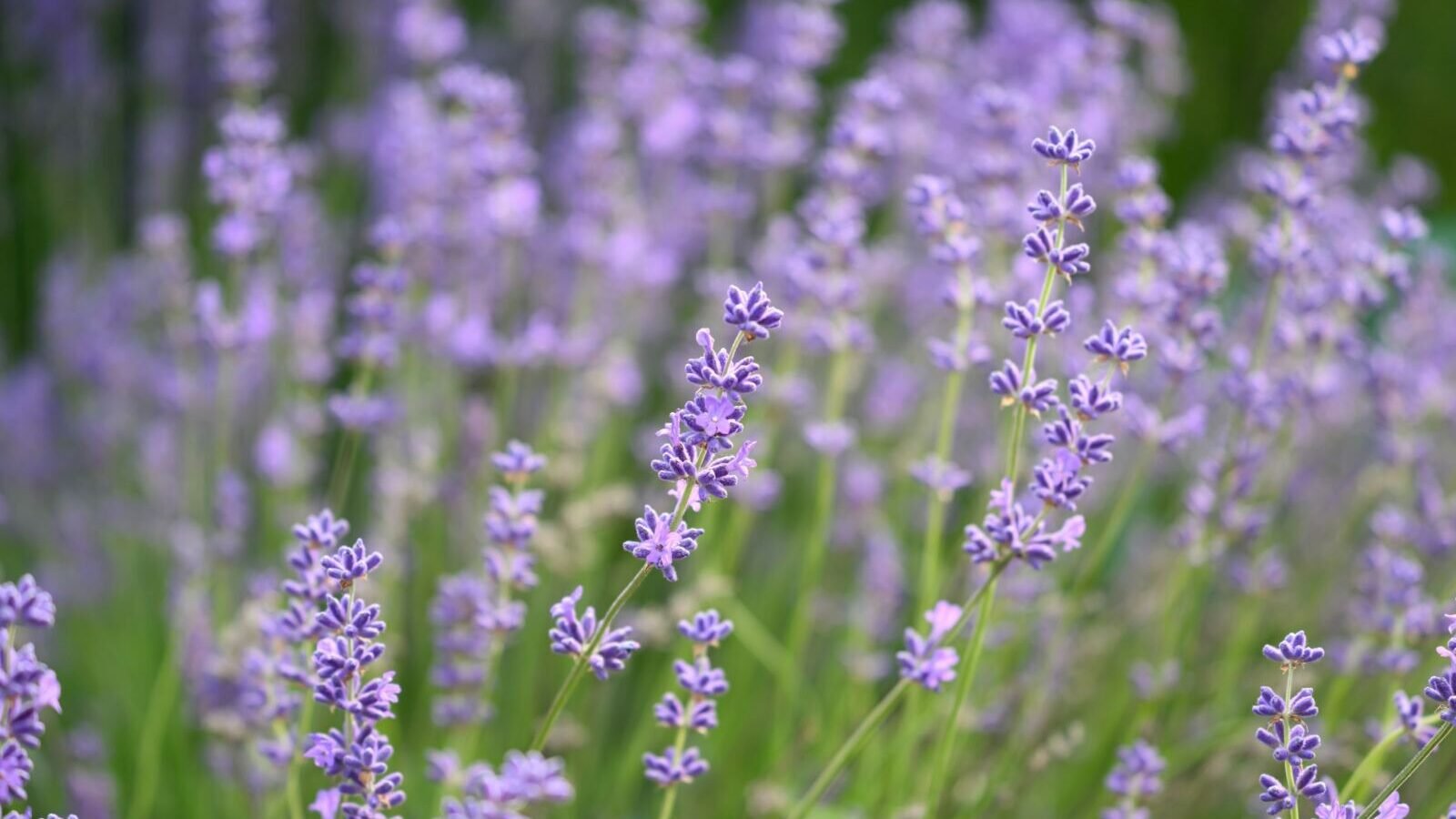
Growing Lavender: A Care Guide for a Fragrant, Low-Maintenance Plant
Everything you need to grow healthy lavender: the right soil, sun, watering habits, and how to prune it so it doesn’t turn woody.
The short answer
Lavender needs full sun, sharp drainage and very little water once established. Prune by about a third every year straight after flowering, staying in green growth and never cutting into bare wood. Most lavender that dies is killed by wet soil in winter rather than by cold, so drainage matters more than hardiness rating.
Lavender is one of the most forgiving perennials you can grow, provided it has the one thing it truly demands: sharp drainage. Get that right, and it will reward you with years of fragrant flowers and very little fuss.
Sun
6+ hours of direct sun
Soil
Free draining, lean, slightly alkaline
Prune
After flowering, never into bare wood
Choosing the Right Spot
Lavender needs full sun, at least six hours a day, and above all soil that drains quickly. It evolved in the rocky, sun baked soils of the Mediterranean, and it struggles in heavy clay or anywhere water sits after rain.
It also wants air moving around it. Lavender planted tight against a fence or crowded by neighbouring perennials holds humidity in the foliage, which is how the grey mould and dieback that gardeners blame on cold actually starts.
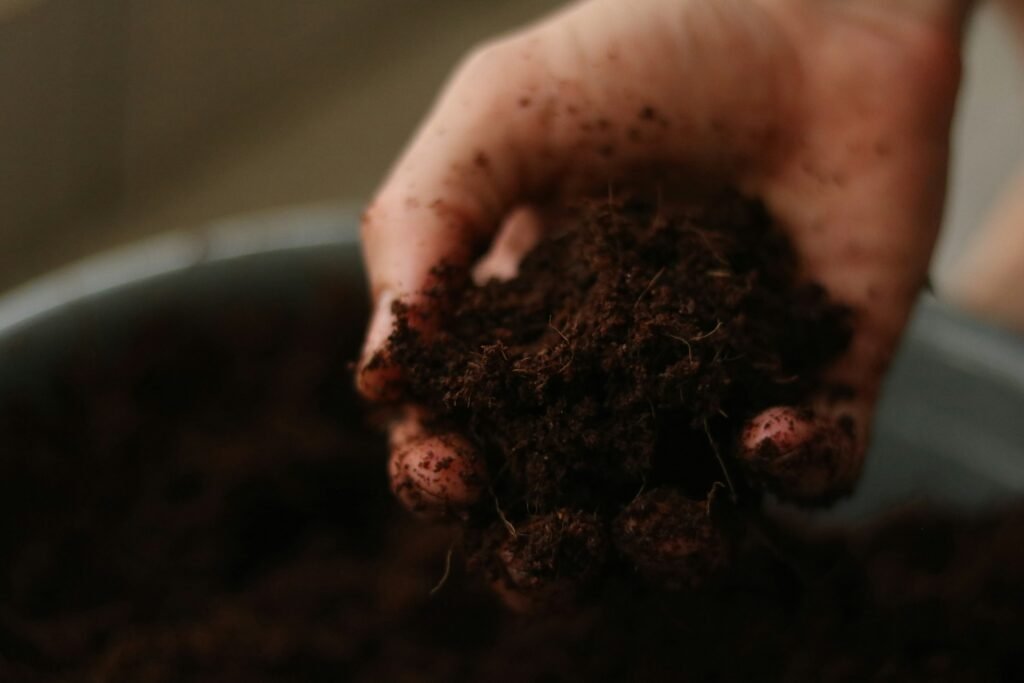
If your soil is heavy clay
- Plant on a slight mound or raised bed rather than in a dip
- Work coarse grit or horticultural sand into the planting hole
- Consider growing in a pot with a very free draining mix instead
- Add a gravel mulch rather than bark, which holds moisture at the crown
Which Type to Grow
English lavender (Lavandula angustifolia) is the hardiest and the best choice in cold winters. French and Spanish types flower for longer and have showier bracts, but they are noticeably more tender and are often treated as annuals or moved under cover.
If winter wet is your main risk rather than winter cold, English types on a mound will outlast anything else in the border.
Watering: Less Is More
Once established, lavender is drought tolerant and prefers to dry out between waterings. Overwatering, not cold, is the most common way gardeners lose lavender plants, especially in the first year while roots are establishing.
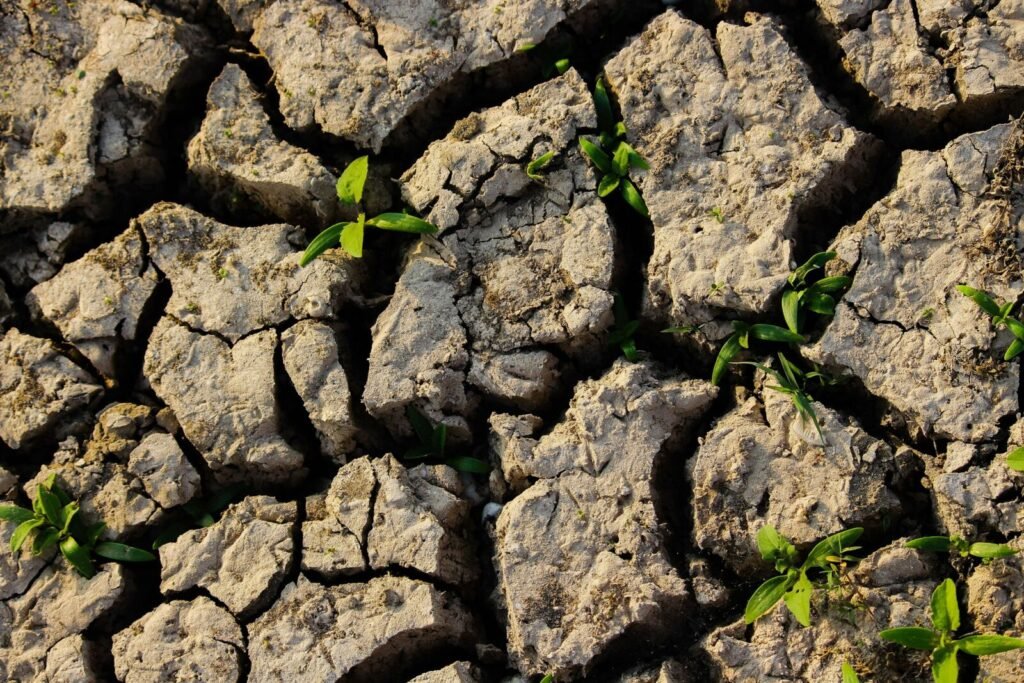
Water new plants deeply but infrequently through the first summer, then largely leave them alone. A plant in the ground for two seasons rarely needs watering at all in a normal year.
Feeding
Lavender actually performs best in lean soil. Skip regular fertiliser. Too much nitrogen produces soft, leafy growth at the expense of flowers and makes plants more prone to flopping and disease.
If you must feed a container plant, use a low nitrogen feed once in spring and nothing after that.
Pruning to Prevent Woodiness
The main long term challenge with lavender is that it turns woody and sparse at the base after a few years if left unpruned. The fix is a firm annual prune.
How to prune
- Prune right after flowering, in late summer
- Cut back about one third of the plant growth, shaping it into a rounded mound
- Always leave some green growth on every stem you cut
- Never cut back hard into old, leafless wood, because lavender rarely reshoots from bare stems
Prune every single year from the first year. An annual light prune keeps a plant compact for a decade; skipping it for three years produces a woody, splayed plant that no amount of later pruning will fix.
Winter Care
In most temperate climates, established lavender needs no winter protection. In very wet winters, good drainage matters even more than usual. Waterlogged roots in cold, wet soil is the main risk, not the cold itself.
Do not mulch lavender with bark or compost over winter. A gravel mulch keeps the crown dry; an organic one holds moisture exactly where you do not want it.
The mistake that kills lavender
Cutting back into bare, leafless wood. Lavender does not reliably produce new shoots from old wood, so a hard renovation prune usually kills the plant. Prune lightly every year instead, and replace a plant that has already gone woody.
If you keep houseplants too, our peace lily care guide covers another low fuss, forgiving plant with similarly clear watering signals.
Spacing and What to Plant Beside It
Air movement around lavender prevents most of the problems it gets, so spacing is a real decision rather than a detail. Allow 18 to 24 inches between plants for compact varieties and up to 36 inches for larger lavandins. Crowded plants hold damp air between them and develop fungal problems in humid summers.
For a hedge, plant at the closer end of that range and accept that you will need to prune annually to keep the line even.
Good companions share lavender’s requirements: full sun and dry, sharp soil. Rosemary, thyme, sage, catmint, salvia, echinacea and ornamental grasses all work. Avoid pairing it with anything that needs regular watering, because you cannot serve both in one bed.
Growing Lavender in Containers
Pots suit lavender well, and in heavy clay soil they are often the better option. Three things decide whether it works.
Use terracotta rather than plastic. Terracotta breathes and dries the root ball between waterings, which is precisely what lavender wants. Use a gritty compost, roughly two parts compost to one part sharp sand or perlite, and never use a water retaining mix. Choose a pot only slightly larger than the root ball, because a large volume of compost stays wet in the middle where roots have not reached.
Container plants need more water than those in the ground, but still far less than most potted plants. Water thoroughly, then wait until the compost is dry a couple of inches down.
Harvesting and Drying
Cut for drying when the lower flowers on the spike have just opened and the upper ones are still in bud. This is when the oil content is highest and the flowers hold their colour best.
Cut stems in the morning once dew has dried, bundle them loosely with string, and hang them upside down somewhere dark, dry and airy. Two to four weeks is usually enough. Direct sunlight bleaches the colour and drives off the scent.
Harvesting is also pruning. Cutting long stems for drying does much of the annual shaping for you, which is a rare case of two jobs in one.
Pests and Diseases
Lavender has remarkably few problems, and nearly all of them trace back to moisture.
Root rot is the main killer, caused by heavy or waterlogged soil. There is no treatment once it takes hold, so prevention through drainage is the whole strategy.
Fungal leaf spot appears in humid summers on crowded plants. Improve air flow by thinning or spacing rather than reaching for a spray.
Froghoppers leave white foam on stems in early summer. They are harmless to an established plant and can be washed off if the look bothers you.
Deer and rabbits generally leave lavender alone, which makes it genuinely useful in gardens where most things get browsed.
The Three Ways Lavender Dies
Nearly every lost lavender comes down to one of these, and two are avoidable at planting time.
- Wet feet in winter. Cold plus damp kills lavender that would survive the same cold in dry ground. Plant on a mound or in a raised bed if your soil holds water. Our guide to building a raised stone bed covers the drainage layer that makes the difference.
- A hard prune into old wood. Lavender does not reliably regrow from bare brown stems. One badly placed cut can kill an entire branch.
- Kindness. Regular watering and feeding of an established plant produces soft growth, few flowers, and a short life.
Frequently Asked Questions
Why is my lavender turning woody?
It was not pruned annually. Lavender that goes unpruned for a few seasons splays open with bare wood at the base, and it will not regrow from that wood. Prune lightly every year after flowering to prevent it.
How often should I water lavender?
Deeply but infrequently in the first summer, then rarely. Established plants in the ground usually need no watering at all in a normal year, and overwatering is the most common cause of loss.
Can I grow lavender in a pot?
Yes, and it is the best option on heavy clay. Use a free draining mix with added grit, a pot with generous drainage holes, and do not let it stand in a saucer of water.
When should I cut lavender for drying?
When the lowest flowers on the spike have just opened and the rest are still in bud. Oil content and colour retention are both at their best at that point.
How long does a lavender plant live?
Around ten to fifteen years with annual pruning. Without pruning, plants become woody and sparse within three or four years and are usually easier to replace than to rescue.
Does lavender need to be cut back in autumn?
A light tidy is fine in mild areas, but the main prune belongs straight after flowering. Hard autumn pruning leaves fresh cuts and soft growth going into winter, which is when damage happens.
Which lavender is best for a cold climate?
English lavender, Lavandula angustifolia. It is the hardiest group, and varieties such as Hidcote and Munstead handle hard winters far better than French or Spanish types.
[…] options like espalier, our Trees & Shrubs hub covers tree and shrub care more broadly, and our lavender care guide is a useful reference for a low-maintenance flowering plant that also suits an A-frame or tiered […]
[…] how wilted a plant looks. For a plant that’s especially easy to misdiagnose this way, see our lavender care guide, where drought tolerance means overwatering is by far the more common real cause of […]
[…] fighting a difficult spot or an unsuitable plant, matching choices to your real conditions (see our plant care guide) saves years of repeated failure with the same plant in the same […]