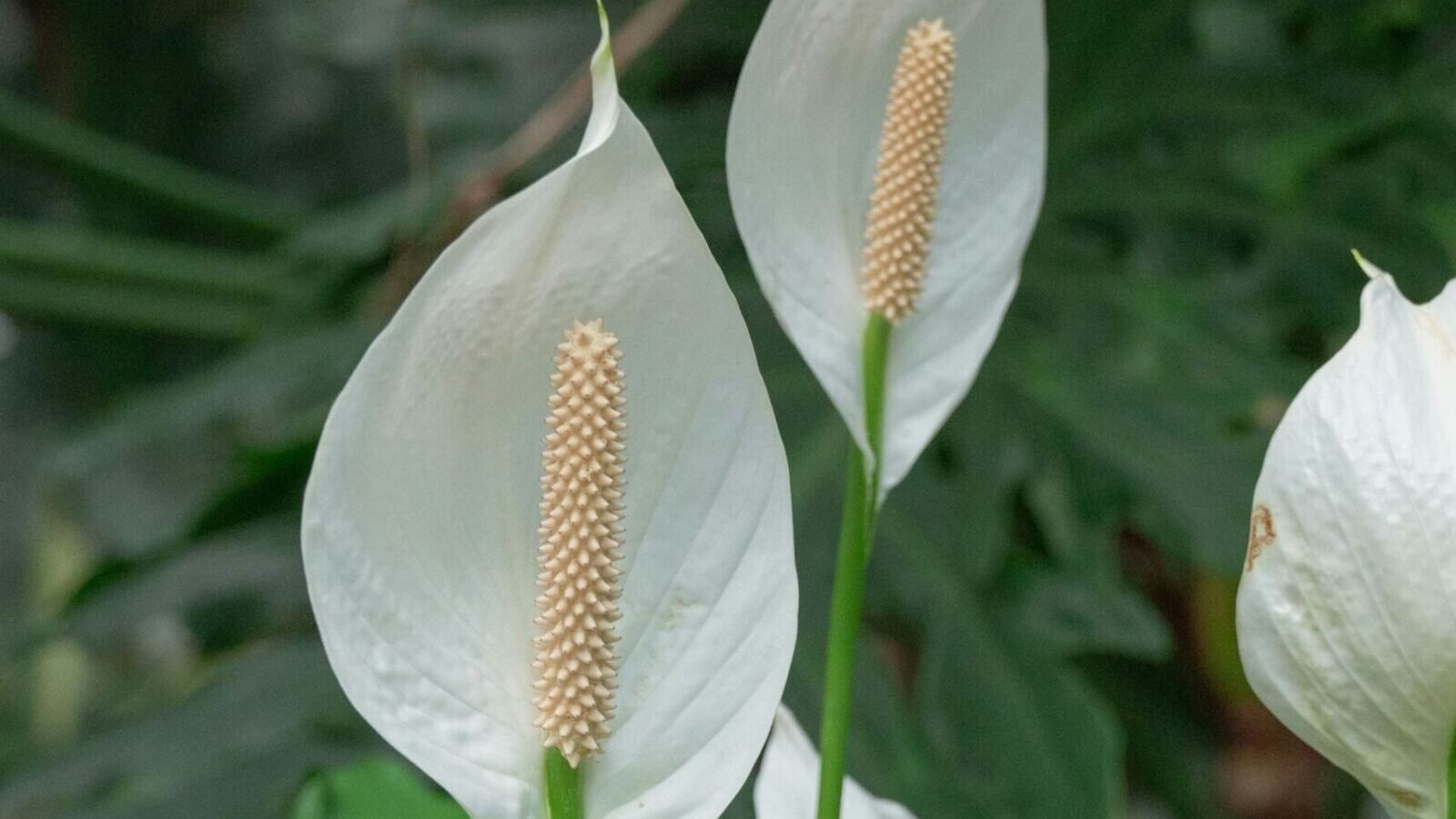
Peace Lily Care Guide: Light, Watering, and Getting White Blooms
Peace lily light and watering needs, how to read drooping leaves, a pet safety note, and how to encourage white blooms.
The short answer
Peace lilies want bright indirect light, water when the top inch of soil is dry, and they droop dramatically when thirsty then recover within hours. They only flower in decent light: a peace lily in a dark corner stays green and healthy but produces no white spathes. All parts are toxic to cats and dogs.
Peace lilies are popular precisely because they are forgiving, and because they tell you exactly what they need through dramatic leaf drooping. This guide covers light, watering, and how to encourage the white blooms the plant is named for.
Light
Medium to bright indirect
Water
When top 1 to 2 inches are dry
Pet safe
No, toxic to cats and dogs
Pet safety note: peace lilies contain calcium oxalate crystals and are toxic to cats and dogs if chewed or ingested, causing mouth irritation, drooling and vomiting. Keep them out of reach of curious pets, and contact a veterinarian if ingestion is suspected.
Light Preferences
Peace lilies thrive in medium to bright indirect light. A few feet back from an east or north facing window is ideal. Direct sun scorches the leaves, leaving brown, crispy patches, while very low light keeps the plant alive but sharply reduces blooming.
If the leaves are deep green and the plant has not bloomed in a year, low light is the most likely reason. Peace lilies survive in dim corners, which is why they get put there, but surviving and flowering are different things.
Watering and Drooping Leaf Diagnosis
The dramatic droop peace lilies are known for is actually a useful signal, not just a problem:
- Drooping with dry soil: the plant is thirsty. Water thoroughly and it typically perks back up within a few hours.
- Drooping with wet, soggy soil: this points to overwatering or root rot, not thirst. Let the soil dry out significantly before watering again, and check roots for a sour smell or mushy texture if it does not recover.
- Yellowing leaves: usually overwatering. Brown leaf tips are more often a sign of tap water minerals, low humidity or under watering.
As a general rule, water when the top inch or two of soil feels dry, rather than on a fixed schedule.
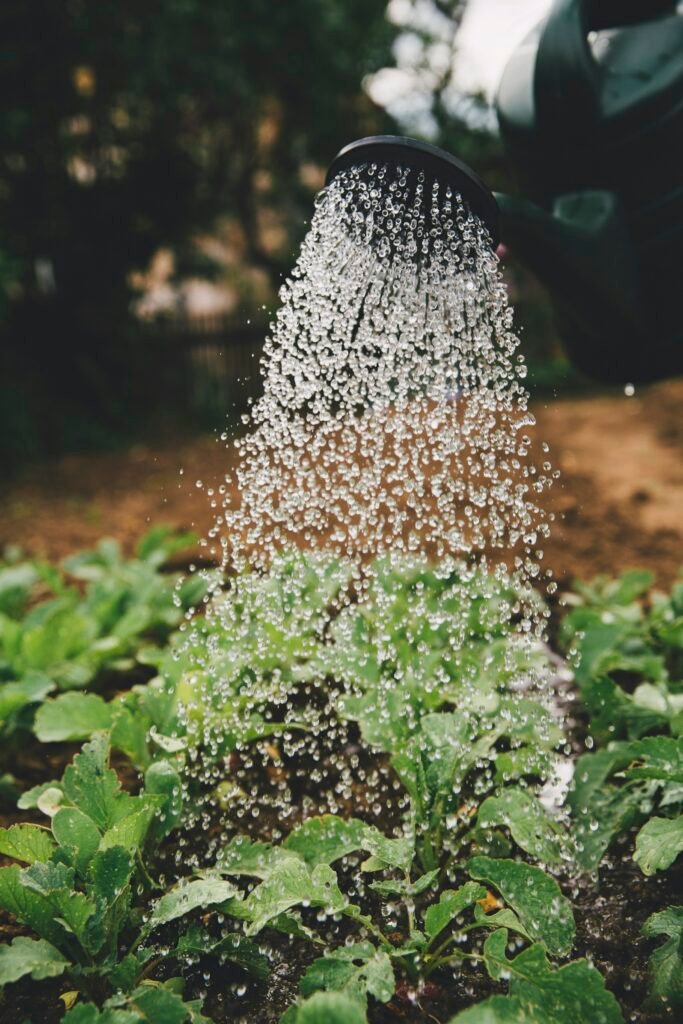
If brown tips keep appearing despite steady watering, try filtered or rainwater. Peace lilies are noticeably sensitive to the chlorine and fluoride in some tap supplies.
Encouraging White Blooms
The white flower is actually a modified leaf called a spathe, surrounding the true flower spike. To encourage blooming:
- Provide bright indirect light, since low light is the most common reason a peace lily will not bloom.
- Feed lightly with a balanced houseplant fertiliser during the growing season, spring through summer, and skip feeding in winter.
- Keep the plant slightly root bound rather than in an oversized pot, because peace lilies often bloom more reliably when snug.
Blooms fade to green and then brown as they age, which is normal. Cut the whole stalk back to the base rather than trimming the spathe alone.
Humidity and Temperature
Peace lilies come from tropical forest floors, and the two conditions people most often get wrong are the two nobody thinks to check.
They want temperatures between about 65 and 80°F and suffer below 55°F. The most common damage is not cold weather but a cold draught: a plant beside a door that opens all winter, or directly under an air conditioning vent, declines for reasons that look like a watering problem.
Humidity matters almost as much. Central heating in winter produces desert level dryness, and the symptom is brown, crisp leaf edges while the soil is perfectly moist. Grouping plants together, standing the pot on a tray of damp pebbles, or moving it to a bathroom all help. Misting looks helpful but raises humidity for only a few minutes.
Feeding and Soil
Peace lilies are light feeders and react badly to being overfed. A balanced houseplant fertiliser at half the label strength, once a month through spring and summer only, is plenty. Stop entirely in autumn and winter.
Brown leaf tips with a white crust on the soil surface usually mean fertiliser salt buildup. Flush the pot with plain water until it runs freely from the drainage holes, and skip two feeds.
For soil, a standard peat based houseplant mix with extra perlite works well. The plant wants moisture retention with drainage, not one or the other.
Repotting
Repot every two to three years, in spring, going up only one pot size. Peace lilies flower better when slightly root bound, so a pot that is too large delays blooming and holds wet soil around roots that cannot use it.
Signs it is time: roots circling the surface or escaping the drainage holes, or the plant wilting again within a day or two of watering because there is more root than soil left in the pot.
Repotting is also the moment to divide. Pull the root ball apart into clumps, each with several leaves and its own roots, and pot them separately.
Reading Brown Tips and Yellow Leaves
These two symptoms cover most peace lily complaints, and they point in different directions.
Brown, crisp tips mean dry air, fertiliser buildup, or tap water chemicals. Peace lilies are sensitive to fluoride and chlorine, so leaving water out overnight, or using filtered or rain water, often solves a persistent case.
Yellow leaves mean water at the roots. An occasional yellow lower leaf is just age. Several at once, with soil that stays wet, is overwatering, and our guide to telling overwatering from underwatering works through the difference.
Deadheading the Flowers
A white spathe lasts several weeks, then turns green and finally brown. Cut the whole stalk at its base rather than snipping the flower off, otherwise you leave a bare stem that browns and detracts from the foliage. The plant will not rebloom from a spent stalk.
Common Mistakes
- Watering on a fixed schedule instead of checking the soil, which leads to over or under watering.
- Placing in direct sun to help it bloom, which scorches leaves instead.
- Repotting into an oversized container, which often delays blooming rather than encouraging it.
- Letting it droop repeatedly as a watering cue, which stresses the plant over time even though it recovers each time.
Read the droop correctly
A drooping peace lily in dry soil is thirsty. A drooping peace lily in wet soil is drowning, and watering it again is the worst thing you can do. Always check the soil before reaching for the watering can.
For another low fuss flowering plant with similarly clear watering needs, see our lavender care guide.
Frequently Asked Questions
Why is my peace lily drooping?
Check the soil first. Dry soil means thirst and it will recover within hours of watering. Wet soil means overwatering or root rot, and it needs to dry out rather than be watered again.
Why will my peace lily not flower?
Usually not enough light. Peace lilies survive in low light but need bright indirect light to bloom. An oversized pot can also delay flowering.
Are peace lilies toxic to pets?
Yes. They contain calcium oxalate crystals that cause mouth irritation, drooling and vomiting in cats and dogs. Keep them out of reach and call a vet if ingestion is suspected.
How long does a peace lily live?
Three to five years is typical for a single plant, but because they divide so easily, a peace lily kept by dividing every few years can effectively continue indefinitely.
Can a peace lily grow in water alone?
Yes. Peace lilies grow well in water if the roots are submerged and the crown, where the leaves emerge, stays above the water line. Change the water every couple of weeks and feed occasionally with a very dilute solution.
Why are my peace lily leaf tips brown?
Dry indoor air is the usual cause, followed by fertiliser salt buildup and tap water chemicals. Raise humidity, flush the pot, and try filtered or rain water before assuming disease.
How much light does a peace lily really need to flower?
More than most people give it. They survive in low light but bloom in bright indirect light, a few feet from an east or north facing window. No flowers on an otherwise healthy plant is nearly always a light problem.
[…] it can recover from root rot. This isn’t universal, though; plants like peace lilies (see our peace lily care guide) tolerate drying out less well than drought-adapted […]
[…] droop dramatically when it needs water — a useful, visible signal rather than a drawback. See our peace lily care guide for a full breakdown of light, watering, and a pet-safety note, since peace lily is toxic to cats […]
[…] you keep houseplants too, our peace lily care guide covers another low-fuss, forgiving plant with similarly clear watering […]