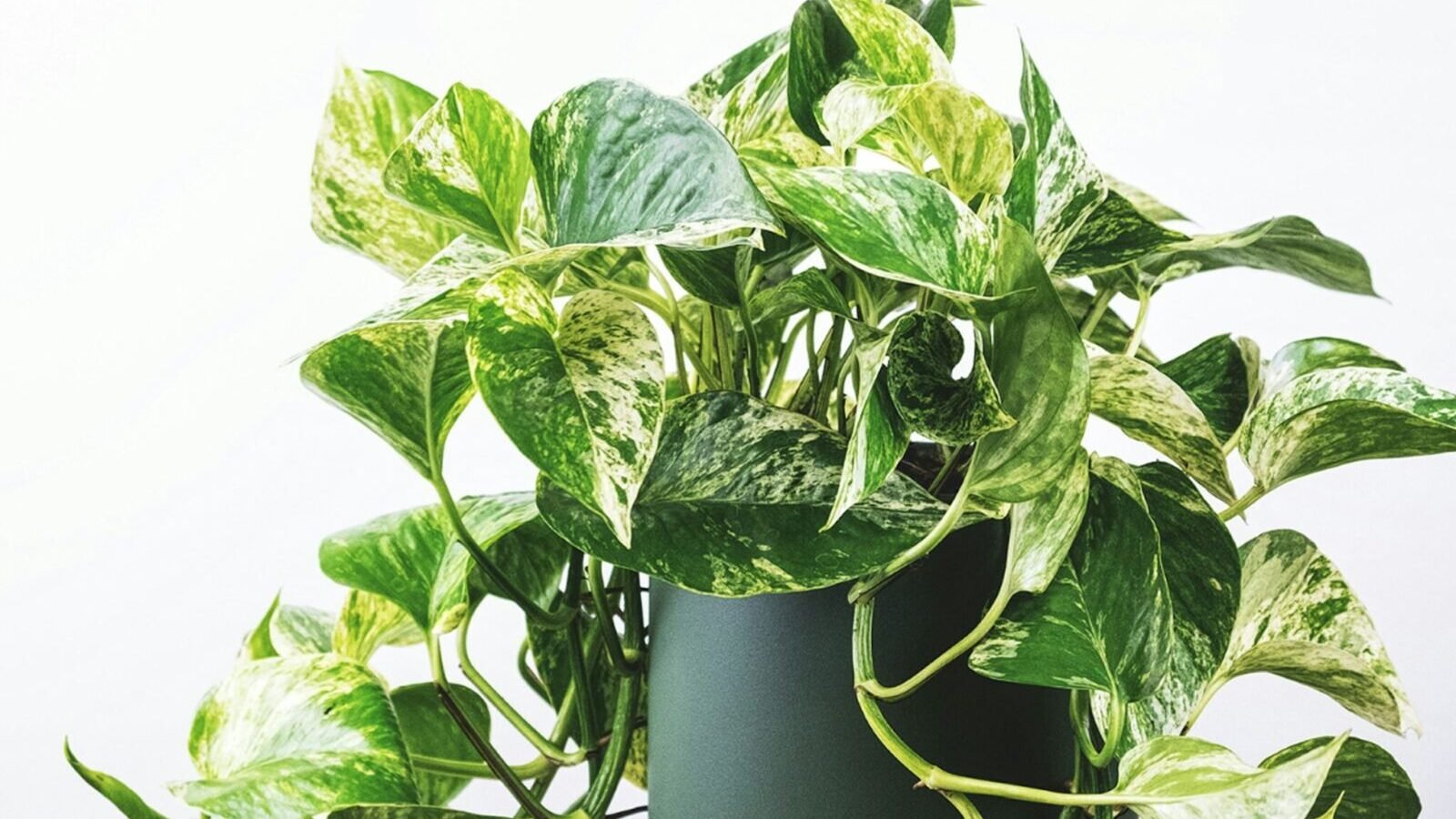
Best Low-Light Indoor Plants for Beginners
Four genuinely low-light-tolerant houseplants for beginners, compared by light tolerance, watering frequency, and what actually kills each one.
The short answer
The most reliable low light houseplants for beginners are the snake plant, ZZ plant, pothos and peace lily. All four tolerate a north facing room or a dim corner and recover from irregular watering. Snake plant and ZZ plant are the hardest to kill, pothos grows fastest, and peace lily is the only one that flowers.
“Low light” doesn’t mean no light — every plant on this list still needs some ambient daylight, just not direct sun or a bright south-facing window. These are the houseplants most likely to actually survive a dim corner, hallway, or north-facing room, and what each one needs to do more than just survive.
Quick Answer
For a genuinely low-light spot, pothos, snake plant, and ZZ plant are the three most forgiving starting points — all three tolerate infrequent watering as well as low light, which matters because low-light spots also make it easier to accidentally overwater.
Pothos
Light, water, and difficulty
- Light: tolerates low light well, grows faster in medium-bright indirect light
- Water: let the top 1–2 inches of soil dry between waterings
- Difficulty: Very easy
Pothos is one of the most forgiving houseplants available, tolerant of inconsistent watering and a wide range of light levels. It’s also one of the easiest plants to propagate from cuttings — see our pothos propagation guide if you want to expand a single plant into several for free.
Snake Plant
Light, water, and difficulty
- Light: tolerates low light very well; leaves may lose some variegation in very dim spots
- Water: allow soil to dry out fully between waterings — far less frequently than most houseplants
- Difficulty: Very easy
Snake plant is a succulent, which is exactly why it handles low light and infrequent watering so well — its thick, upright leaves store water. Overwatering, not low light, is the most common way people accidentally kill this plant.
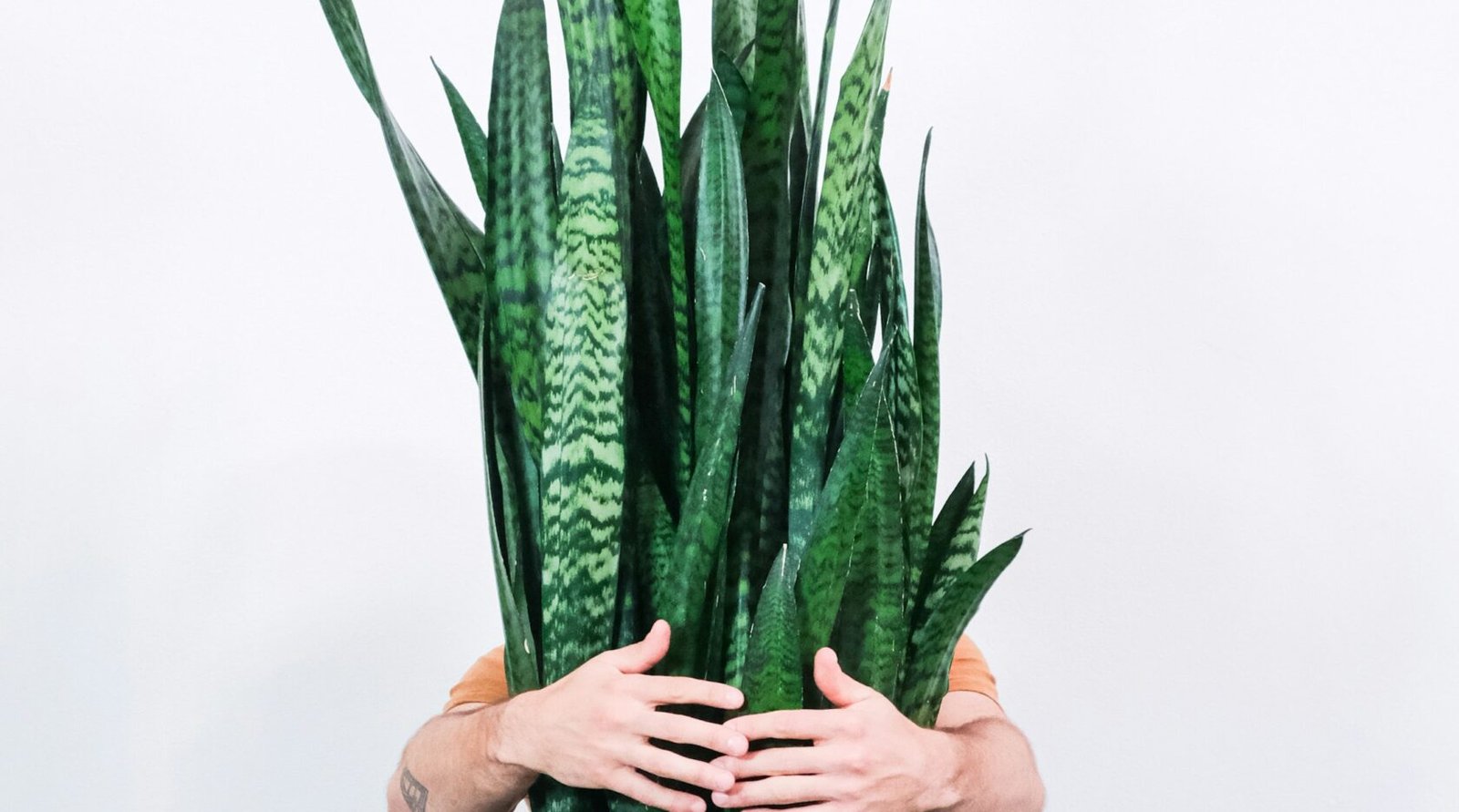
Snake plant’s stiff, upright leaves store water, which is exactly why it tolerates low light and infrequent watering.
ZZ Plant
Light, water, and difficulty
- Light: tolerates low light well; grows slowly but steadily even in dim rooms
- Water: allow soil to dry out completely between waterings, roughly every 2–3 weeks
- Difficulty: Very easy
ZZ plant stores water in a fleshy underground rhizome, which is why it tolerates both low light and long stretches between waterings. Glossy, upright leaves make it look deliberately styled even with minimal care.
Peace Lily
Light, water, and difficulty
- Light: tolerates low to medium light; needs at least some indirect light to bloom
- Water: water when the top inch of soil is dry — it droops noticeably when thirsty, which makes timing easier to read
- Difficulty: Easy, with one caution
Peace lily is more moisture-loving than the other plants on this list and will droop dramatically when it needs water — a useful, visible signal rather than a drawback. See our peace lily care guide for a full breakdown of light, watering, and a pet-safety note, since peace lily is toxic to cats and dogs if chewed.
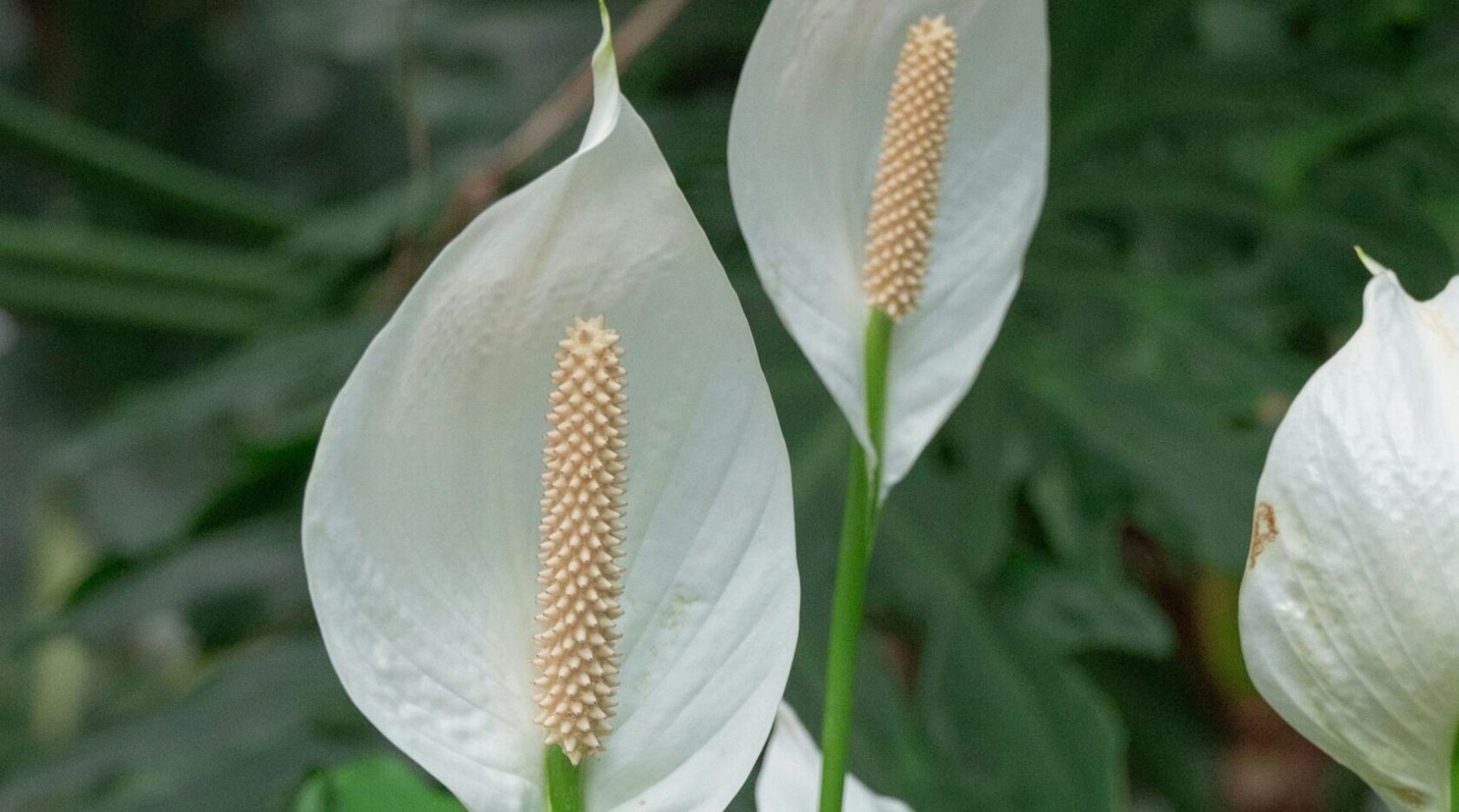
Peace lily droops visibly when it needs water — a clearer thirst signal than most low-light plants give.
Comparing All Four at a Glance
| Plant | Lowest Light Tolerated | Watering Frequency | Difficulty | Watch Out For |
|---|---|---|---|---|
| Pothos | Low | Every 1–2 weeks | Very easy | Root rot if kept too wet |
| Snake Plant | Very low | Every 2–4 weeks | Very easy | Overwatering, not underwatering |
| ZZ Plant | Very low | Every 2–3 weeks | Very easy | Slow growth is normal, not a problem |
| Peace Lily | Low to medium | Weekly, adjust to drooping | Easy | Toxic to pets if chewed |
Why Low-Light Spots Cause More Overwatering, Not Less
Plants use less water when growth slows in low light, so a watering habit that worked in a bright spot can waterlog the same plant once it’s moved somewhere dimmer. Check the soil directly rather than sticking to a schedule — see our guide to how often to water indoor plants for the full method.
Common Mistakes
- Confusing “low light” with “no light.” Every plant here still needs some ambient daylight; a windowless room isn’t the same as a low-light room.
- Keeping the same watering schedule after moving a plant into a dimmer spot, which is one of the most common causes of overwatering.
- Giving up on slow growth. ZZ plant and snake plant grow slowly in low light by nature — that’s not a sign something is wrong.
Frequently Asked Questions
Will any of these plants flower in low light?
Peace lily is the only one on this list grown partly for flowers, and it blooms far less reliably in low light than in bright indirect light. The other three are grown primarily for foliage.
Can these plants go in a windowless room under artificial light only?
Snake plant and ZZ plant are the most tolerant of artificial-light-only conditions, but even they do better with some natural light. A dedicated grow light is a more reliable solution than relying on ordinary room lighting alone.
Which of these is hardest to overwater?
Snake plant and ZZ plant are both succulent-like and store water internally, making them the most forgiving of infrequent or inconsistent watering on this list.
Final Takeaway
Start with pothos, snake plant, or ZZ plant if you’re genuinely unsure how much light a spot gets — all three fail more often from overwatering than from lack of light. Pair whichever you choose with our guide to how often to water indoor plants rather than a fixed schedule, and see our Complete Guide to Choosing and Growing Garden Plants for the broader plant-selection framework.
[…] back from a south or west window. Direct sun will scorch and bleach the delicate fronds quickly; low light will slow growth and thin out the plant. Mine does best in a spot that gets bright morning light […]