The Complete Guide to Choosing and Growing Garden Plants
How to choose plants that will actually thrive in your conditions, and a framework for keeping them alive long-term.
Table of Contents
- Matching Plants to Conditions
- Reading a Plant Label Properly
- Planting Depth Matters More Than People Think
- A Simple Framework for Ongoing Care
- Buying Plants Well
- The First Year Decides Everything
- Watering: Depth Beats Frequency
- Feeding, and When It Is Unnecessary
- Pruning Rules That Apply Almost Everywhere
- Building a Plant Palette
- New Plant Guides
- Frequently Asked Questions
The short answer
Match the plant to the spot rather than the spot to the plant. Check sun hours, drainage and hardiness zone before buying anything. Plant at the depth it grew in the pot, water deeply and less often through the first year, and space at the mature size printed on the label even when it looks sparse.
Most plant failures come down to a mismatch between the plant needs and the spot it was planted in, not bad luck. This guide covers how to choose well, and how to think about ongoing plant care.
Full sun
6+ hours direct
Part shade
3 to 6 hours
Full shade
Under 3 hours
Matching Plants to Conditions
Sun
Full sun means at least six hours of direct sun, part shade roughly three to six, and full shade less than three. Most plant failures in year one trace back to overestimating available sun.
Measure it rather than guess. Check the spot every couple of hours across one clear day and write down when it is in direct light. It is the single most useful hour you can spend before buying anything.
Soil and drainage
Plants adapted to dry, rocky origins, of which lavender is the clearest example and is covered in full in our lavender care guide, need sharp drainage and will struggle in heavy, wet clay regardless of sun exposure.
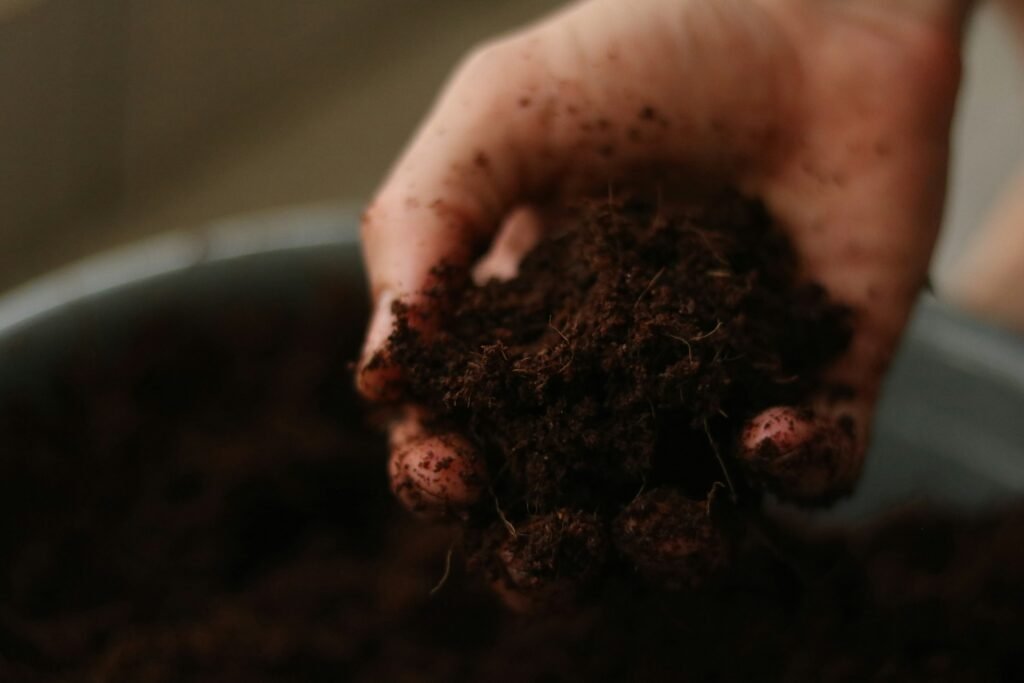
Test drainage by digging a hole about a foot deep, filling it with water and letting it drain, then filling it again. If the second fill has not drained within a few hours, treat the site as poorly drained and choose accordingly.
Climate zone
Check a plant hardiness rating against your zone typical winter low before buying anything perennial or woody. See our guide to USDA hardiness zones for how the ratings work.
Zones tell you what survives winter, which is only half the picture. Summer heat, humidity and rainfall pattern decide whether a plant thrives or merely persists.
Reading a Plant Label Properly
Mature size is the number people ignore most. A shrub labelled at six feet will reach six feet, and planting it three feet from a path guarantees you will be fighting it every year.
Check flowering time too, so you are not buying five plants that all peak in the same three weeks and leave the border blank for the rest of the season.
Planting Depth Matters More Than People Think
For trees and shrubs, the root flare where the trunk widens at the base must sit at or just above the surrounding soil level. Buried too deep, the bark stays wet and the plant declines slowly over years, which makes the cause hard to spot.
Dig holes wide rather than deep. Roots spread outward far more than down, and loosened soil around the sides is what they grow into first.
A Simple Framework for Ongoing Care
- Watering: deep and infrequent beats shallow and frequent for almost all established plants.
- Feeding: match feed to the plant, meaning lean soil for Mediterranean herbs and richer feeding for heavy flowering annuals and vegetables.
- Pruning: know whether a plant flowers on old or new wood before cutting it back, since pruning at the wrong time removes the coming season flowers.
- Mulching: two to three inches over the root zone, kept clear of stems.
Buying Plants Well
What you bring home determines much of what happens next, and the healthiest looking plant on the bench is not always the best buy.
- Check the roots, not the flowers. Slide the plant out of its pot. You want pale, firm roots reaching the edges, not a solid spiral of brown root circling the base.
- Prefer the smaller specimen. Smaller plants establish faster and usually overtake larger, more expensive ones within two or three seasons.
- Avoid plants in full flower where you can. Energy spent flowering in a pot is energy not spent making roots in your soil.
- Look underneath. Roots escaping the drainage holes mean the plant has been in that pot too long.
The First Year Decides Everything
Nearly every plant that dies does so in its first twelve months, and almost always for the same reason: the root ball dried out while the roots were still confined to the shape of the pot they came in.
Water new plants deeply and less often, aiming at the base rather than over the foliage, and keep doing it through the first full summer even when surrounding established plants clearly need nothing. The old rule for perennials holds well: first year sleep, second year creep, third year leap.
Mulch after planting, but keep it clear of the stem. Mulch piled against a trunk holds moisture where the plant least wants it and invites rot.
Watering: Depth Beats Frequency
More garden plants are killed by watering habits than by drought itself, and usually by the well intentioned version: a little, every day.
Shallow daily watering wets only the top inch of soil, so roots stay there, and the top inch is the first place to dry out. A long soak once or twice a week sends roots downward, where moisture lasts and the plant becomes far harder to kill.
Check before watering rather than watering on a schedule. Push a finger two or three inches into the soil; if it is damp at that depth, wait. Our guide to telling overwatering and underwatering apart covers reading the symptoms when they already look similar.
Water at the base, in the morning. Water on foliage overnight is how most fungal problems begin.
Feeding, and When It Is Unnecessary
Most established garden plants in reasonable soil need no fertiliser at all. Feeding is genuinely useful in three situations and largely wasted elsewhere.
- Containers, because every watering flushes nutrients out of a closed volume of compost.
- Heavy croppers such as tomatoes and repeat flowering roses, which are producing far more than a wild plant would.
- Genuinely depleted soil, confirmed by a test rather than assumed.
Overfeeding ornamentals produces soft, sappy growth that attracts aphids, flops over and flowers poorly. An annual mulch of compost does more for most beds than any bottle.
Pruning Rules That Apply Almost Everywhere
Pruning intimidates beginners more than it should. Four rules cover the majority of cases.
- Remove the three Ds first: dead, damaged and diseased growth. This is always correct, in any season, on any plant.
- Cut back to something. A bud, a side shoot or the main stem. Stubs left in mid air die back and rot.
- Time it by when the plant flowers. Plants flowering on old wood, generally spring flowerers, are pruned right after flowering. Plants flowering on new growth, generally summer flowerers, are pruned in late winter.
- When unsure, do less. You can always take more off next season. You cannot put it back.
Building a Plant Palette
Repeating three or four plants through a bed, rather than one of many different plants, tends to look more intentional and is easier to keep alive, since you are only learning the needs of a few species well. See our garden design guide for how layered planting schemes are built around a limited palette.
Buy for the site, not the shelf
The plant that looks best at the garden centre is usually the one flowering hardest that week, which tells you nothing about whether it suits your soil, light or winter. Decide what the spot needs before you go, and take the list with you.
New Plant Guides
Recently added to this category: our pothos water propagation guide, crispy lettuce in raised beds, and peace lily care guide.
Frequently Asked Questions
Why do plants that looked healthy at the store die after planting?
Transplant shock combined with a mismatch to garden conditions, meaning more sun, less water or different soil than the nursery pot. Easing plants in with regular water for the first few weeks reduces it considerably.
How do I know if my soil drains well enough?
Dig a hole a foot deep, fill it with water, let it drain, then fill it again. If the second fill is still standing after a few hours, treat the site as poorly drained.
How deep should I plant a shrub?
So the root flare at the base of the stem sits at or slightly above the surrounding soil. Planting deeper is a common cause of slow, unexplained decline.
When is the best time of year to plant?
Autumn for most trees, shrubs and perennials in temperate climates. Soil is still warm, rainfall is more reliable and the plant has months to root before it has to support leaves in summer heat. Spring is the fallback where winters are severe.
Should I add fertiliser at planting time?
Usually not. Rich fertiliser in the planting hole encourages roots to stay in the comfortable pocket you created rather than reaching into surrounding soil. Compost mixed through the wider area is more useful than feed in the hole.
How far apart should I space plants?
At the mature spread printed on the label, however sparse it looks on day one. Planting at the size the plant is today is the most common cause of a border that has to be thinned out and partly dug up three years later.
Can I move a plant that is in the wrong place?
Usually yes, if you move it while dormant, take as much root as you can, and water it through the following season as though it were newly bought. Most perennials and young shrubs transplant well; established trees rarely do.
[…] structure? See our complete guide to landscaping your yard for the right order of works, and the guide to choosing and growing garden plants for matching species to […]