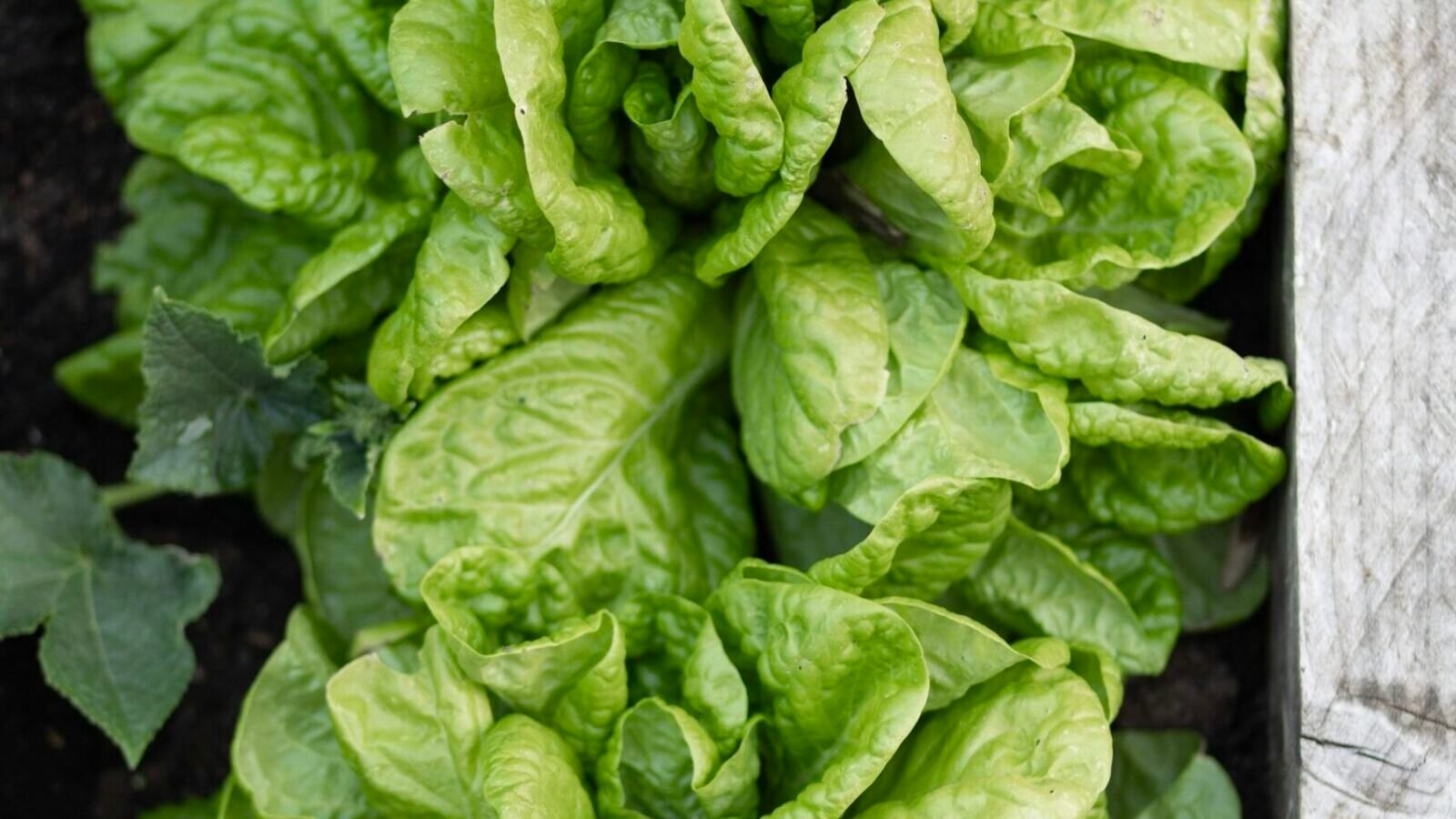
How to Grow Crispy Lettuce in Raised Beds & Containers
Seed depth, sun requirements, succession planting, and harvest timing for consistently crisp lettuce in beds or containers.
Table of Contents
- Seed Depth and Sowing
- Sun Requirements
- Succession Planting for a Continuous Harvest
- Preventing Bolting
- Raised Beds Versus Containers
- Harvesting for Maximum Crispness
- Choosing the Right Type
- Soil and Feeding
- Watering Is the Bitterness Lever
- Slugs, Snails and Aphids
- Extending the Season
- Common Mistakes
- Frequently Asked Questions
The short answer
Crisp lettuce comes down to steady moisture, cool conditions and fast growth. Sow no deeper than a quarter inch, give it four to six hours of sun with afternoon shade in summer, water consistently, and cut in the early morning. Lettuce that grows slowly or dries out turns bitter and tough, and no amount of later care reverses it.
Lettuce is one of the most forgiving crops for a raised bed or container, and crisp texture comes down to a few specific habits: consistent moisture, the right sun exposure, and harvesting before the plant bolts. Here is how to get reliably crisp heads from sowing to harvest.
Sow depth
About 1/4 inch, needs light
Succession
A new short row every 2 weeks
Harvest
Early morning, when leaves are full
Seed Depth and Sowing
Lettuce seed needs light to germinate, so sow shallow, about a quarter inch deep, or simply press seed into the surface and cover lightly. Sowing too deep is a common reason for poor germination.
Space seeds roughly 4 inches apart for loose leaf types, or up to 8 to 10 inches for head forming varieties, thinning seedlings once they have their first true leaves.
Sun Requirements
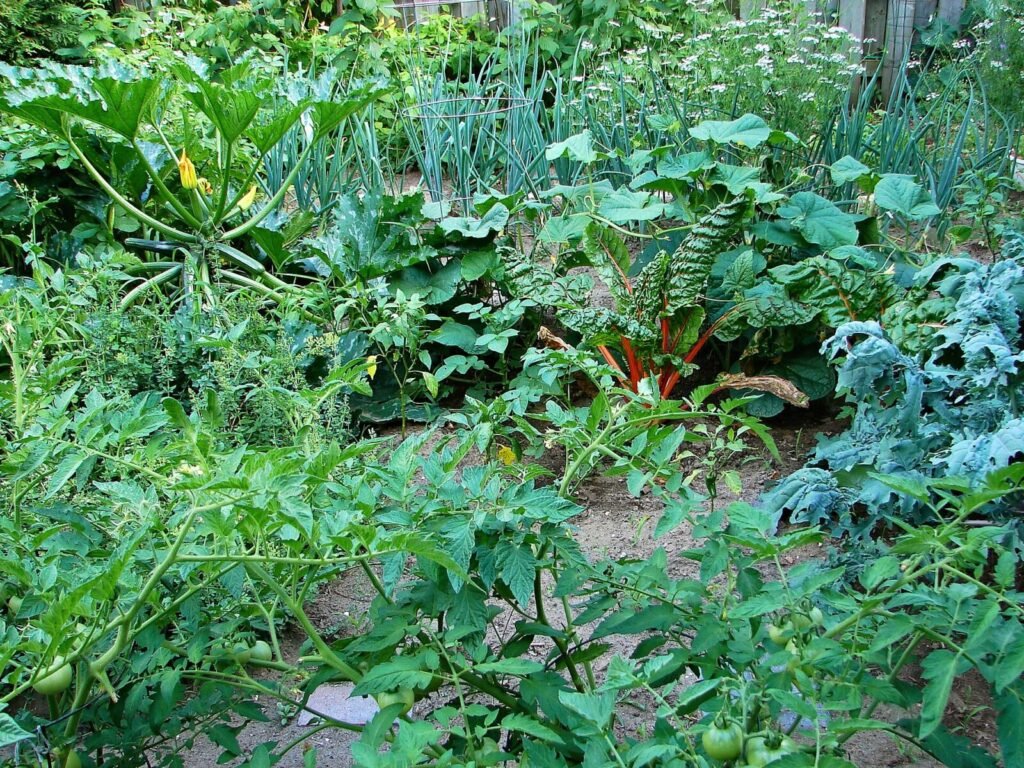
Lettuce wants a different light regime depending on the season. In cool spring or autumn weather, six or more hours of direct sun produces the crispest, most compact heads. In hot summer weather, afternoon shade helps prevent the bitterness and rapid bolting that full, hot sun triggers.
If your only bed is in full sun, a length of shade cloth over hoops from midsummer buys several extra weeks of usable harvest.
Succession Planting for a Continuous Harvest
Because each planting matures within roughly 45 to 65 days and does not hold well once mature, sow a new short row every 2 weeks rather than one large planting. This keeps a steady supply coming instead of an overwhelming glut followed by a gap.
Preventing Bolting
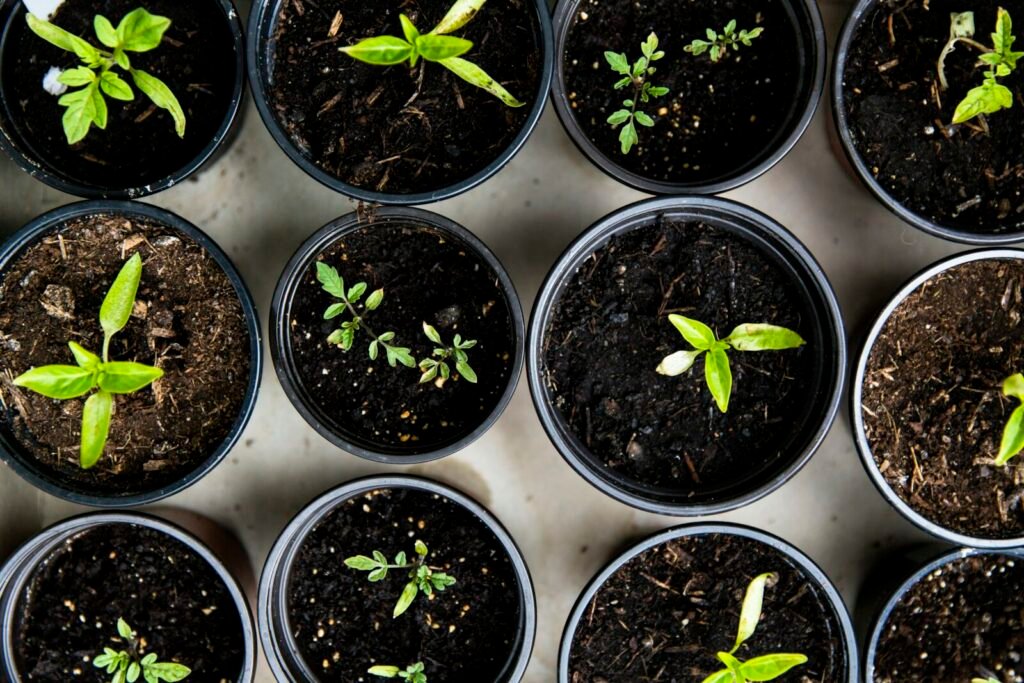
Bolting, when the plant sends up a flower stalk and turns bitter, is triggered mainly by heat and long daylight hours. To delay it:
- Choose heat tolerant or bolt resistant varieties for late spring and summer sowings.
- Keep soil consistently moist, because drought stress speeds up bolting.
- Provide afternoon shade once temperatures regularly exceed 75 to 80F.
- Harvest promptly rather than leaving mature heads standing in the bed.
Raised Beds Versus Containers
Raised beds hold moisture more evenly than containers, which is the main reason they tend to produce larger, crisper heads with less daily attention. In containers, use a pot at least 6 to 8 inches deep and check soil moisture daily in warm weather, since containers dry out much faster than beds.
Mulching between plants with a thin layer of straw or compost evens out moisture in both, and it is the cheapest fix for the drying and rewetting cycle that makes lettuce bitter.
Harvesting for Maximum Crispness
For the crispest texture, harvest in the cool of the morning rather than the heat of the afternoon, when leaves are more hydrated. For loose leaf varieties, harvest outer leaves and let the centre keep producing, which is the cut and come again approach. For head lettuce, harvest the whole head once it feels firm when gently squeezed.
Choosing the Right Type
Type decides more about your result than technique does, and the four groups behave very differently.
- Loose leaf such as Salad Bowl or Oak Leaf. Fastest, most forgiving, and the only group you can cut repeatedly from one plant. Best choice for a first attempt.
- Butterhead such as Buttercrunch. Soft, sweet, and more heat tolerant than most.
- Romaine. The crispest texture and the most upright habit, but it takes longer to mature.
- Crisphead such as Iceberg. The hardest to grow well at home. It needs a long cool season and bolts readily in heat.
For containers and small beds, loose leaf and butterhead give the most salad per square foot and the least disappointment.
Soil and Feeding
Lettuce is shallow rooted, so the top six inches are all that matter. It wants soil that holds moisture without waterlogging, which means plenty of compost worked in before sowing.
It is a leafy crop, so nitrogen drives the growth you actually want. A balanced feed at planting and a light liquid feed every two to three weeks keeps leaves coming. Skip this and growth slows, and slow growth is exactly what makes lettuce bitter.
Aim for a soil pH between about 6.0 and 7.0. If you have never checked, our guide to testing soil pH at home covers taking a sample worth testing.
Watering Is the Bitterness Lever
Bitterness in lettuce is a stress response, and the most common trigger is inconsistent water. A plant that dries out, recovers, dries out again produces the compounds that make leaves taste sharp.
Little and often is correct here, which is the opposite of the rule for most garden plants. Shallow roots cannot reach deep moisture, so the top inch or two needs to stay damp.
Mulch helps more than extra watering does. A thin layer of compost or straw around the plants keeps soil temperature and moisture steady, and steady is the whole game.
Slugs, Snails and Aphids
Three pests account for nearly all lettuce damage.
Slugs and snails do most of it, working at night and leaving ragged holes. Containers raised off the ground avoid much of the problem. In beds, a barrier of grit or wool pellets around the plants works without chemicals, and an evening check with a torch removes more than any treatment.
Aphids cluster on new growth and inside hearts. A strong jet of water dislodges most, and growing a few flowers nearby brings in the predators that finish the job.
Extending the Season
Lettuce germinates poorly above about 80°F, which is why summer sowings fail so often. Two adjustments extend the season at both ends.
In summer, sow in the late afternoon so seed spends its first hours in cooling soil, choose heat tolerant varieties, and give the bed afternoon shade. A taller crop planted to the south does this for free.
In autumn and early spring, a cloche or fleece adds several weeks at each end. Lettuce tolerates light frost better than heat, and cold weather leaves are often the sweetest of the year.
Common Mistakes
- Sowing too deep: lettuce seed needs light and shallow coverage to germinate well.
- Letting soil dry out: inconsistent watering is the top cause of bitter, limp lettuce.
- One big sowing: without succession planting, you get a short glut instead of a steady harvest.
Why lettuce turns bitter
Almost always heat plus inconsistent water. Bitterness is the plant preparing to bolt, and once that starts it does not reverse. Steady moisture and afternoon shade in summer prevent it; nothing fixes it afterwards.
If you are setting up beds, our stone garden bed guide covers building a raised bed with good drainage.
Frequently Asked Questions
Why is my lettuce bitter?
Heat and inconsistent watering, which push the plant toward bolting. Keep soil evenly moist, give afternoon shade in summer, and harvest before heads stand too long.
How deep should I sow lettuce seed?
About a quarter inch, or pressed into the surface with a light covering. The seed needs light to germinate, so deep sowing gives poor results.
How often should I sow lettuce?
A short row every two weeks. Each sowing matures in roughly 45 to 65 days and does not hold well once ready, so succession sowing is what gives a steady supply.
Can I grow lettuce in partial shade?
Yes, and in summer you should. Four to five hours of sun is enough, and afternoon shade slows bolting considerably. Our guide to vegetable gardening in the shade covers which crops tolerate less.
How do I keep lettuce crisp after picking?
Cut in the early morning while the leaves are full of water, rinse in cold water, dry thoroughly, and store in a sealed container in the fridge. Wet leaves rot, dry leaves wilt, so thorough drying matters.
Will lettuce regrow after cutting?
Loose leaf and romaine will if you cut the outer leaves and leave the growing point intact, giving three or four harvests. Crisphead types form one head and do not regrow.
How many lettuce plants do I need?
For one person eating salad a few times a week, around six to eight plants at any one time, resown every two weeks. Sowing everything at once gives you a glut then nothing.
[…] properly. For those, a ground-level trellis planter or a dedicated bed is a better fit; see our raised-bed lettuce guide for a related shallow-bed growing […]
[…] added to this category: our pothos water propagation guide, crispy lettuce in raised beds, and peace lily care […]