Companion Planting for Vegetables: What Actually Works
A grower-tested companion planting guide for vegetables: the Three Sisters method, pairings that actually help, and combinations to avoid.
The first year I planted tomatoes and basil in the same bed, it wasn’t out of any grand strategy — I just ran out of room and figured they’d both like the same sun. That accidental pairing turned out to be one of the better decisions I’ve made in the garden. The basil never seemed to slow the tomatoes down, the bed smelled incredible on a hot afternoon, and I had fewer aphid problems that year than in beds where I grew tomatoes alone. I’ve been planting the two together every year since, and it got me paying real attention to what else grows well next to what.
Companion planting is the practice of growing certain crops near each other for a mutual benefit — pest confusion, shared nutrient needs, physical support, or more efficient use of garden space. It isn’t magic, and some of the traditional pairings are more folklore than proven science, but several combinations do hold up under closer scrutiny. According to West Virginia University Extension, companion planting can help with pest management, pollination, and making the most of limited garden space, while University of Maryland Extension notes that some claimed benefits are still anecdotal rather than rigorously tested — worth keeping in mind before you redesign your whole garden around a pairing you read about once online.
The Three Sisters: The Oldest Proven Example
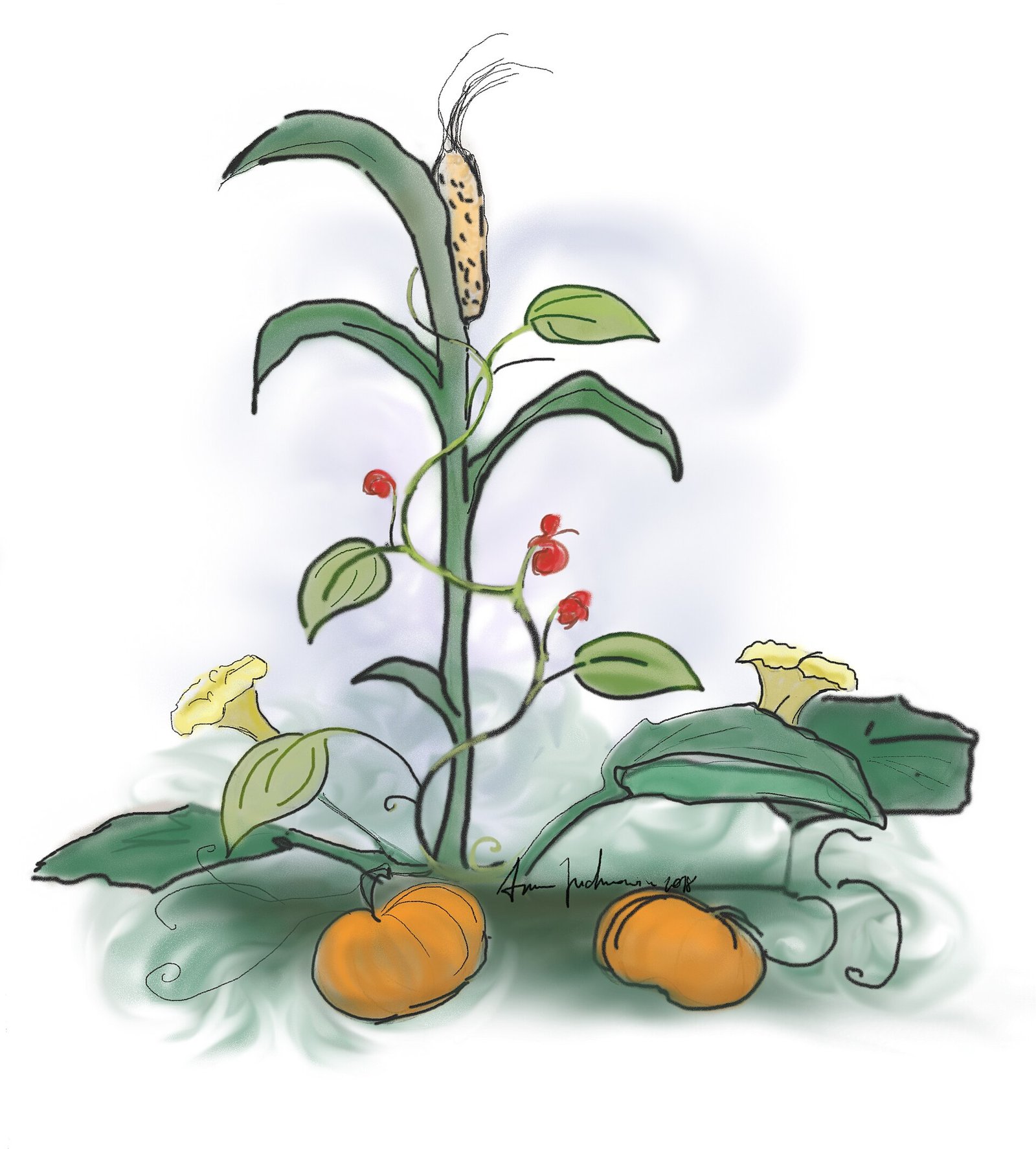
The clearest, longest-running example of companion planting is the Three Sisters method — corn, pole beans, and squash grown together, developed by Indigenous farmers across North America over centuries. The corn provides a living pole for the beans to climb; the beans, being legumes, fix nitrogen in the soil that benefits the heavy-feeding corn and squash; and the squash’s broad leaves shade the soil, suppressing weeds and holding in moisture. I tried a small Three Sisters bed a few years back and the physical support alone was worth it — no staking the corn, no trellising the beans, and far fewer weeds coming up through that dense squash canopy.
Pairings I’ve Actually Had Good Luck With
- Tomatoes and basil — the pairing that started it all for me. Basil is thought to help repel some pest insects, and at minimum it makes excellent use of the same warm, sunny bed without competing heavily for resources.
- Carrots and onions — planted in alternating rows, the strong onion scent seems to help confuse carrot rust flies, and I’ve had noticeably cleaner carrot harvests from beds planted this way compared to carrots grown alone.
- Marigolds near just about everything — marigolds are one of the few companion plants with real research behind them; certain varieties release compounds from their roots that suppress root-knot nematodes in the soil. I tuck them along the border of most vegetable beds now.
- Beans and corn — even outside a full Three Sisters planting, pole beans climbing corn stalks is a simple, reliable way to get vertical growing space for beans without building a trellis.
Pairings to Avoid
Not every combination works. Beans and onions (including garlic) tend to stunt each other when planted too close — I learned this the hard way after tucking bush beans right along a garlic row and getting a noticeably weaker bean harvest that season compared to beans grown elsewhere in the same garden. Fennel is famously unfriendly to most other vegetables and I now grow it well off to the side, on its own, away from everything else. Tomatoes and corn planted close together can attract the same pest, the corn earworm (also called the tomato fruitworm), which is one combination worth spacing apart if you have room to do so.
Planning a Companion-Planted Bed
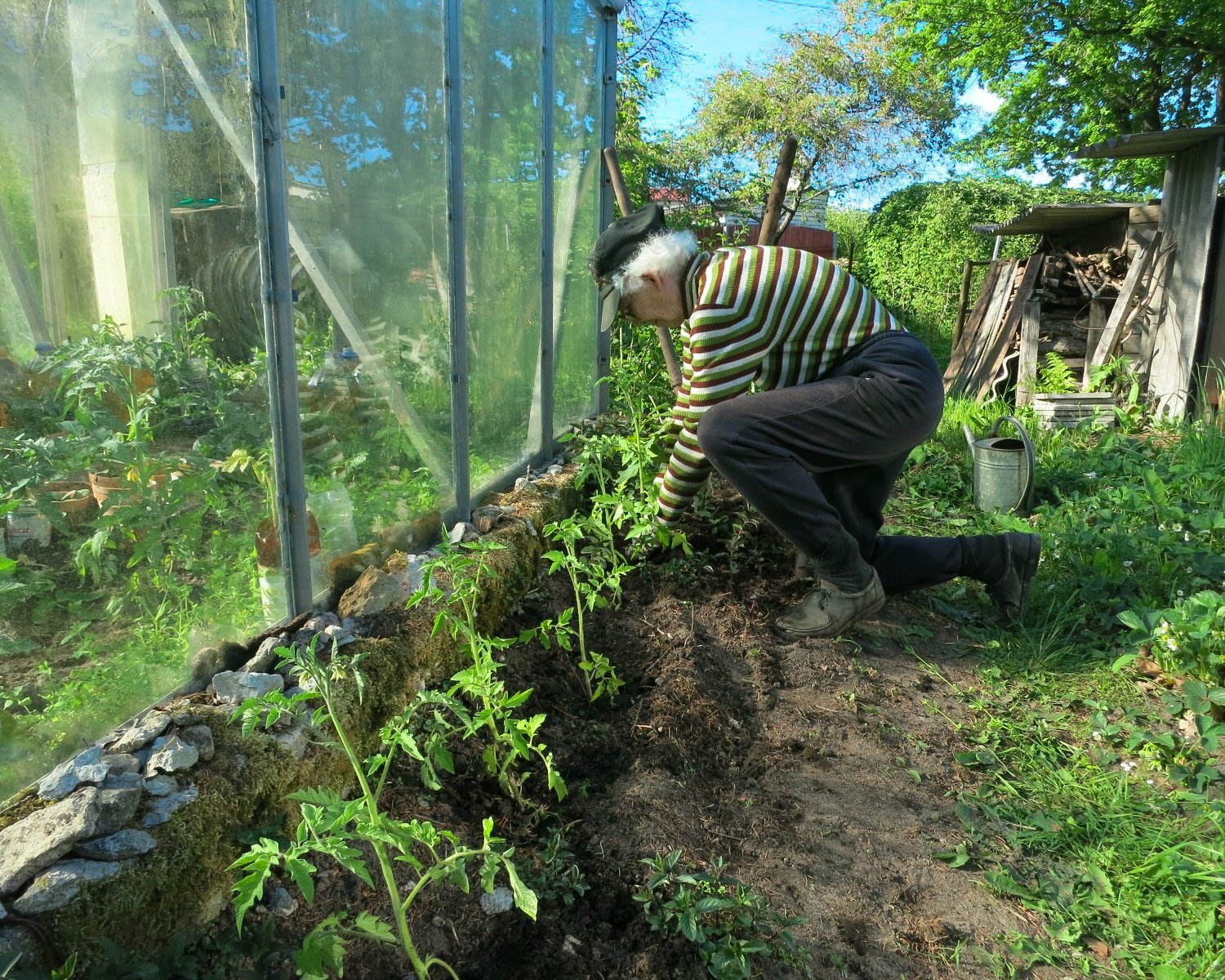
Start simple rather than trying to redesign your whole garden at once. Pick one or two pairings you’re curious about — tomatoes and basil is a genuinely easy, low-risk place to start — and pay attention over a season to what actually seems to help versus what’s just tradition without much behind it. Keep in mind that even without any pest-repelling benefit, mixing plant families in the same bed is good general practice for reducing disease buildup and making better use of vertical and horizontal space.
Frequently Asked Questions
Does companion planting actually work?
Some pairings have real evidence behind them, like marigolds suppressing certain soil nematodes and the structural benefits of the Three Sisters method. Others are more traditional wisdom than proven science, so it’s worth treating any single claimed benefit with some healthy skepticism while still enjoying the practical benefits of diverse plantings.
What vegetables should not be planted together?
Beans near onions and garlic, fennel near most other vegetables, and tomatoes right next to corn (shared pest pressure) are common combinations to avoid or at least space apart.
Is companion planting the same as crop rotation?
No — companion planting is about what grows next to what in the same season, while crop rotation is about changing what grows in a given bed from year to year to manage soil health and pests. Both are useful and work well together.
Companion planting won’t fix a bad growing season on its own, but stacking small advantages like these adds up. My accidental tomato-and-basil bed taught me that some of the best gardening lessons come from just paying attention to what happens when you try something new.