Indoor Fern Care Guide: Humidity, Light, and Watering
An indoor fern care guide focused on the real fix for crispy brown fronds: humidity, plus light, watering, soil, and dividing an overgrown fern.
The short answer
Indoor ferns need humidity above roughly 50 percent, bright indirect light, and soil that never fully dries out. Crispy brown fronds are nearly always dry air rather than underwatering. A bathroom, a pebble tray, or grouping plants together does far more than misting, which lifts humidity for only a few minutes at a time.
I used to think I just couldn’t grow ferns indoors. Bought three Boston ferns over the years, and every single one turned into a crispy brown skeleton within a couple of months no matter how often I watered it. It wasn’t until I actually paid attention to the humidity in my house in winter — sitting somewhere around 20 percent thanks to the furnace — that I understood the problem had nothing to do with watering at all. Ferns don’t fail from thirst at the roots nearly as often as they fail from dry air around the leaves.
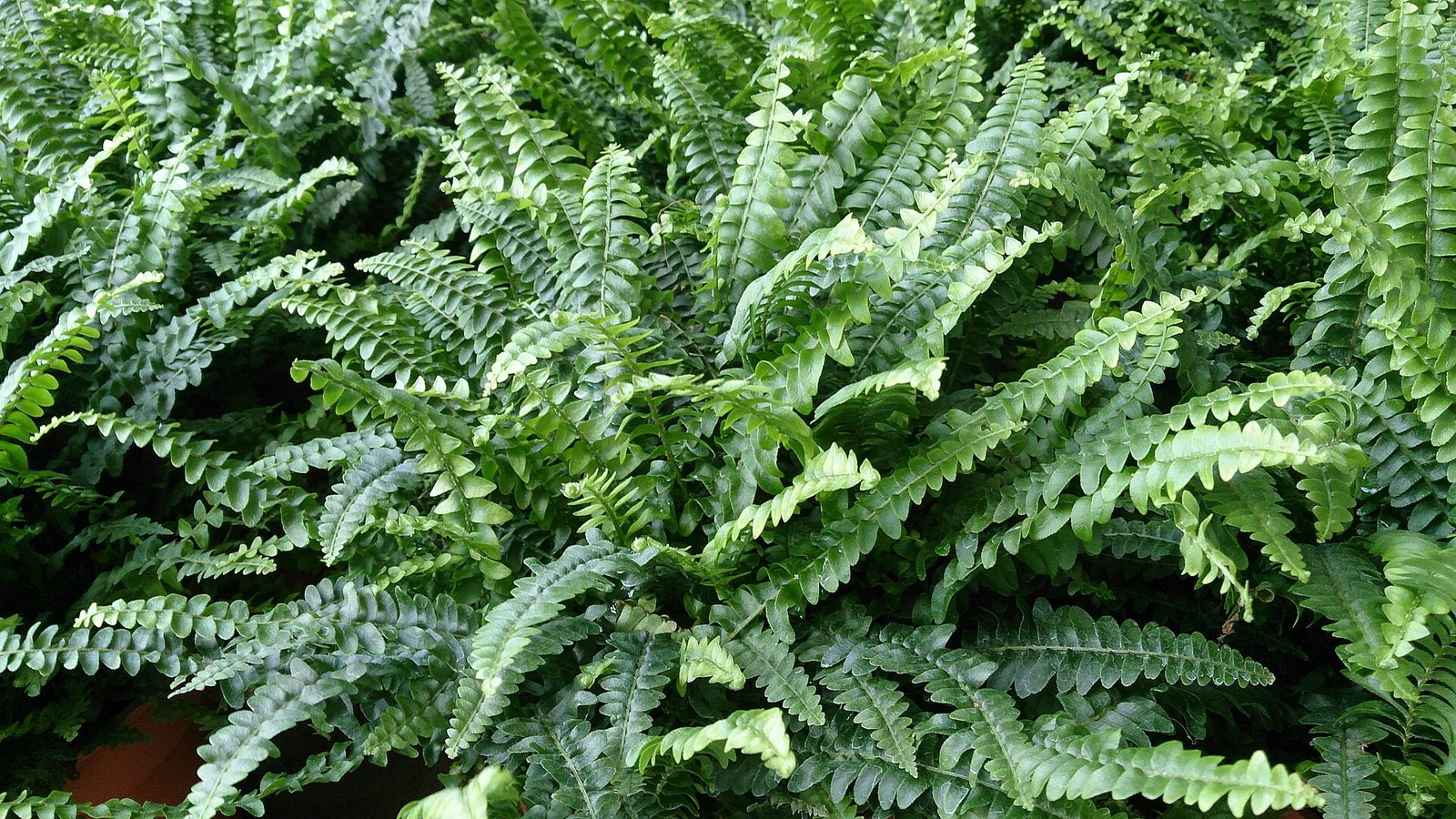
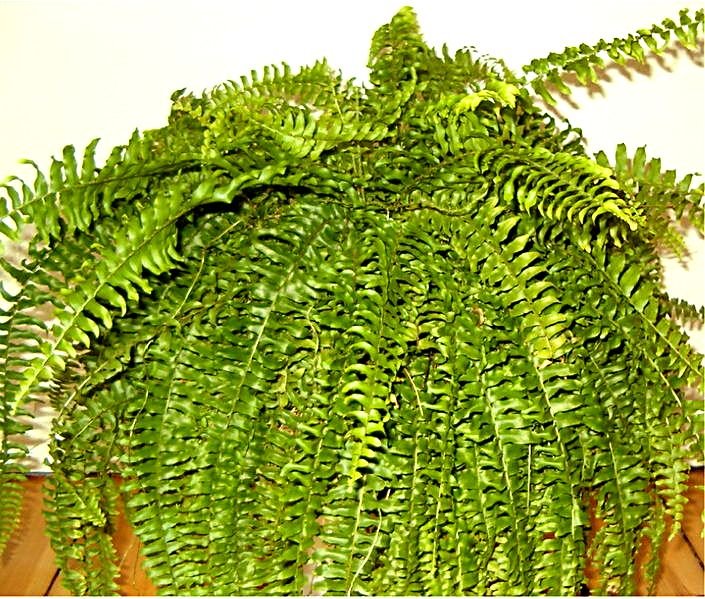
Boston fern, Nephrolepis exaltata, is one of the most commonly grown indoor ferns, valued for its full, arching, lush fronds. According to the North Carolina Extension Gardener Plant Toolbox, it prefers consistently moist soil and high humidity, conditions that mimic its native tropical and subtropical habitat — and that combination, high humidity plus consistently moist (not soggy) soil, is exactly the balance most indoor growers struggle to hit.
Humidity: The Real Key
This is the single thing that turned my fern-growing around. Most homes, especially in winter with heating running, sit well below the humidity ferns actually want. I now group my ferns together on a large pebble tray filled with water (the pot sits on the pebbles, above the waterline, so it’s not sitting in standing water) and run a small humidifier nearby in the driest months. Bathrooms with a window are also a great natural spot for ferns, since they get a humidity boost every time someone showers.
Light
Bright, indirect light is ideal — an east-facing window or a few feet back from a south or west window. Direct sun will scorch and bleach the delicate fronds quickly; low light will slow growth and thin out the plant. Mine does best in a spot that gets bright morning light and shade the rest of the day.
Watering
Keep the soil consistently moist, never fully dry and never waterlogged. I check mine every two to three days and water whenever the top of the soil starts to feel dry to the touch. Ferns have relatively shallow root systems and don’t hold up well to long dry spells the way a succulent would — but they also don’t want to sit in soggy soil, which leads to root rot just as it does for less water-loving plants.
Soil and Feeding
A rich, well-draining potting mix that holds some moisture works best — a standard potting soil with a bit of added peat or coco coir helps retain the consistent moisture ferns want. Feed monthly during spring and summer with a balanced liquid fertilizer at about half strength; skip feeding in fall and winter when growth slows.
Repotting and Division
Ferns grow fairly quickly and can become root-bound within a year or two, which shows up as water running straight through the pot without being absorbed. I repot mine in spring, moving up a size. This is also the easiest time to propagate: gently pull the root ball apart into two or more sections, each with a healthy amount of roots and fronds attached, and pot them separately. It’s a far faster method than growing new ferns from spores, which is possible but slow and fiddly by comparison.
Choosing a Fern That Suits Your Home
Not all indoor ferns are equally demanding, and matching the species to your conditions decides the outcome more than any care routine.
- Boston fern is the classic, and the thirstiest for humidity. Beautiful in a bathroom, difficult in a dry living room.
- Bird’s nest fern has broad, undivided fronds and tolerates ordinary household humidity better than most. The easiest starting point.
- Kimberly queen looks similar to a Boston fern but is noticeably more tolerant of dry air and tidier in habit.
- Maidenhair fern is the most beautiful and the least forgiving. It browns if it dries out even once. Worth attempting only somewhere reliably humid.
- Rabbit’s foot fern is tough, unusual, and tolerant, with furry surface rhizomes that give it its name.
If your home is dry and centrally heated, start with a bird’s nest or kimberly queen rather than fighting a maidenhair.
Temperature and Draughts
Ferns want 60 to 75°F and steady conditions. What damages them is rarely the average temperature but the swing.
The two worst positions in most homes are directly above a radiator, where hot dry air rises through the fronds, and beside a frequently opened door. Both produce browning that looks like a watering fault and does not respond to more water.
Air conditioning vents cause the same damage in summer. Move the plant before adjusting the routine.
Grooming and Removing Dead Fronds
Ferns constantly shed older fronds, and this is normal rather than a symptom. Cut brown fronds off at the base with clean scissors instead of pulling them, which can tear the crown.
Removing spent growth does more than tidy. It opens the centre of the plant to light and air, which reduces the fungal problems that develop in a dense, permanently damp crown.
You may see rows of brown dots on the underside of healthy fronds. These are spores, not pests or disease, and they are a sign the plant is mature and content.
Safe Around Pets
Most true ferns, including Boston, bird’s nest and maidenhair, are listed as non toxic to cats and dogs, which makes them a good choice for a household with animals.
The important exception is the asparagus fern, which is not a true fern at all and is toxic. It is sold alongside them and the name misleads constantly, so check the label rather than the shelf.
Reviving a Fern That Looks Finished
A fern that has gone brown and crisp is often not dead. The rhizome at the base survives long after the visible fronds have given up.
Cut every frond back to about an inch above the soil, soak the root ball thoroughly, then place the plant somewhere humid and bright but out of direct sun. Keep the compost damp and wait. New fronds frequently appear within three to six weeks.
Whether it worked depends on the rhizome. If it is firm, there is a plant to recover. If it is soft and dark, the fern has rotted and will not return.
Common Problems
Brown, crispy frond tips or edges almost always point to low humidity — this was my exact problem for years before I fixed it. Yellowing fronds with soggy soil underneath mean overwatering and possible root rot. Dropping large numbers of fronds at once can be a stress response to a sudden change in light, temperature, or a cold draft, which ferns are notably sensitive to; keep them away from drafty windows and doors in winter.
Frequently Asked Questions
Why do my fern’s leaves keep turning brown and crispy?
This is almost always low humidity rather than a watering problem. Group plants together, use a pebble tray, or run a humidifier nearby, especially during dry winter months.
How often should I water an indoor fern?
Keep the soil consistently moist — check every two to three days and water whenever the surface starts to feel dry. Never let it fully dry out or sit in standing water.
Can I grow a Boston fern in a bathroom?
Yes, a bathroom with a window is often ideal, since the humidity from regular showers closely matches what ferns want in their native habitat.
If your fern keeps turning into a crispy mess no matter how much you water it, check the humidity before you touch the watering can again. That was the fix that finally worked for me after three dead ferns in a row.
Is misting enough for an indoor fern?
No. Misting raises humidity around the plant for a few minutes and then it drops back. A pebble tray, grouping plants together, a humid room or a humidifier all hold the level steady, which is what actually matters.
Which fern is easiest for a beginner?
Bird’s nest fern. Its broad undivided fronds lose moisture more slowly than finely divided types, so it tolerates ordinary household air far better than a Boston or maidenhair.
Why does my fern drop leaflets everywhere?
Usually low humidity or a draught. Some shedding is natural, but constant dropping of small leaflets is the plant losing more moisture through the fronds than the roots can supply.
Can ferns live in a room with no window?
Not for long. Ferns tolerate low light but still need some daylight. A windowless room needs a grow light, or the plant should be rotated out to a bright room every couple of weeks.
1 Comment
Comments are closed.
[…] deeper shade than almost anything and give fine texture that contrasts with hosta leaves. Our fern care guide covers the humidity principle that applies outdoors […]