How to Identify and Fix Overwatering vs Underwatering
A four-step diagnostic to tell overwatering and underwatering apart: soil moisture, leaf texture, pot weight, and root color, plus how to fix each one correctly.
Overwatering and underwatering cause remarkably similar-looking symptoms — both can leave a plant wilted, with yellowing or drooping leaves — which is exactly why so many struggling plants get watered more when they actually need to dry out, or the reverse. Here’s how to tell them apart correctly before you act.
Quick Answer
Check the soil and the leaf texture together, not the leaf color alone. Soggy soil plus soft, mushy, wilting leaves means overwatering. Bone-dry soil plus crispy, curling, brown-edged leaves means underwatering. When the two checks disagree, trust the soil moisture reading over how the leaves happen to look.
Why the Symptoms Look So Similar
Wilting happens when a plant’s cells lose turgor pressure — the internal water pressure that keeps leaves rigid. That can happen two opposite ways: there genuinely isn’t enough water in the soil, or there’s too much water and it has damaged the roots so badly they can no longer take up the water sitting right there. A plant in waterlogged soil can, confusingly, be functionally thirsty because its roots are rotting.
Side-by-Side Comparison
| Check | Overwatered | Underwatered |
|---|---|---|
| Soil feel | Wet or soggy, days after last watering | Bone-dry, often pulled away from the pot’s edge |
| Leaf texture | Soft, mushy, limp like wet cloth | Crispy, curling, brittle |
| Leaf color pattern | Yellowing often starts on lower/older leaves, sometimes with soft brown patches | Browning often starts at leaf tips and edges |
| Pot weight | Noticeably heavy for its size | Noticeably light for its size |
| Smell at soil level | Sour, musty, or rotten | No unusual smell |
| Response to watering | Doesn’t perk up, may worsen | Usually perks up within hours |
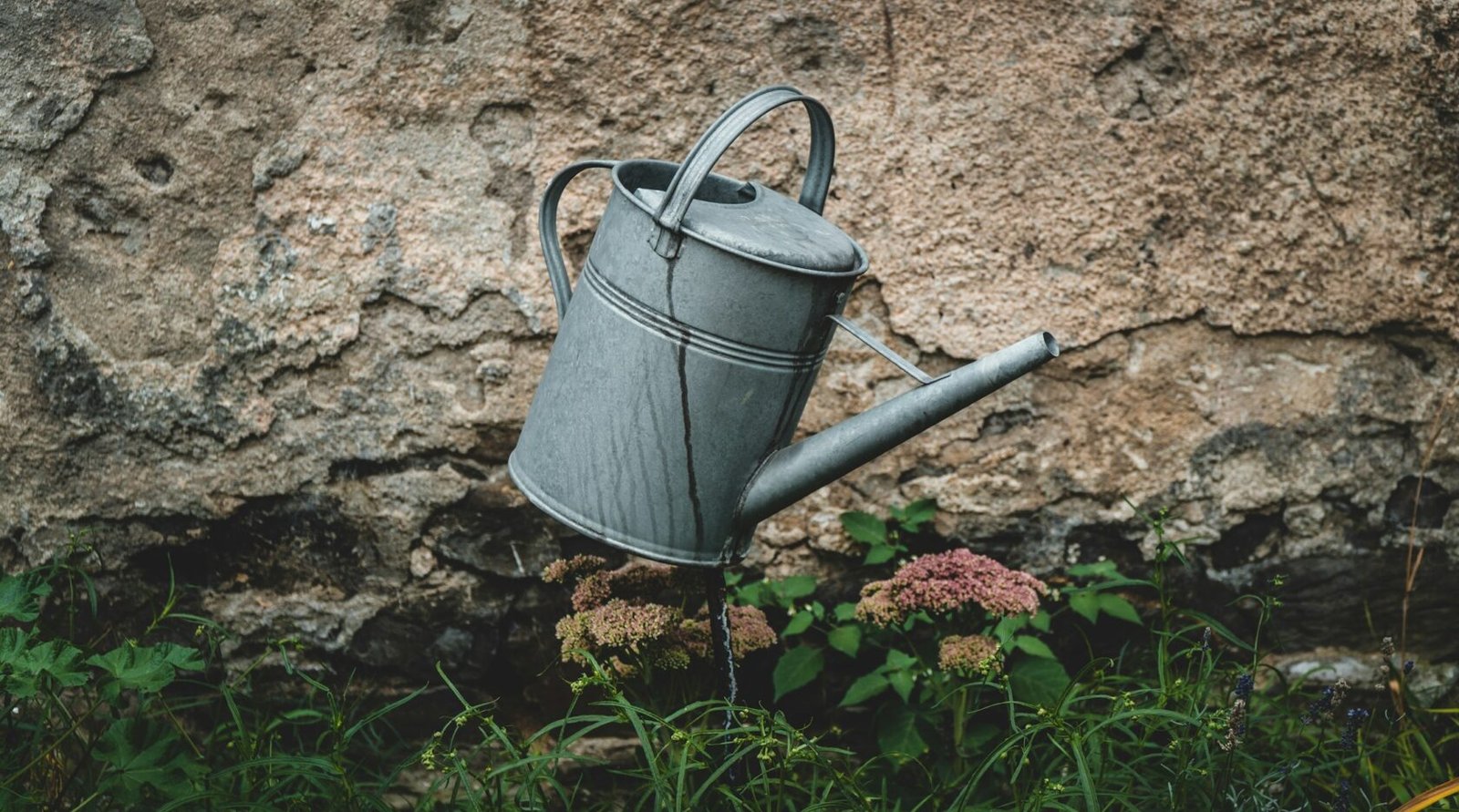
Watering onto already-wet soil — the habit that most often leads to overwatering.
The Four-Step Diagnostic
1. Check the soil, not just the surface
Push a finger 2–3 inches into the soil. Surface soil dries out and looks deceptive on its own — what matters is moisture at root depth.
2. Touch a wilting leaf
Soft and slightly yellow, almost like a wet cloth, points to overwatering. Crispy, curling, and dry to the touch points to underwatering.
3. Lift the pot
Pot weight is one of the most reliable, least ambiguous checks. A pot that feels unexpectedly heavy is holding excess water; one that feels unexpectedly light is bone-dry.
4. If still unclear, check the roots
Healthy roots are white to pale tan, firm, and odorless. Roots affected by overwatering are dark brown or black, soft or mushy when pressed, and often smell sour or rotten — this is root rot, the downstream consequence of prolonged overwatering.
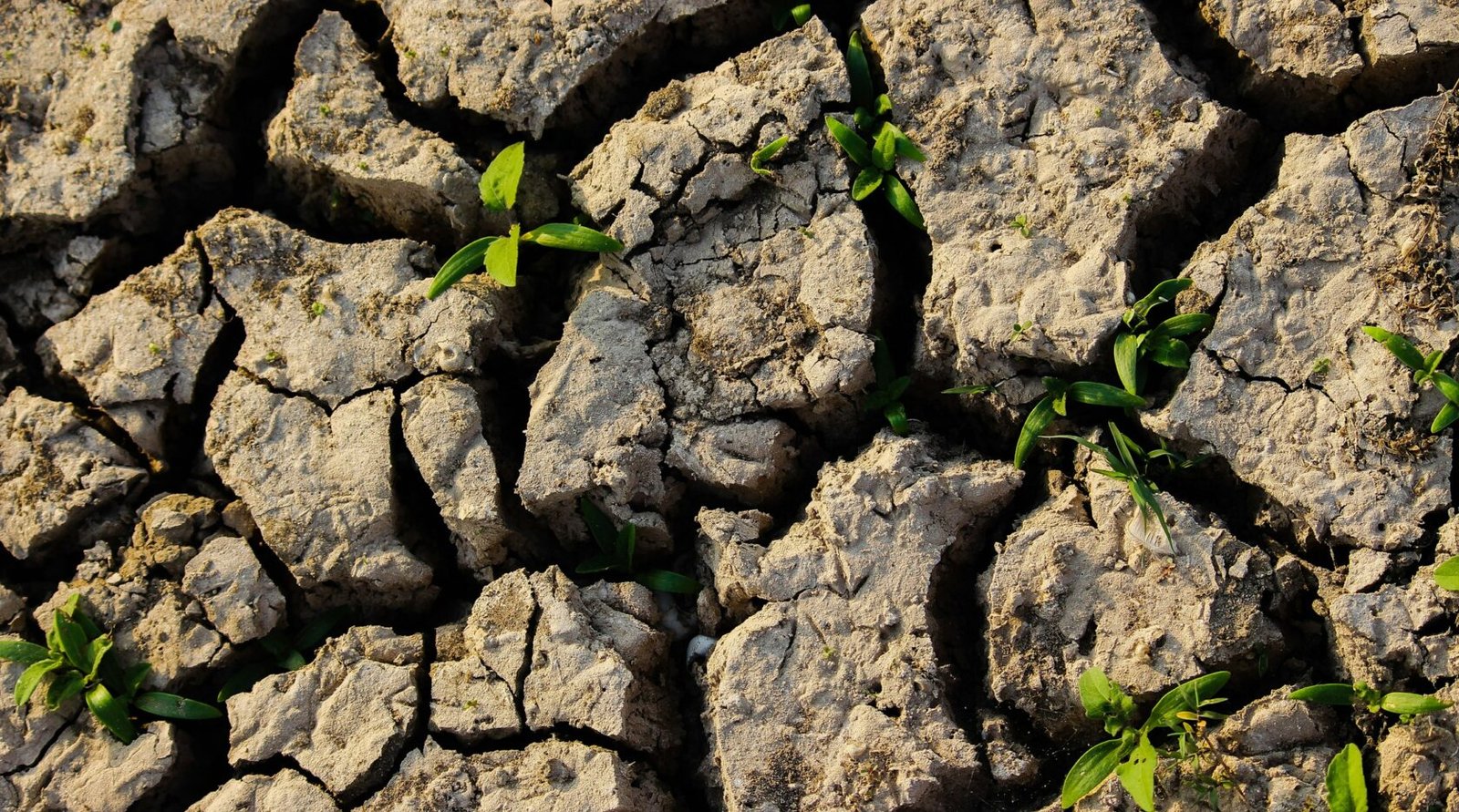
Soil pulling away and cracking at the pot’s edge — a clear underwatering sign.
How to Fix Overwatering
- Stop watering immediately and let the soil dry out significantly before the next watering.
- Check that the pot actually has drainage holes, and that no saucer is left holding standing water underneath.
- If roots smell sour or look dark and mushy, trim away the affected roots with clean scissors and repot into fresh, dry potting mix.
- Move the plant somewhere with better air circulation, which helps soil dry at a healthier pace.
How to Fix Underwatering
- Water thoroughly until it runs from the drainage holes, rather than a quick splash on the surface.
- If the soil has pulled away from the pot’s sides and water runs straight down the gap, submerge the whole pot in a basin of water until air bubbles stop rising, then let it drain fully.
- Increase watering frequency going forward, but confirm with a finger check each time rather than watering on a fixed calendar.
Common Mistakes
- Watering more because a plant looks wilted, without checking the soil first — the single most common way overwatering gets worse.
- Judging by leaf color alone. Yellowing can mean overwatering, underwatering, or a nutrient issue; texture and soil moisture are more reliable than color on its own.
- Ignoring pot weight as a diagnostic tool, even though it’s one of the fastest and most reliable checks available.
Frequently Asked Questions
Can a plant recover from root rot?
Sometimes, if caught early. Trim away all visibly rotted roots, repot into fresh dry mix, and reduce watering significantly. Severe, widespread root rot is often not recoverable.
Is it safer to underwater than overwater?
For most common houseplants, yes — a plant can usually recover from a missed watering faster than it can recover from root rot. This isn’t universal, though; plants like peace lilies (see our peace lily care guide) tolerate drying out less well than drought-adapted species.
Does this apply to outdoor garden plants too?
The same underlying logic applies, but soil dries at a very different rate outdoors depending on drainage, and mistaking overwatering for underwatering is less common in garden beds than in containers, where drainage is fully in your control.
Final Takeaway
Don’t diagnose from leaf color alone — check soil moisture at root depth, leaf texture, and pot weight together, and let those override a guess based on how wilted a plant looks. For a plant that’s especially easy to misdiagnose this way, see our lavender care guide, where drought tolerance means overwatering is by far the more common real cause of trouble.
[…] works in a bright summer window can badly overwater the same plant in a dim winter corner. See our guide to identifying overwatering vs underwatering for how to recognize when a fixed schedule has already gone […]
[…] with wet, soggy soil: this points to overwatering or root rot, not thirst. Let the soil dry out significantly before watering again, and check roots […]
[…] cause: Poor drainage or overwatering, especially in humid climates. Fix: Let the panel dry out further between waterings and check that […]
[…] is a genuinely drought-tolerant plant, and overwatering is the main way people kill it, especially indoors. My outdoor yucca gets watered by nothing but […]
[…] rather than something to worry about — mine perks back up within an hour or two of a good drink. Overwatering is the more serious risk, showing up as yellowing lower leaves and, eventually, root rot if the […]