Succulent Care Guide for Beginners: Light, Water, Propagation
A beginner-friendly succulent care guide on light, watering the right way, soil, propagation, and the mistakes that rot most succulents.
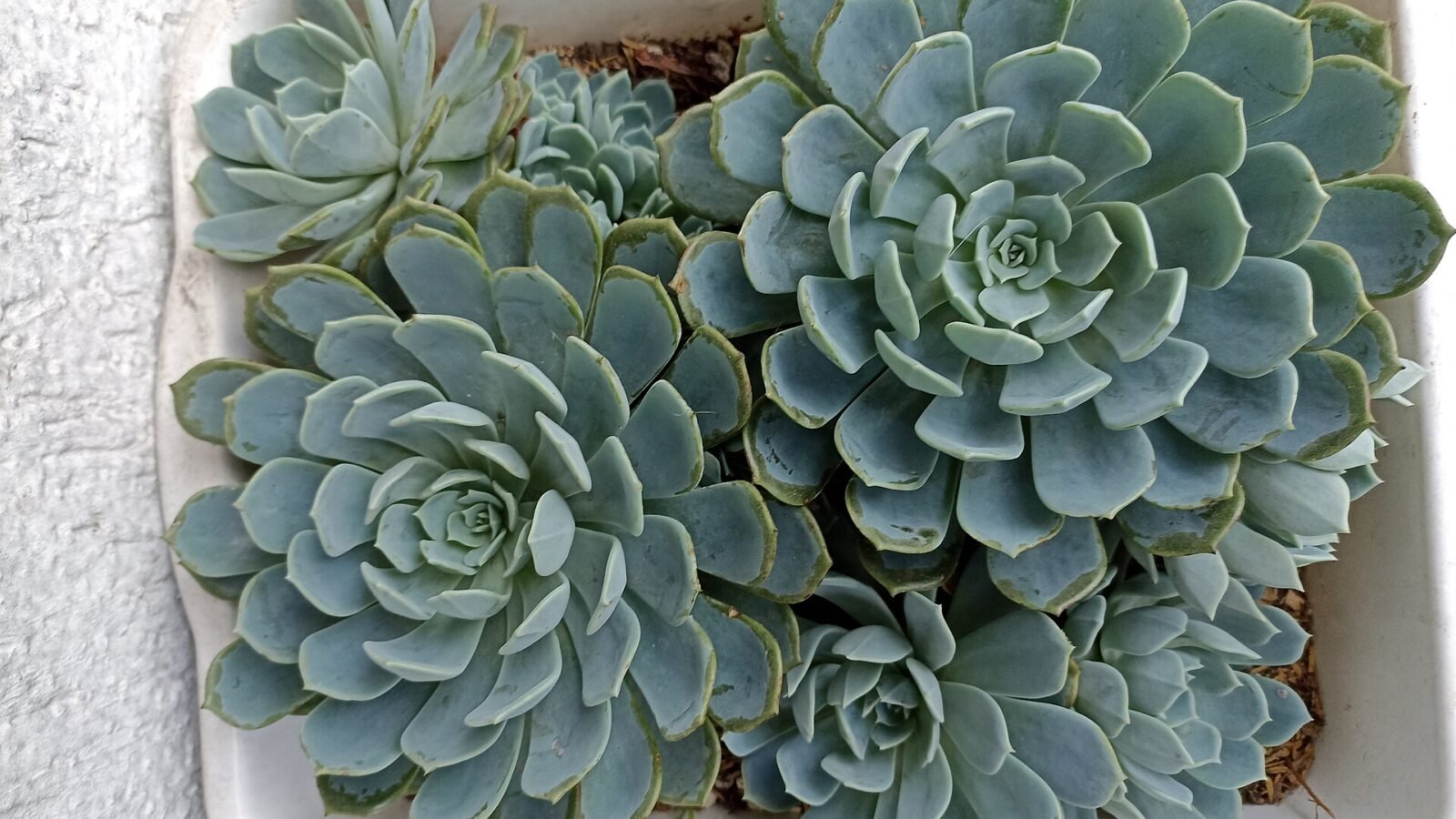
Every succulent I killed in my first two years of growing them died the exact same way: I loved them like regular houseplants and watered on a schedule. A weekly Sunday watering routine works fine for a fern. It’s a death sentence for an Echeveria. I lost probably a dozen little rosettes before I finally accepted that these plants want to be almost forgotten, and once I switched to that mindset, the survivors on my windowsill have lasted years instead of months.
Succulents are simply plants that store water in thick leaves, stems, or roots, which lets them handle drought far better than typical houseplants — but that same water-storing trait is exactly what makes overwatering so quick to rot them out. Both SDSU Extension and West Virginia University Extension both point to overwatering and insufficient light as the two most common reasons beginners lose succulents indoors, and that matches everything I’ve personally seen go wrong on my own shelves.
Light: More Than Most Windowsills Provide
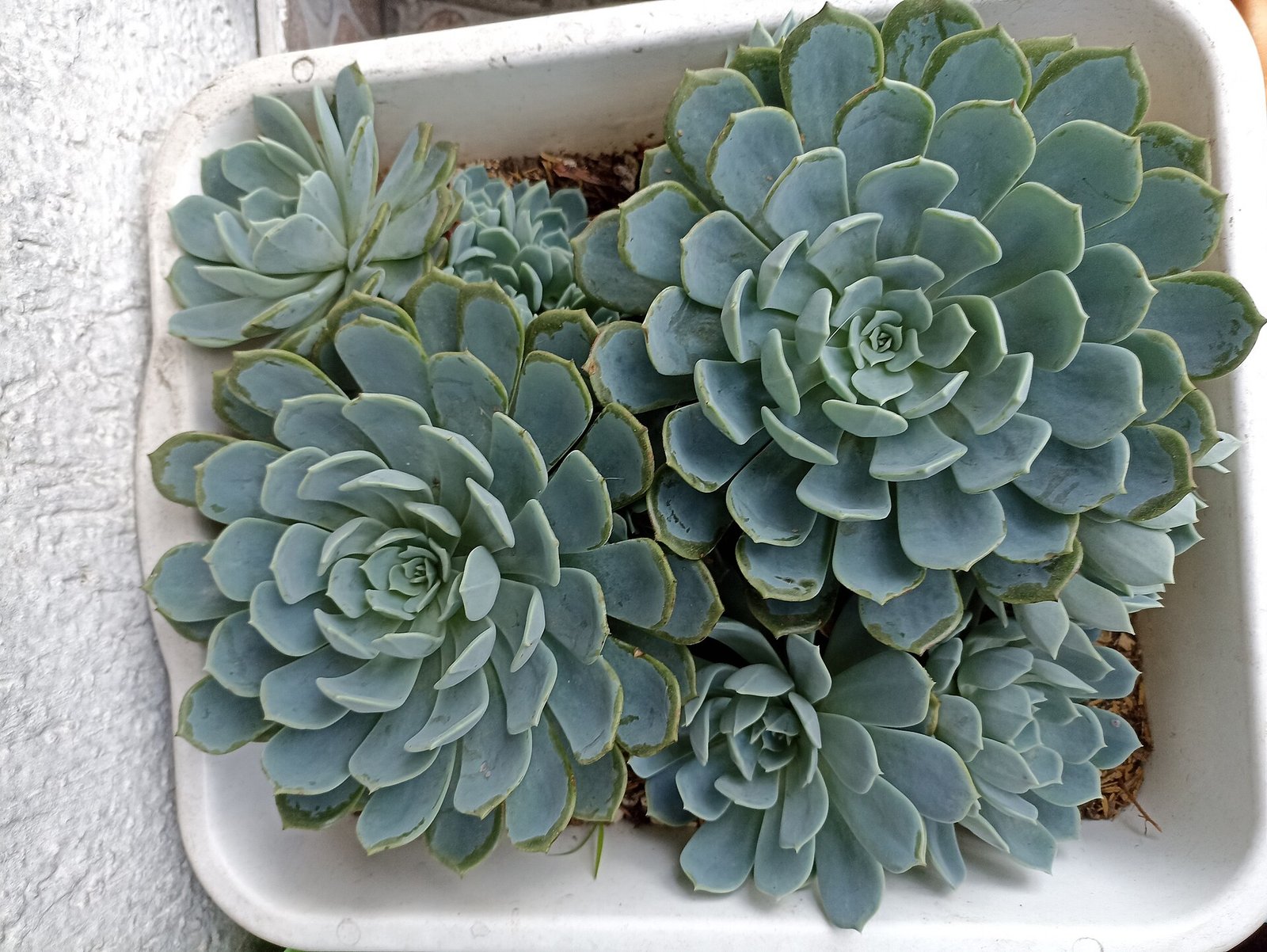
This is the mistake I see most often, and the one I made myself for years: most homes simply don’t have enough direct light for a succulent to hold its tight, compact shape. Without at least four to six hours of strong direct or very bright light, succulents stretch — a condition called etiolation — where the stem elongates and the leaves space out looking for more light. Once a succulent has stretched, it does not go back to its compact form; you either accept the new shape or cut it back and re-root the top as a new, more compact plant. A south-facing window is ideal indoors; outdoors, morning sun with some afternoon shade prevents leaf scorch in the hottest months.
Watering: Soak and Dry Completely
Water thoroughly until it runs out the drainage hole, then don’t water again until the soil is completely, bone dry — not just dry on the surface, but dry all the way through the pot. For most of my succulents in terracotta pots that’s roughly every two to three weeks in the growing season, and closer to once a month in winter. I check by lifting the pot; a fully dry pot feels noticeably lighter than a wet one, and after a while you stop needing to guess. Standing water at the base of leaves, especially on rosette types, can cause rot right at the crown, so I always water at the soil line rather than over the top of the plant.
Soil and Pots
Regular potting soil holds water far too long for succulents. Use a dedicated cactus/succulent mix, or make your own with potting soil, coarse sand, and perlite in roughly equal parts. Always use a pot with a drainage hole — I learned this one the hard way with a cute drainage-free ceramic pot that quietly rotted a jade plant’s roots from below without any obvious sign until the leaves suddenly started dropping.
Feeding
Succulents are light feeders. A cactus-formulated fertilizer diluted to half strength, applied once a month during spring and summer, is plenty. Skip fertilizing entirely in fall and winter when most succulents are semi-dormant and barely growing.
Propagation: Leaves, Offsets, and Cuttings
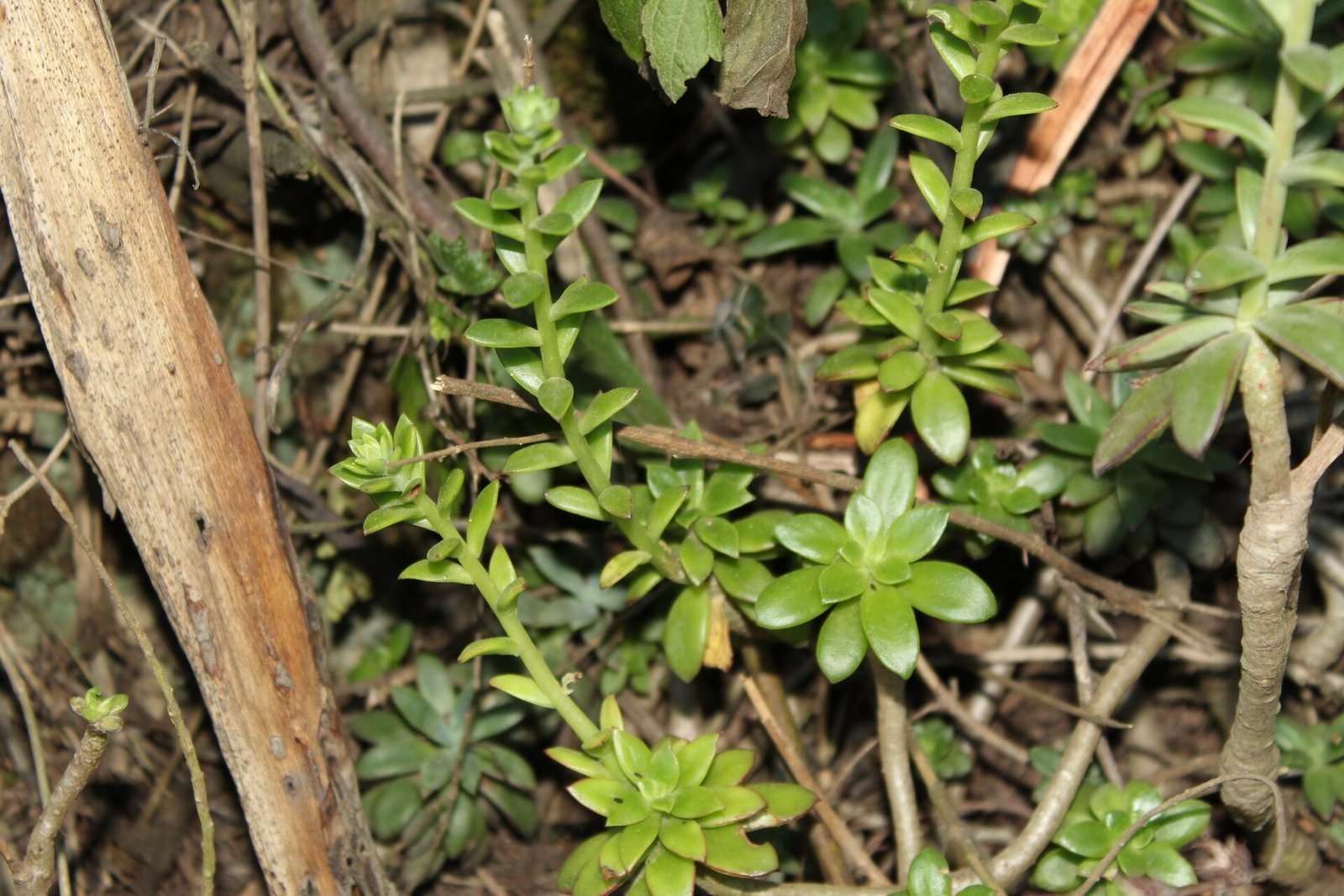
This is where succulents really shine for a beginner, because propagating them is almost foolproof once you know the trick: let every cut or detached piece callus over — sit out, exposed to air, for two to three days — before it ever touches soil. Planting a fresh, unhealed cut directly into moist soil is the single most common reason beginner propagation attempts rot instead of root.
- Leaf propagation — gently twist a healthy leaf off at its base so the whole leaf comes away clean. Let it callus, then lay it on top of dry succulent soil. Mist lightly every few days once tiny roots and a baby rosette appear at the base.
- Offsets — many succulents produce small “pups” around the base. Once a pup has its own little roots, separate it, let the cut callus, and pot it separately.
- Stem cuttings — for stretched or leggy succulents, cut the top rosette off with an inch or two of stem, let it callus, then pot it. The remaining base often sprouts new little rosettes along the cut stem.
Common Problems
Mushy, translucent, or blackened leaves mean rot from overwatering — there’s no saving those leaves, only preventing more. Stretched, leggy growth with wide gaps between leaves means insufficient light. Shriveled, wrinkled leaves that still look otherwise healthy usually mean underwatering, which is a far easier and safer mistake to make than overwatering. Mealybugs, those small white cottony pests, tend to hide in the tight leaf joints of rosette succulents; a cotton swab dipped in rubbing alcohol handles small infestations well.
Frequently Asked Questions
How do I know when to water my succulent?
Wait until the soil is completely dry, then water thoroughly. A lighter-than-usual pot, or leaves that feel slightly softer than normal, are both signs it’s time.
Can succulents grow without direct sunlight?
They’ll survive in bright indirect light, but most will stretch and lose their compact shape without several hours of strong or direct light daily.
Why did my succulent turn mushy and black?
This is root or crown rot from overwatering or poor drainage. Remove the plant from wet soil immediately, cut away any mushy tissue, let it dry out, and repot in fresh, dry succulent mix.
If you take one thing from this, let it be this: with succulents, neglect is a form of care. Every plant I’ve kept alive for years has been the one I worried about the least.
3 Comments
Comments are closed.
[…] doesn’t want to sit in soggy soil, but it also doesn’t want to fully dry out the way a succulent does. Humidity matters more than people think; mine perked up noticeably after I moved it near the […]
[…] for the vast majority of common houseplants grown in standard potting mix. Succulents and orchids are the main exceptions, since they’re grown in different mediums with different […]
[…] have relatively shallow root systems and don’t hold up well to long dry spells the way a succulent would — but they also don’t want to sit in soggy soil, which leads to root rot just as it […]