Air Plant (Tillandsia) Care Guide: Watering Without Soil
A real air plant care guide: how to properly soak Tillandsia, light needs, feeding, blooming, and how to propagate the pups.
The first air plant I ever bought came glued to a decorative magnet, no soil, no pot, nothing. I genuinely didn’t believe it was a real living plant for the first few weeks. Then I actually looked up how to care for it instead of just leaving it on the fridge, gave it a proper soak once a week, and watched it not only survive but eventually throw out a spike of bright pink and purple blooms. Air plants look like a novelty gift, but they’re real plants with real needs — they just don’t need what people assume they need.
Tillandsia is a genus of epiphytic plants, meaning in the wild they grow attached to trees and rocks rather than rooted in soil, absorbing water and nutrients through specialized scales on their leaves called trichomes. Because of this, they genuinely don’t need — and shouldn’t be planted in — soil at all. Extension resources covering these plants, including coverage from University of Minnesota Extension, note that air plants need bright indirect light and regular water despite having no soil to hold moisture — the two things people get wrong most often being not enough light and not enough water, precisely because there’s no soil to serve as a visual reminder that they’re thirsty.
Light
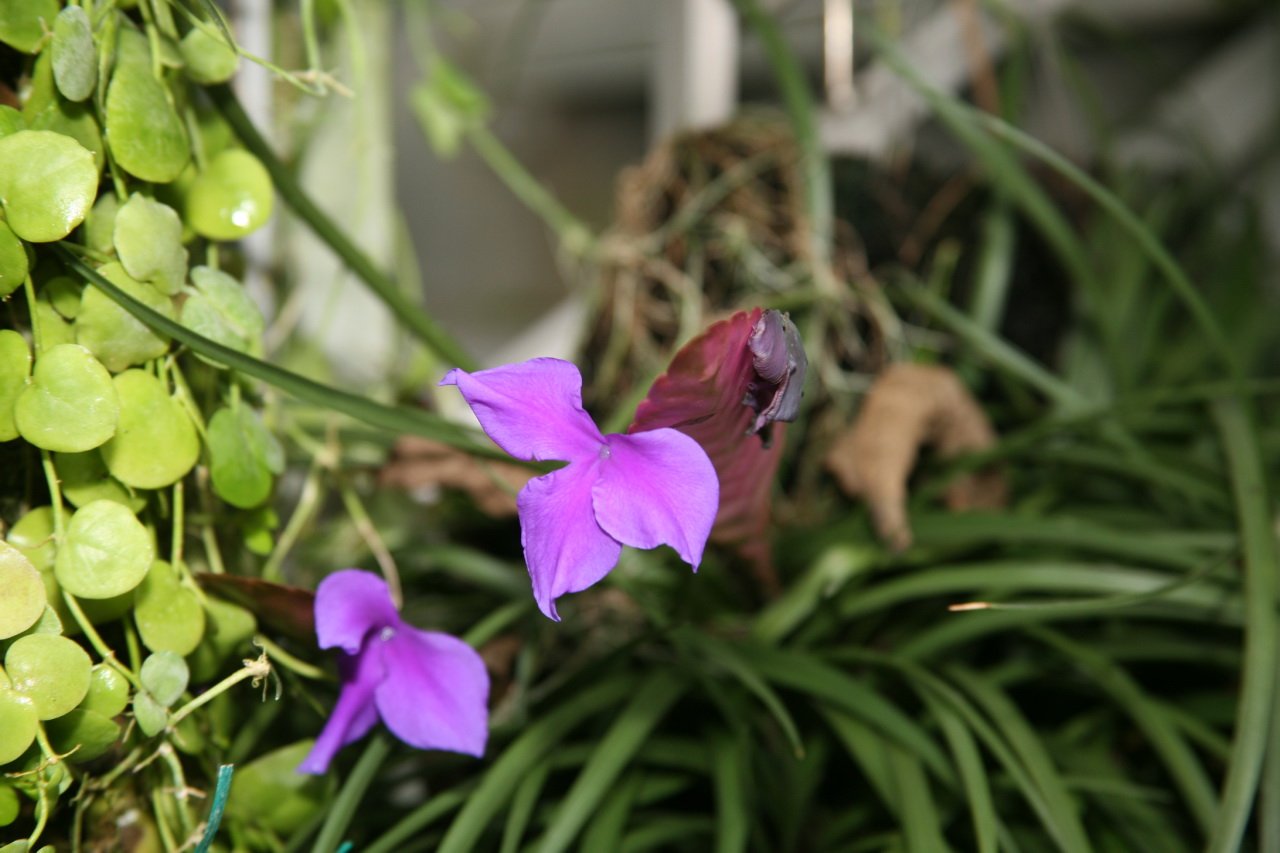
Bright, indirect light is what these plants actually want — an east-facing window works well, or a few feet back from a south or west window. Direct hot sun through unfiltered glass can scorch the leaves, but too little light will slow growth and dull the color. Mine sits on an open shelf near an east window and has done well there for years.
Watering: The Part Everyone Gets Wrong
This is the single biggest misconception with air plants — people assume misting alone is enough because there’s no soil, but a light mist rarely provides enough water. What actually works is a full soak: submerge the plant completely in room-temperature water for twenty to thirty minutes, once a week. After soaking, shake off excess water and set it upside down on a towel for an hour or two so water doesn’t pool in the base of the leaves, which can cause rot. In hotter, drier conditions I soak mine twice a week; in a cooler, more humid spot once a week is plenty.
Feeding
Air plants don’t need much fertilizer, but an occasional boost helps flowering and pup production. I mix a very dilute, air-plant-specific or bromeliad fertilizer into the soak water about once a month during the growing season — never at full strength, since these plants absorb nutrients directly through their leaves and are easily burned by concentrated fertilizer.
Temperature and Placement
Most Tillandsia species prefer temperatures similar to typical room conditions, roughly 50 to 90°F, and do not tolerate frost. Good airflow matters more than people expect — a plant that stays damp in a stagnant, closed terrarium is at real risk of rot, which is why I always let mine dry fully after soaking rather than tucking it straight back into an enclosed glass container.
Blooming and Propagation
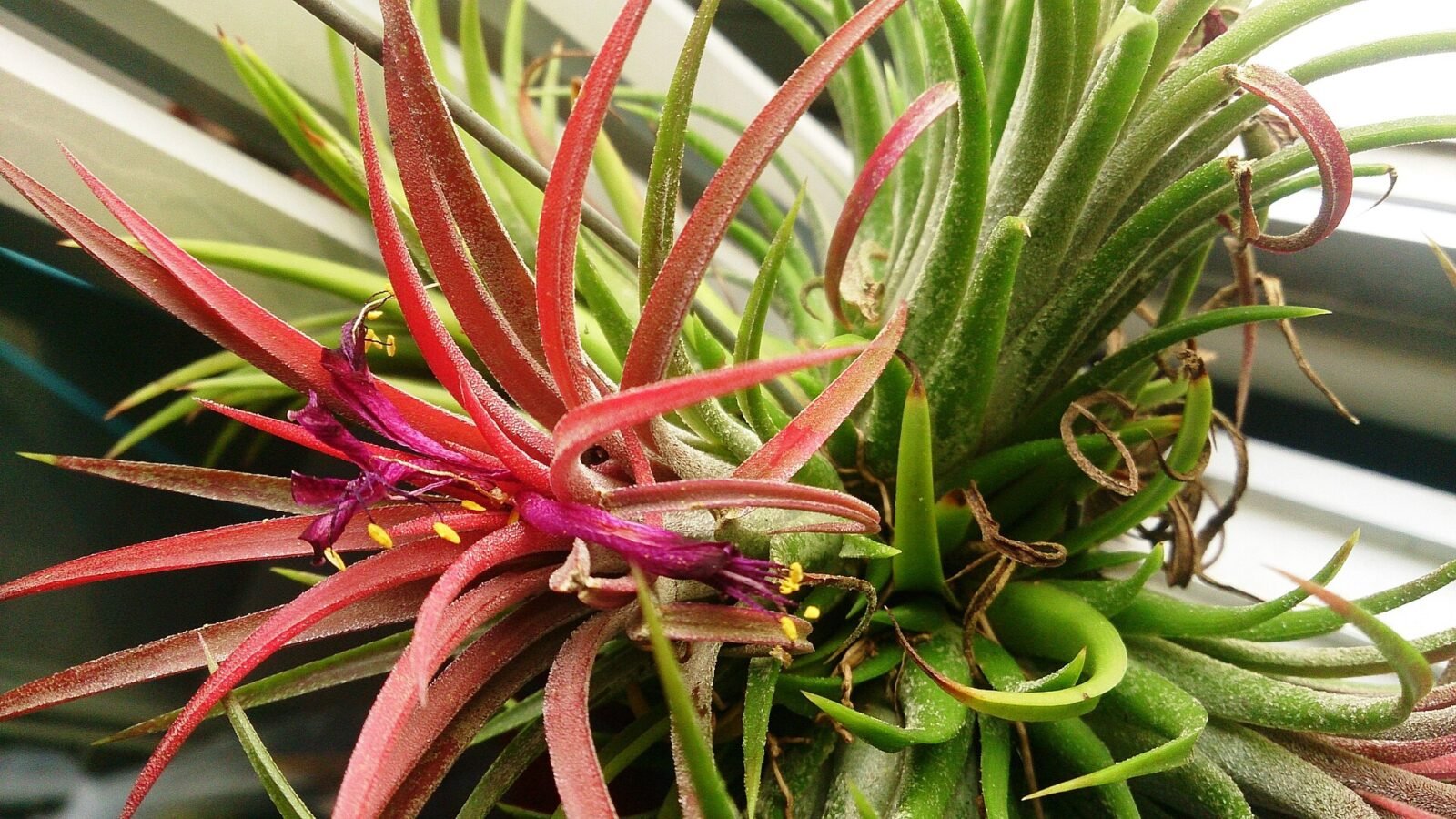
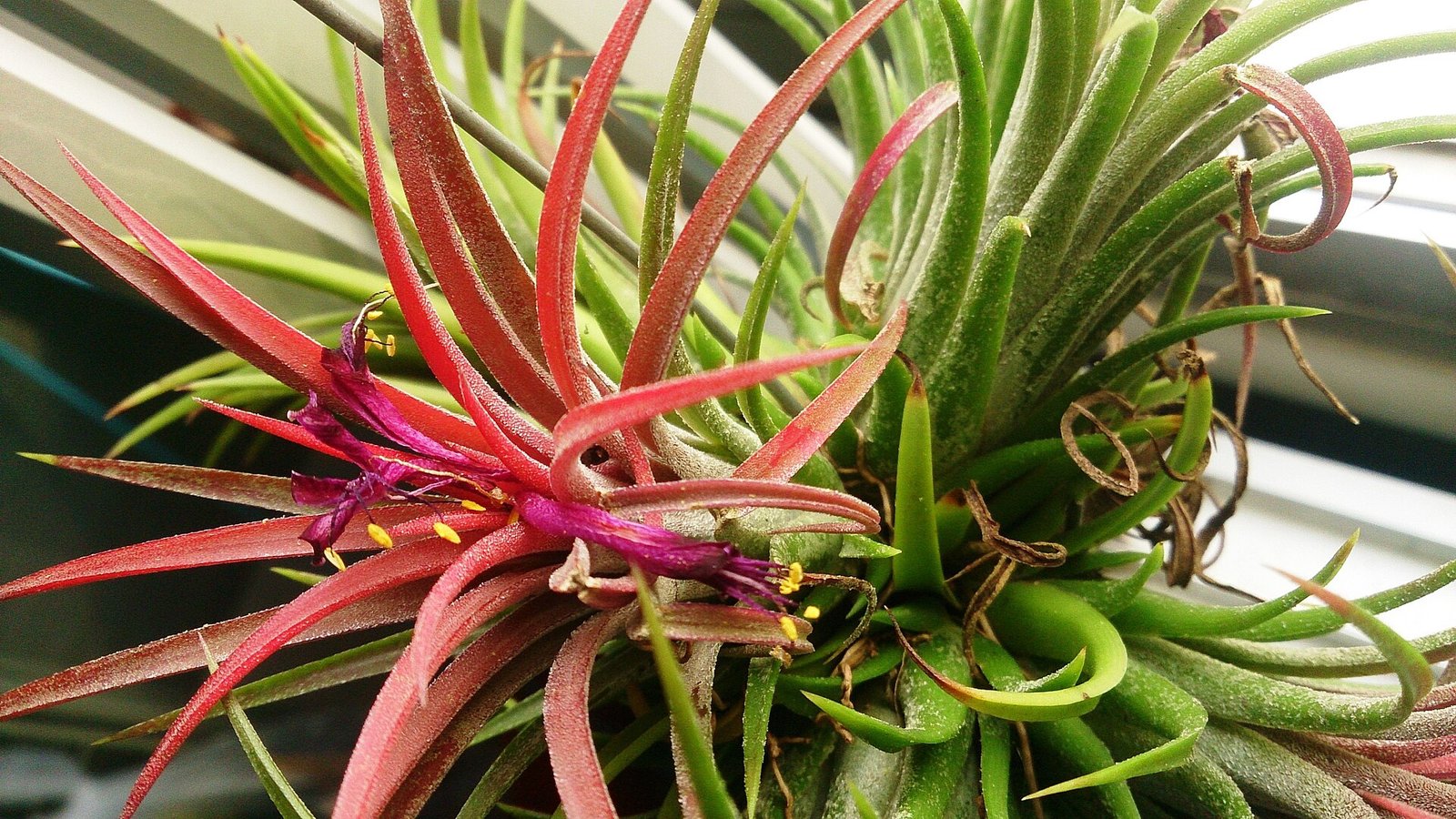
Many Tillandsia species blush a brighter color, often red or pink, right before blooming — that color change is the plant’s way of announcing it’s about to flower, and it’s one of my favorite things to watch happen. After blooming, the mother plant will eventually produce offsets, called “pups,” around its base, then slowly decline over the following months or years as its energy goes into the pups. Once a pup is roughly a third to half the size of the parent, you can gently separate it and grow it independently, though leaving pups attached to form a growing cluster looks great too and is what I generally do.
Common Problems
A plant that’s going brown and crispy from the base upward, or feels lightweight and dry, is underwatered — increase soak frequency. A plant with a mushy, dark, or foul-smelling base is overwatered or wasn’t dried properly after soaking, which leads to rot; there’s usually no saving a badly rotted air plant, so prevention through proper drying is the real fix. Curling leaf tips can indicate the plant needs more humidity or more frequent watering.
Frequently Asked Questions
How often should I water an air plant?
Soak it fully in water for twenty to thirty minutes once a week, then shake off excess water and let it dry upside down for a couple of hours before returning it to its display spot.
Can air plants grow without soil forever?
Yes — they’re epiphytes and never need soil at any point in their life cycle. Planting one in soil can actually cause rot.
Why is my air plant turning red or pink?
Many species blush a bright color right before blooming, which is a good sign rather than a problem. Enjoy the color change; a flower spike often follows soon after.
If you’ve got one of these sitting neglected on a shelf somewhere, give it a real soak this week. It’s probably thirstier than it looks, and it’s a lot more alive than that fridge magnet made it seem to me all those years ago.