Monstera Deliciosa Care Guide: Light, Water, and Fenestration
A real-world Monstera deliciosa care guide on light, watering, humidity, and the moss-pole trick that finally gets those famous split leaves.
The first Monstera I ever bought was a sad little four-inch pot from a grocery store checkout line, no fenestrations, just two plain heart-shaped leaves. I figured it would stay that way. Eight years later that same plant has climbed a moss pole to the ceiling of my sunroom and every new leaf comes out with those big dramatic splits everyone wants. What changed wasn’t luck — it was finally giving it something to climb and stopping the habit of moving it around the house every time I redecorated.
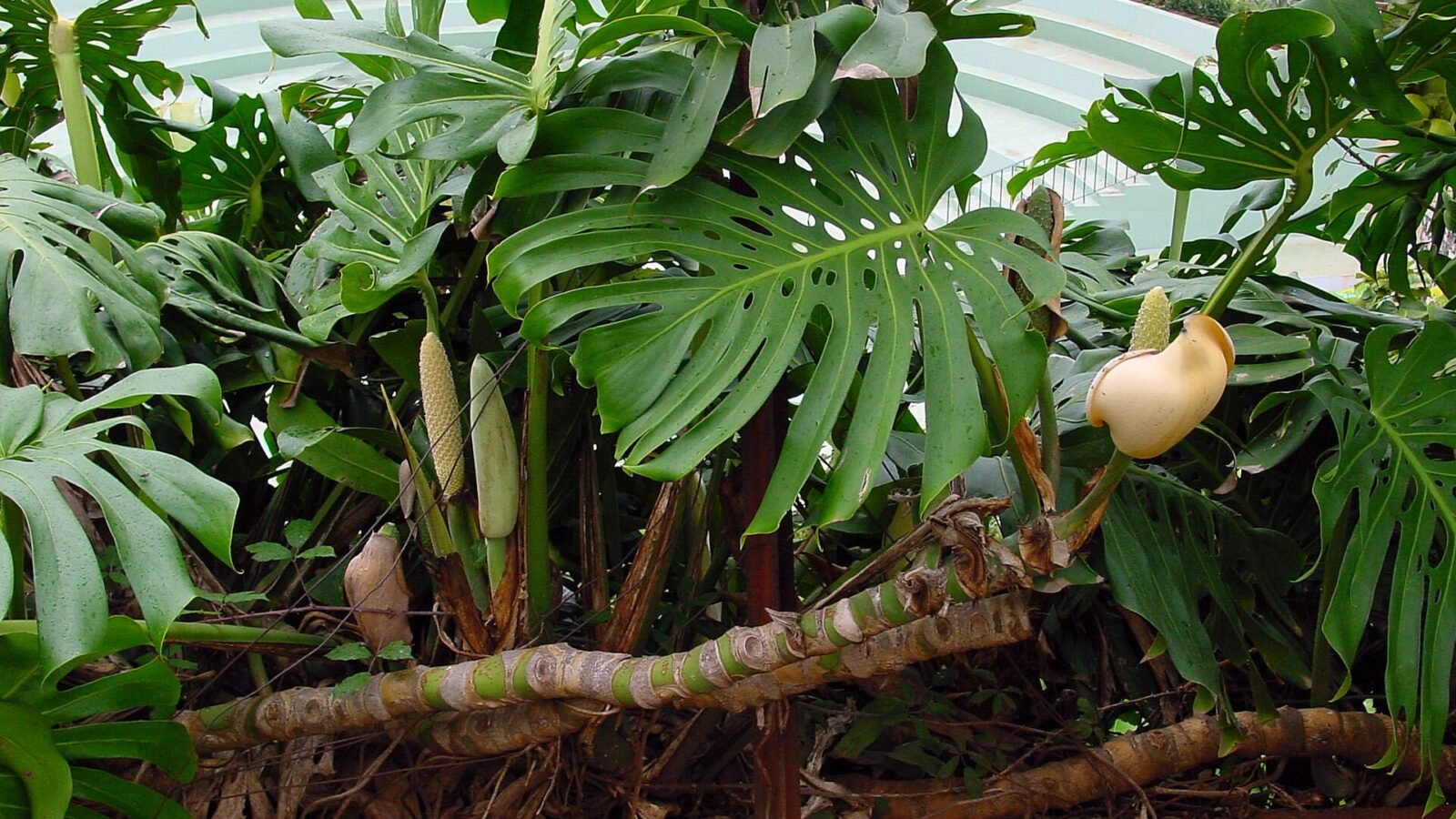
Monstera deliciosa — also called the Swiss cheese plant or split-leaf philodendron, even though it isn’t a true philodendron — is a tropical climbing aroid native to the rainforests of southern Mexico and Central America. In the wild it climbs tree trunks using aerial roots, which is exactly why potted Monstera left to sprawl on a shelf never develops those big mature, deeply split leaves. The North Carolina Extension Gardener Plant Toolbox lists it as a vigorous climber that needs support and consistent warmth to thrive indoors, which lines up with what changed everything for mine.
Give It Something to Climb
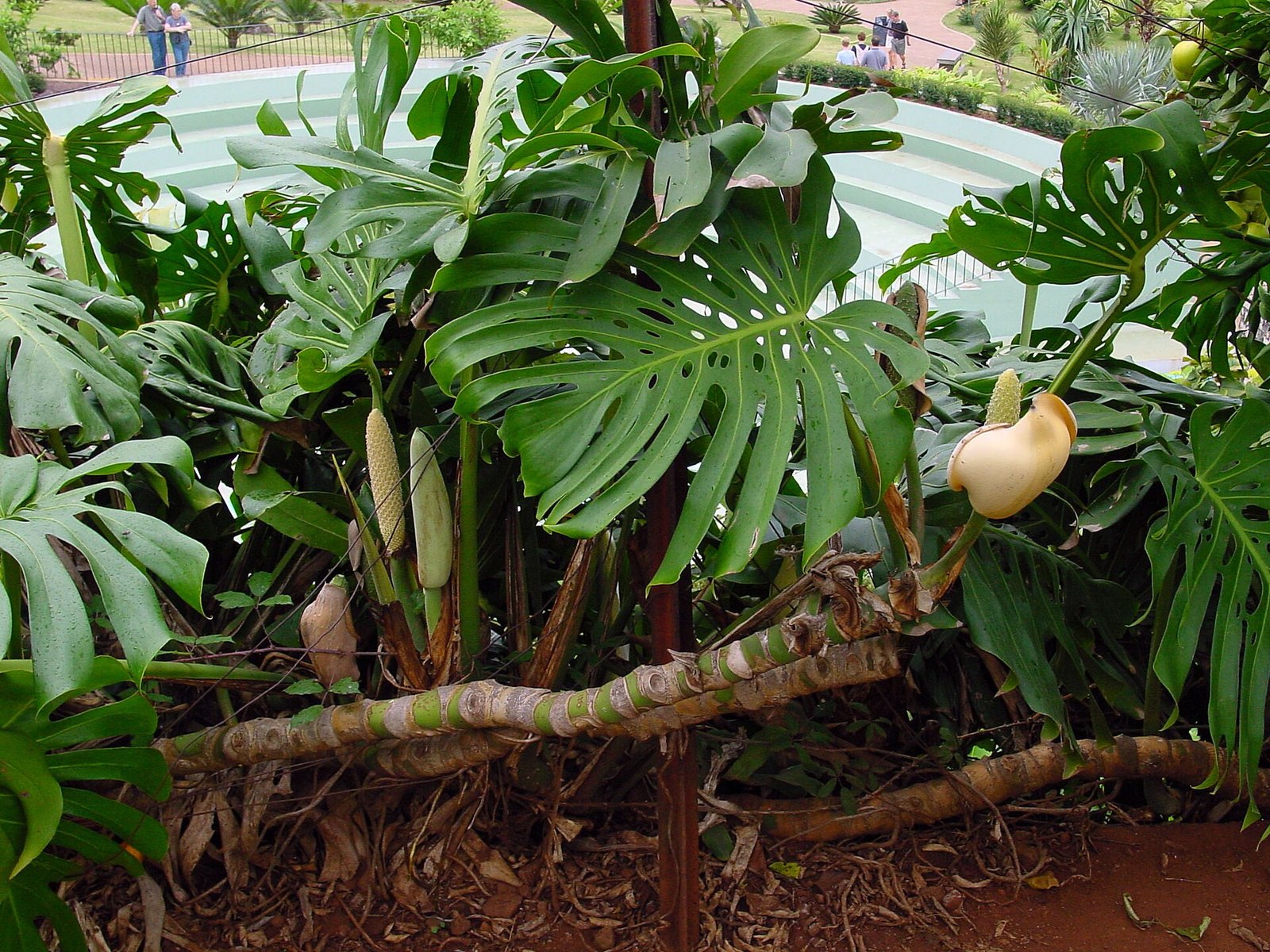
This is the single biggest thing I got wrong for years. A Monstera left to trail off the side of a shelf will survive, but the leaves stay smaller and the famous splits (fenestrations) take much longer to show up, if they show up at all — the plant only invests in those big leaves once it senses it’s climbing toward more light, mimicking how it grows up a tree trunk in the wild. A simple moss pole or coir totem solves this. Tie the main stem loosely to it, and the aerial roots will eventually grip the pole on their own.
Light
Bright, indirect light is the sweet spot. Mine sits about six feet back from an east-facing window and gets strong morning light without any direct hot sun. Too little light and you get small leaves with no fenestration and long, leggy stem gaps between leaves; too much direct sun and the leaves bleach out or scorch, especially the newer, more tender ones.
Watering and Humidity
I water when the top two inches of soil are dry — for me that’s roughly once a week in summer and every ten to fourteen days in winter. Monstera doesn’t want to sit in soggy soil, but it also doesn’t want to fully dry out the way a succulent does. Humidity matters more than people think; mine perked up noticeably after I moved it near the bathroom, which stays humid from showers. A pebble tray or a small humidifier nearby does the same job if your air is dry.
Soil and Feeding
A chunky, well-draining aroid mix works best — I use regular potting soil cut with orchid bark, perlite, and a handful of charcoal, roughly equal parts. Straight dense potting soil holds too much water around the roots for too long. During spring and summer I feed every four weeks with a balanced liquid fertilizer diluted to half strength; I stop entirely from late fall through winter when growth slows down.
Propagation: Stem Cuttings With a Node
Monstera is one of the easiest tropical plants to propagate, and it’s how I’ve gifted probably a dozen plants to friends over the years. Take a cutting with at least one node (the little bump where aerial roots emerge) and one or two leaves. Set it in water or moist sphagnum moss, keep it warm and out of direct sun, and roots usually appear within three to six weeks. According to University of Minnesota Extension, a node is essential — a leaf cutting without one will not root, no matter how long you wait, which is the mistake most beginners make the first time.
Repotting and Growth Rate
I repot mine roughly every two years, moving up one pot size, in spring right as new growth starts. Signs it’s time: roots circling the bottom of the pot, water running straight through without the soil absorbing it, or a plant that’s clearly top-heavy for its container. A mature, well-supported Monstera can put out a new leaf every three to four weeks during the growing season.
Common Problems
Yellow lower leaves in small numbers are normal aging; yellowing across multiple leaves at once usually means overwatering. Brown crispy edges point to low humidity or underwatering. No fenestration on new leaves almost always means not enough light or nothing to climb — the two fixes that changed my own plant’s growth completely. Spider mites show up occasionally in dry winter air; a strong lukewarm shower on the leaves every few weeks knocks them back and also just keeps the big leaves clean enough to actually photosynthesize properly, since dust builds up fast on leaves that size.
Frequently Asked Questions
Why does my Monstera have no holes in the leaves?
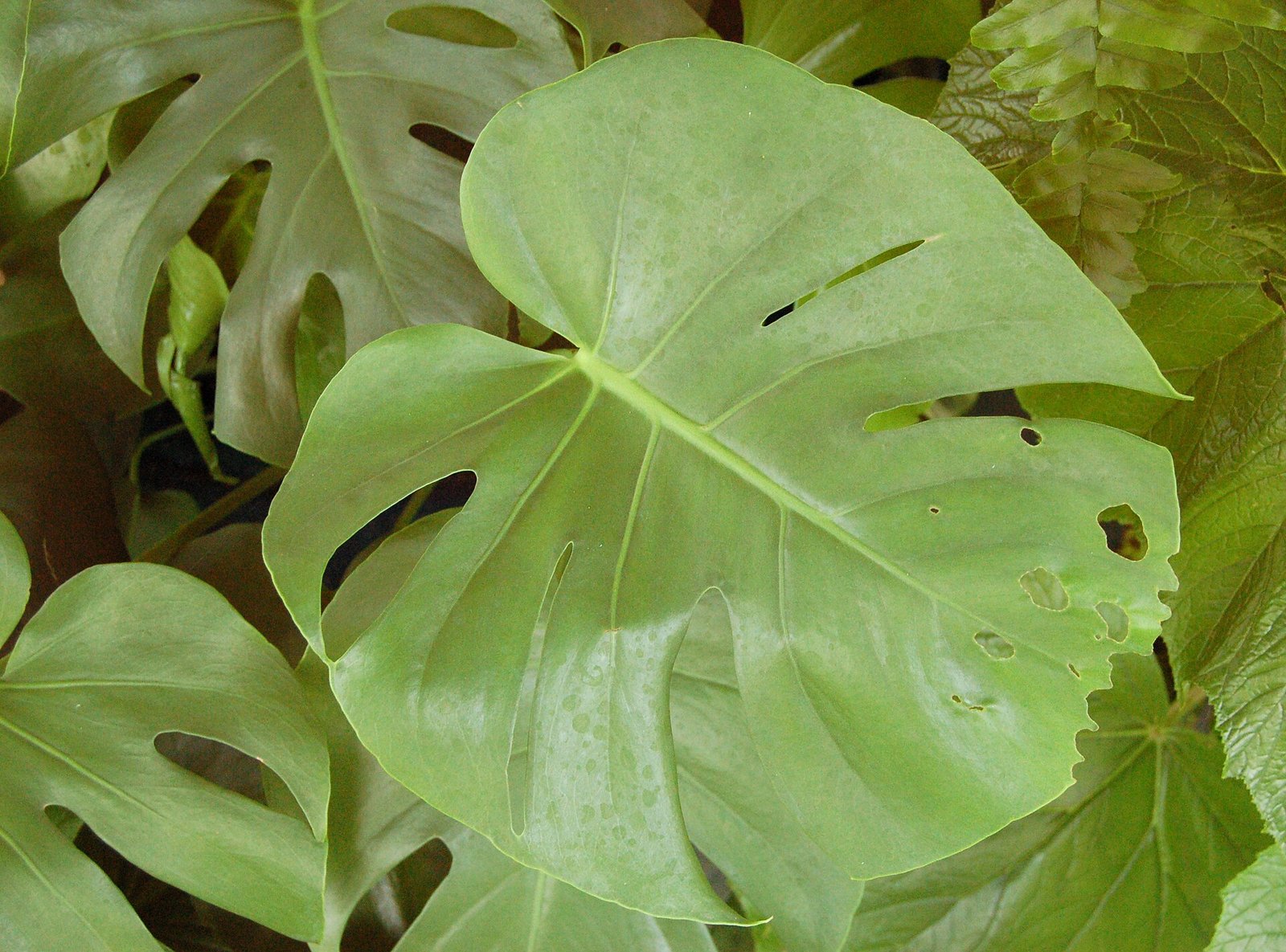
Young plants and cuttings often start with solid, unsplit leaves — fenestration develops as the plant matures and gets a climbing support and enough bright indirect light. Patience plus a moss pole usually solves it.
Is Monstera deliciosa toxic to pets?
Yes, it contains calcium oxalate crystals that can irritate the mouth and digestive tract of cats and dogs if chewed. Keep it out of reach of curious pets.
How big does a Monstera get indoors?
Given a tall support and years of growth, indoor Monstera can reach eight feet or more. Mine is pushing the ceiling of a nine-foot room after eight years.
If there’s one thing I’d tell anyone starting out with this plant, it’s don’t judge it by its first year. Mine looked unremarkable for a long time before it finally had the support and light it needed to turn into the plant people actually picture when they hear “Monstera.”