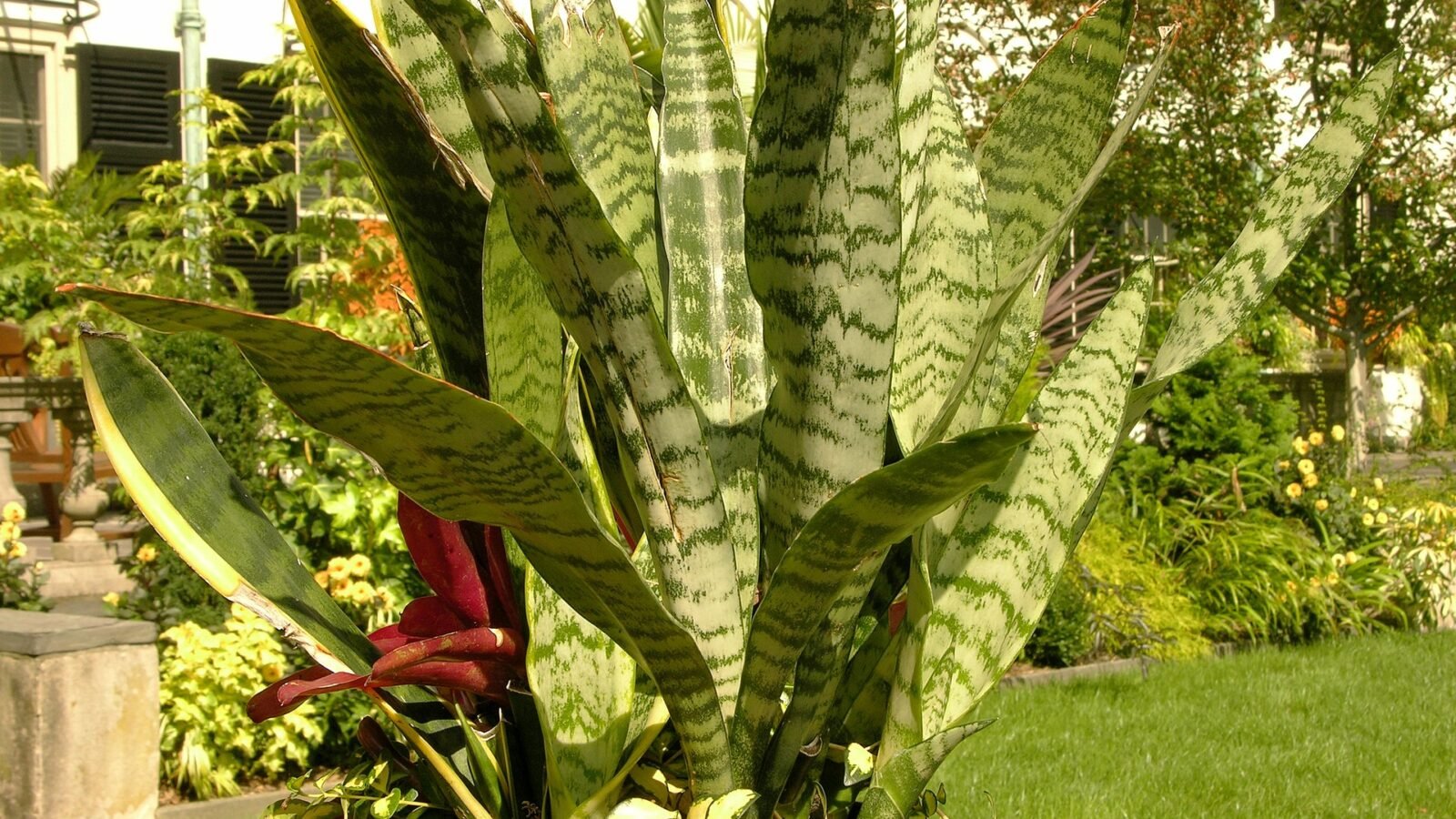
Snake Plant Care Guide: How to Grow Dracaena Trifasciata Indoors
A practical, no-nonsense snake plant care guide covering light, watering, soil, propagation, and the mistakes that actually kill this plant.
I killed my first snake plant by loving it too much. Watered it every Sunday like it was a tomato seedling, and within two months the base had gone soft and dark and the whole thing just slid over in the pot like it had given up. That was almost eleven years ago, back when I was still learning that “houseplant” and “garden vegetable” don’t play by the same rules. These days I’ve got snake plants in the greenhouse office, on the porch in summer, and in three different rooms of the house, and I haven’t lost one in years. The trick, it turns out, is doing almost nothing.
Snake plant is the common name for what botanists now call Dracaena trifasciata (you’ll still see it labeled Sansevieria trifasciata on nursery tags — the name changed but the plant didn’t). It’s one of the toughest houseplants I’ve ever grown, and I say that as someone who has genuinely tried to kill a few on purpose just to see what it takes. According to the North Carolina Extension Gardener Plant Toolbox, it tolerates low light, drought, and neglect better than almost any other common houseplant on the market, which matches exactly what I’ve seen on my own shelves.
Light: More Forgiving Than You Think
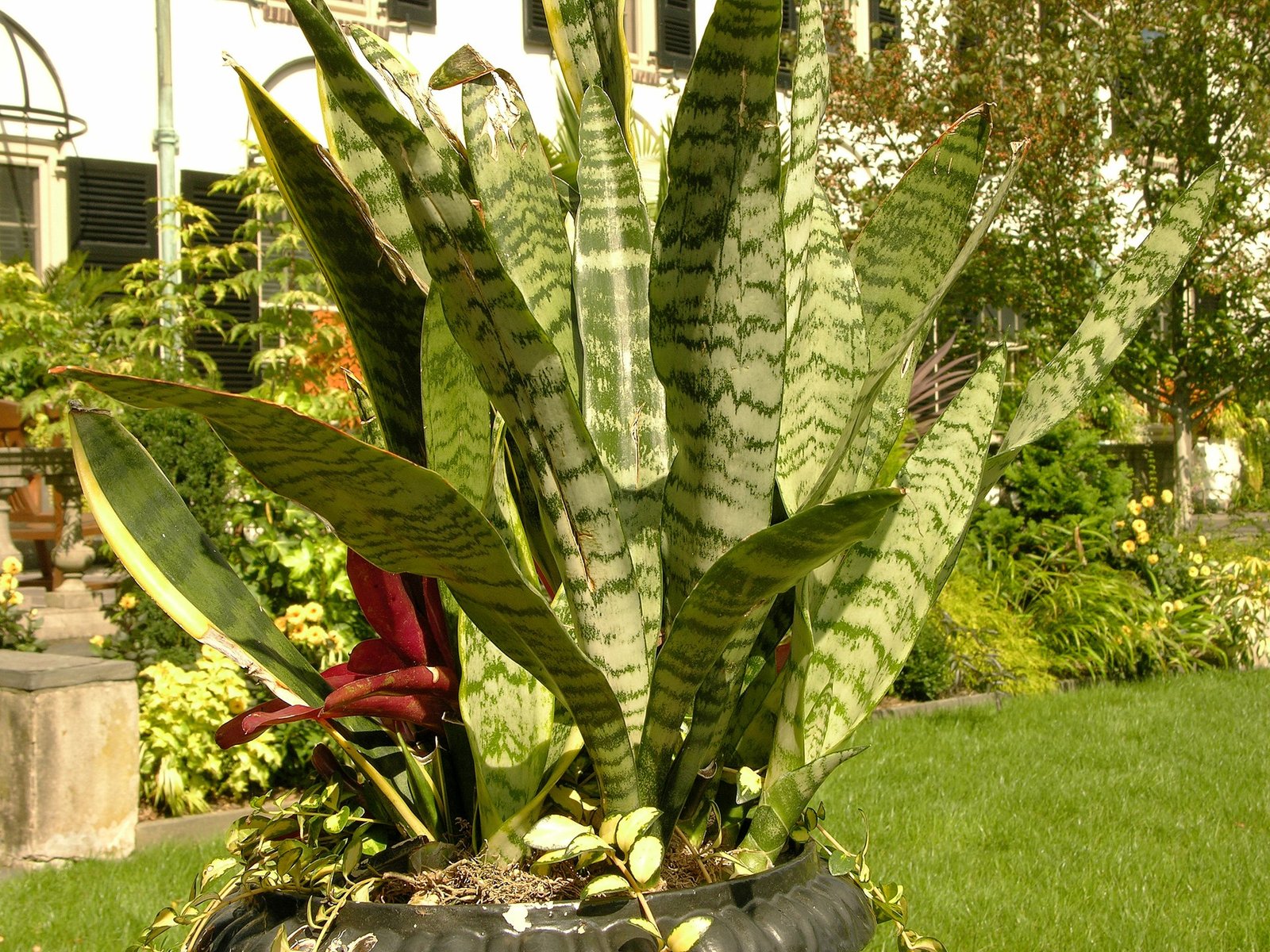
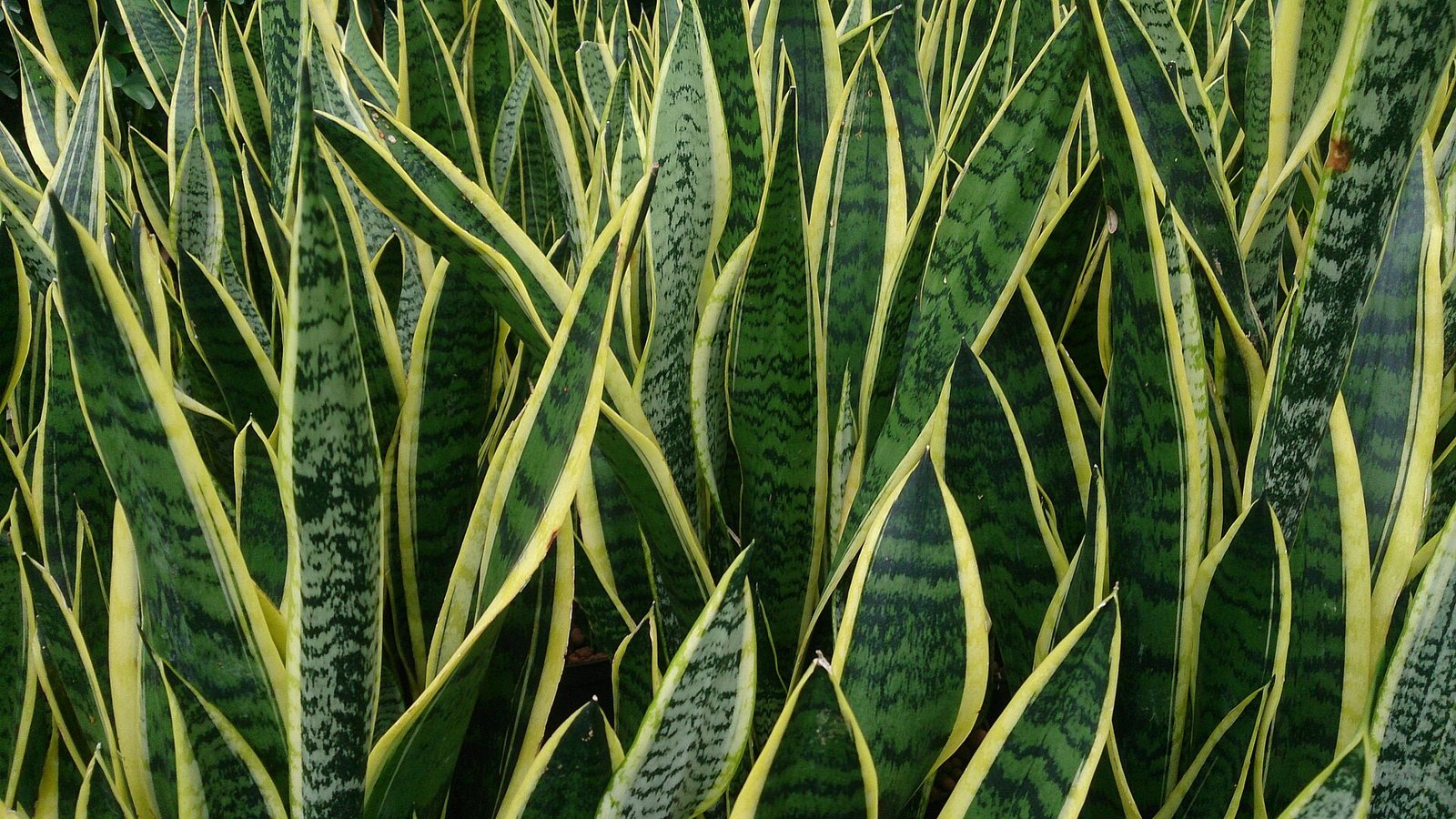
People assume every houseplant needs a bright south window, and snake plant is the exception that breaks that rule. Mine in the hallway gets maybe twenty minutes of direct sun a day, filtered through a curtain, and it’s still pushing new leaves every spring. That said, if you want the fastest growth and the boldest color contrast between the dark green and the yellow leaf margins, give it bright indirect light. Direct hot afternoon sun through unfiltered glass can scorch the leaves — I found that out the hard way with a pot I left on a west-facing sill in July.
Watering: The One Rule That Actually Matters
If there’s a single lesson from this plant, it’s this: let the soil go bone dry between waterings. Snake plants store water in those thick, fleshy leaves, which is exactly why overwatering is the number one killer — root rot sets in fast when the soil stays wet, especially in winter when the plant is barely growing. I water mine maybe once every three to four weeks in the growing season and even less in winter, sometimes going six weeks without touching the watering can. Stick a finger two inches into the soil; if it’s even slightly damp, wait.
Soil and Repotting
Use a fast-draining mix — a standard cactus or succulent potting mix works fine, or cut regular potting soil with perlite at about a two-to-one ratio. Snake plants actually seem to grow better a little pot-bound, so don’t rush to repot. I only move mine up a size every two to three years, usually when I see roots crowding out of the drainage holes or the pot cracking from root pressure, which has happened to me twice with cheap plastic nursery pots.
Feeding and Growth
This isn’t a heavy feeder. A diluted balanced liquid fertilizer once a month during spring and summer is plenty — I use about half the label rate. Skip feeding entirely in fall and winter. Overfeeding shows up as brown, crispy leaf tips before it shows up as anything else, and that’s usually a fertilizer or salt-buildup problem rather than a watering one.
Propagation: The Free Plant Machine
Every snake plant I own past the first one came from cuttings, and it costs nothing but time. Two ways I use most:
- Division — the fastest method. Pull the plant out of its pot, and you’ll see it’s made of rhizomes with distinct fans of leaves attached. Cut between fans with a clean knife and pot each section separately. You get an instant, full-sized plant this way.
- Leaf cuttings — cut a healthy leaf into three-to-four-inch sections, let the cut ends callus over for a day or two, then stick them upright in slightly moist soil or water. Roots show up in four to eight weeks. One warning from experience: if you propagate a variegated variety like ‘Laurentii’ from a leaf cutting, the yellow edge usually disappears in the new plant — it reverts to plain green. Division is the only way to keep the variegation true.
Common Problems I’ve Actually Run Into
Mushy, collapsing leaves at the base are root rot from overwatering, full stop — pull the plant, cut away any black or mushy roots, let the remaining healthy roots dry out, and repot in fresh dry soil. Wrinkled or curling leaves usually mean the opposite problem, underwatering to the point of real drought stress, though this plant can go a surprisingly long time before it looks unhappy. I’ve also dealt with mealybugs once, in the white cottony clusters where the leaves meet at the base — a cotton swab dipped in rubbing alcohol wiped them out over a couple of weeks.
Is Snake Plant Actually Good for Air Quality?
You’ll see this plant marketed heavily on the claim that it purifies indoor air, based on NASA’s older Clean Air Study from the late 1980s that tested how houseplants absorb certain volatile compounds in sealed lab chambers. I wouldn’t plan your home’s air quality strategy around a few houseplants — the airflow and volume of a real room isn’t the same as a sealed test chamber — but it’s a nice bonus on top of a plant that’s already earning its space on your shelf for being nearly impossible to kill.
Frequently Asked Questions
How often should I water a snake plant?
Roughly once every three to four weeks in spring and summer, and even less in fall and winter. Always check that the soil is fully dry before watering again.
Can snake plants survive in low light rooms with no windows?
They’ll survive longer than almost any other houseplant in low light, but “survive” isn’t “thrive.” Growth slows dramatically and the plant may lean toward whatever light source exists. Some indirect natural light or a grow light is still best for long-term health.
Why are the tips of my snake plant turning brown?
Usually fluoride or salt buildup from tap water and fertilizer, or dry air in winter. Try watering with distilled or rainwater occasionally and flush the soil thoroughly every few months.
If you’re starting your first snake plant, don’t overthink it — under-attention is the safer mistake to make with this one. Give it a bright-ish spot, forget about it for a month, and you’ll have a plant that outlives most of the “easier” houseplants people recommend instead.
2 Comments
Comments are closed.
[…] a genuinely low-light spot, pothos, snake plant, and ZZ plant are the three most forgiving starting points — all three tolerate infrequent […]
[…] Snake plant (Dracaena trifasciata) tolerates low light, dry air and weeks without water. The most common way to kill one is kindness. Full detail in our snake plant care guide. […]