Fall Planting Guide
What to plant, prune and put to bed in autumn so your garden comes back strong next spring.
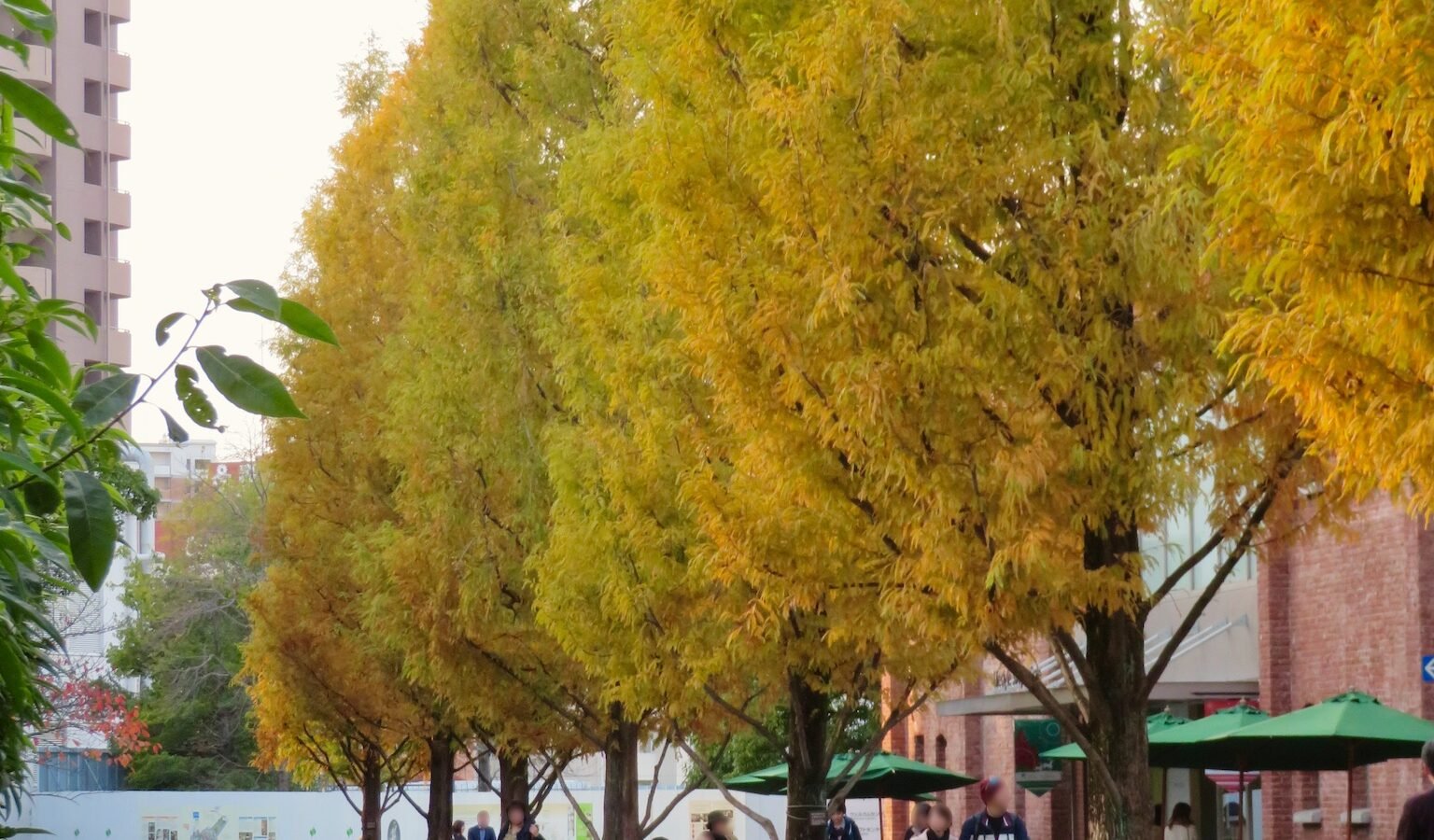
Fall is the most underrated planting season of the year. The soil is still holding summer warmth, which keeps roots growing, while cooling air means far less stress on top growth and much less watering than a spring planting needs. Anything you get in the ground now spends the whole winter establishing, and arrives at spring already anchored.
Planting window
About 6 weeks before the ground freezes
Best lawn month
Early fall
Bulb depth
3x the height of the bulb
The Fall Planting Window
The rule of thumb is to plant roughly six weeks before your ground typically freezes. That gives roots time to knit into the surrounding soil before growth stops. Planting later is not automatically fatal, but the plant goes into winter without much anchorage and is far more likely to be pushed out of the ground by frost heave.
Soil temperature matters more than air temperature here. A run of cold mornings does not mean the soil has cooled, and roots keep growing well after the top growth has visibly stopped.
Trees and Shrubs
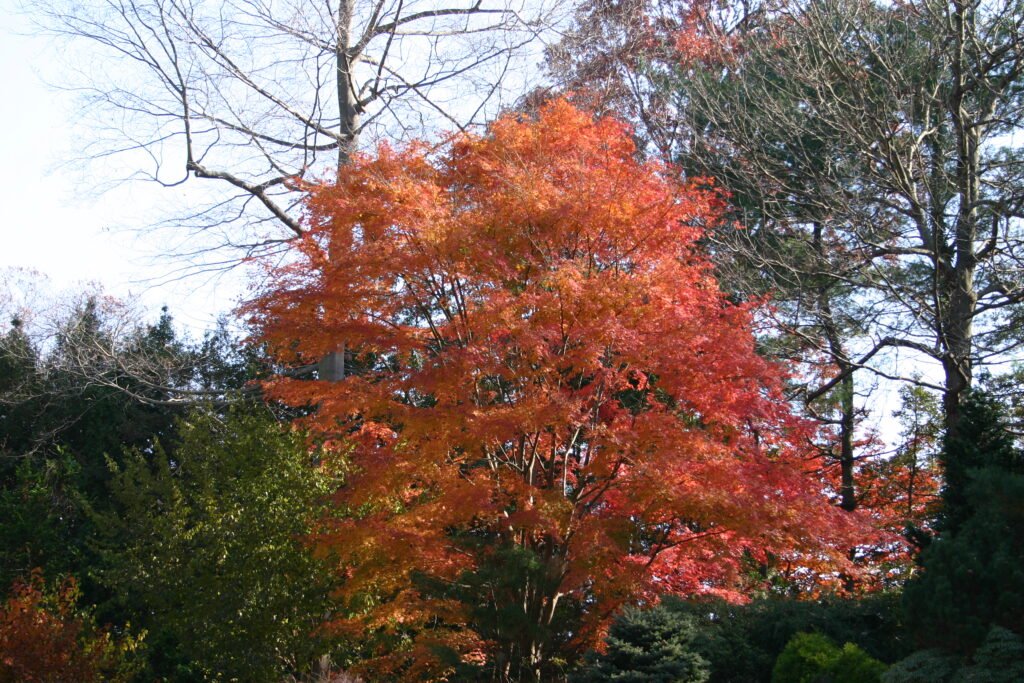
Fall is the best planting season for most trees and shrubs. Dig the hole two to three times as wide as the root ball but no deeper: the root flare, where the trunk widens at the base, must sit at or slightly above the surrounding soil level. Planting too deep is the most common cause of a tree that sulks for years.
Tease apart any circling roots before backfilling, water thoroughly to settle the soil, and mulch a wide ring while keeping it clear of the trunk. Skip fertiliser at planting. It encourages soft growth at exactly the wrong moment.
Broadleaf evergreens are the exception worth noting: they lose moisture all winter, so plant them earlier in fall rather than at the end of the window.
Perennials and Divisions
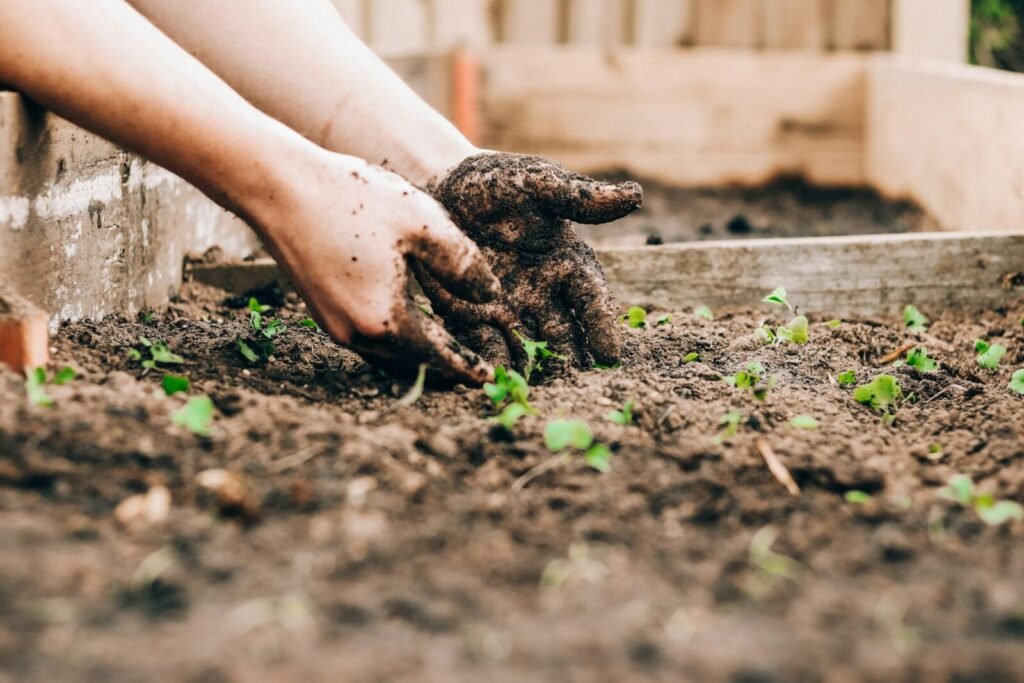
Fall is the right time to divide most spring and early summer flowering perennials, including hostas, daylilies, irises and peonies. Lift the clump, split it into sections that each have healthy roots and several growing points, and replant immediately at the same depth as before.
Leave late season bloomers such as asters and ornamental grasses until spring. They are still putting energy into flowering now, and dividing them mid performance sets them back badly.
Water new divisions in well. They will look unimpressive for a few weeks, which is normal, because everything they have is going into roots.
Spring Flowering Bulbs
Tulips, daffodils, crocus, alliums and hyacinths all need a cold period to flower, so they must go in during fall. Plant once soil temperatures have dropped, typically several weeks after the first light frosts, at roughly three times the depth of the bulb itself and pointed end up.
Plant in generous groups rather than single lines. Fifteen or twenty bulbs in an irregular drift reads as a deliberate planting, while a row of six along a path edge tends to look accidental. Daffodils are the most reliable choice in gardens with squirrels or deer, since both usually leave them alone.
Fall Vegetables and Garlic
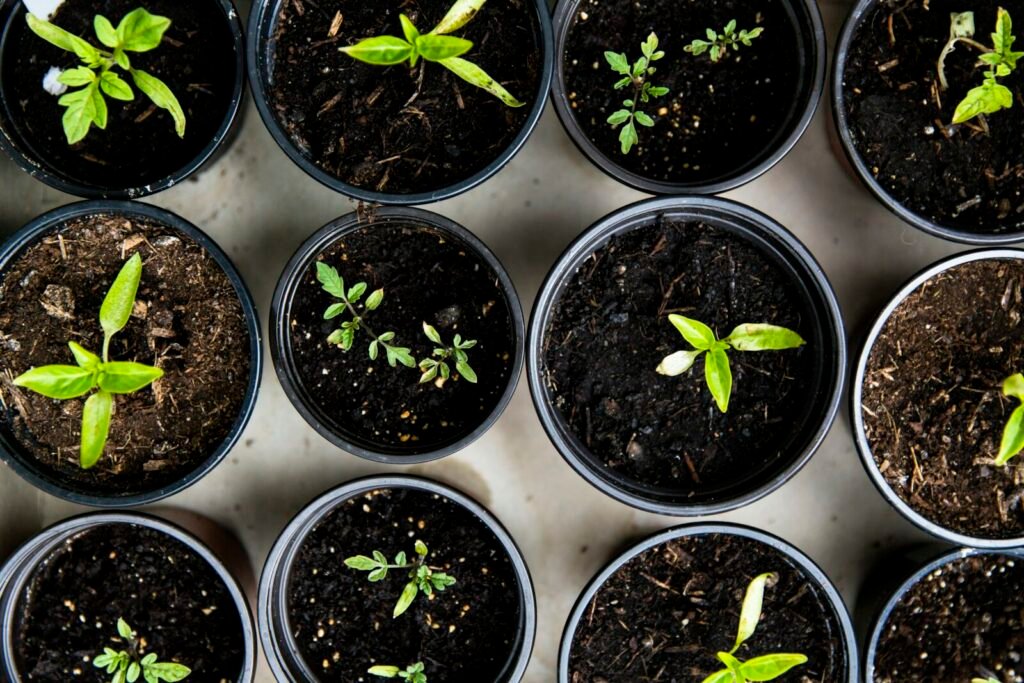
Cool season crops such as spinach, kale, lettuce, radishes and Asian greens crop well into cold weather and often taste better after a light frost, which converts starches to sugars. Sow them early enough that they reach usable size before day length, not cold, shuts growth down.
Garlic is the classic fall crop. Plant individual cloves, pointed end up, about two inches deep and six inches apart a few weeks before the ground freezes, then mulch. It roots over winter and is ready the following summer.
Lawn: The Best Month of the Year
Early fall is the single best time to seed, overseed, aerate and feed a cool season lawn. Soil is warm enough for fast germination, air is cool enough that seedlings are not immediately stressed, and weed competition has dropped off sharply compared with spring.
Aerate first if the soil is compacted, then overseed, then feed. Doing it in that order gets seed into the holes rather than sitting on the surface. The complete guide to lawn care through the seasons sets the full year out.
Skip the fertiliser
Feeding at fall planting pushes soft top growth that will not harden off before frost. Water the plant in well, mulch it, and feed in spring instead.
What to Prune, and What to Leave
Keep fall pruning minimal. Cutting stimulates new growth, and soft new shoots produced in autumn will not harden off before frost. Remove dead, damaged or diseased wood, and stop there.
Leave structural pruning of most trees and shrubs for late winter, when the plant is fully dormant and the framework is easy to read without leaves in the way.
Putting Beds to Bed
Pull spent annuals and any diseased material, which goes in the bin rather than the compost. Leave seed heads on coneflowers, rudbeckia, sedum and grasses: they feed birds through winter and give the garden something to look at in January.
Shred fallen leaves with the mower and spread them on beds as free mulch, or stack them separately to break down into leaf mould. Whole leaves left in a thick mat will smother a lawn, so shredding is worth the effort.
Drain and store hoses, shut off and blow out irrigation lines in freezing climates, and empty or raise ceramic pots so trapped water cannot freeze and crack them.
Fall Timeline at a Glance
- Early fall: lawn aeration, overseeding and feeding; plant evergreens, trees and shrubs; sow cool season greens.
- Mid fall: divide and plant perennials; continue tree and shrub planting; shred and spread leaves.
- Late fall: plant spring bulbs and garlic; final bed cleanup; drain irrigation; mulch after the ground firms up.
Once the ground is frozen, attention shifts to protection rather than planting. See our guide to winter garden care for that stage.
Frequently Asked Questions
Is fall really better than spring for planting?
For hardy trees, shrubs and most perennials, yes. Warm soil keeps roots growing while cool air reduces stress on the leaves, and rainfall usually does much of the watering for you.
How late can I plant in fall?
Aim for about six weeks before your ground typically freezes so roots can establish. Later plantings can survive but are much more likely to be heaved out of the soil by frost.
Should I fertilise plants at fall planting?
No. Fertiliser pushes soft top growth that will not harden off before frost. Water the plant in well, mulch it, and feed in spring instead.