The Easiest Plants for Beginners, Indoors and Out
The easiest plants for beginners indoors and outdoors, what makes a plant genuinely forgiving, and the ones that look easy but are not.
The short answer
The easiest plants for beginners are snake plant, pothos and ZZ plant indoors, and marigolds, nasturtiums, sedum and daylilies outdoors. For edibles, start with lettuce, radishes, mint and bush beans. All of them tolerate irregular watering, recover from mistakes, and show visible progress within weeks rather than seasons.
An easy plant is not just a hardy one. It is a plant that forgives the specific mistakes beginners actually make, which are overwatering, underwatering, and putting the right plant in the wrong light. A plant that survives those three and still looks good is worth more to a first time gardener than a rare specimen that needs everything perfect.
What Makes a Plant Easy?
Four traits, and the fourth is the one most lists ignore.
- Wide tolerance. It accepts a range of light and watering rather than one narrow band.
- Visible signals. It tells you something is wrong through drooping or colour change before it dies, giving you time to correct course.
- Recovery. It bounces back after a missed fortnight rather than collapsing permanently.
- Fast feedback. You see new growth in weeks. Plants that take two seasons to show anything are hard for beginners simply because there is nothing to learn from.
The Easiest Houseplants
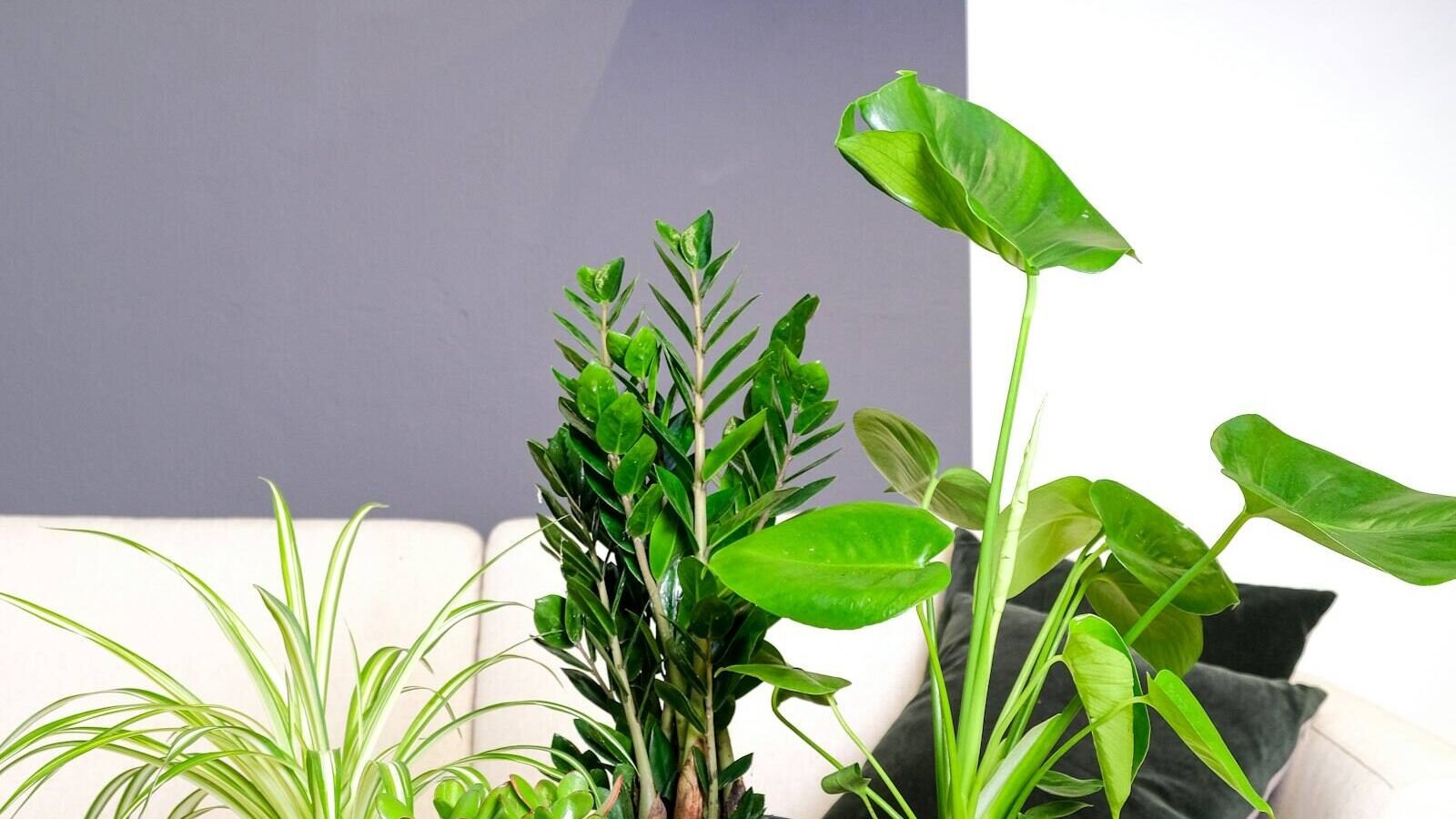
- Snake plant (Dracaena trifasciata) tolerates low light, dry air and weeks without water. The most common way to kill one is kindness. Full detail in our snake plant care guide.
- Pothos grows fast enough to feel rewarding, trails or climbs, and wilts visibly before it is in real trouble. It also roots in a glass of water, which makes it the best plant to learn propagation on.
- ZZ plant stores water in rhizomes and handles dim offices better than almost anything.
- Spider plant produces plantlets you can pot up, so one plant becomes several. See our spider plant guide.
- Peace lily droops dramatically when thirsty and recovers within hours of watering. Annoying in theory, ideal for learning in practice.
If your rooms are genuinely dim, start with our shortlist of the best low light indoor plants for beginners.
The Easiest Outdoor Flowers
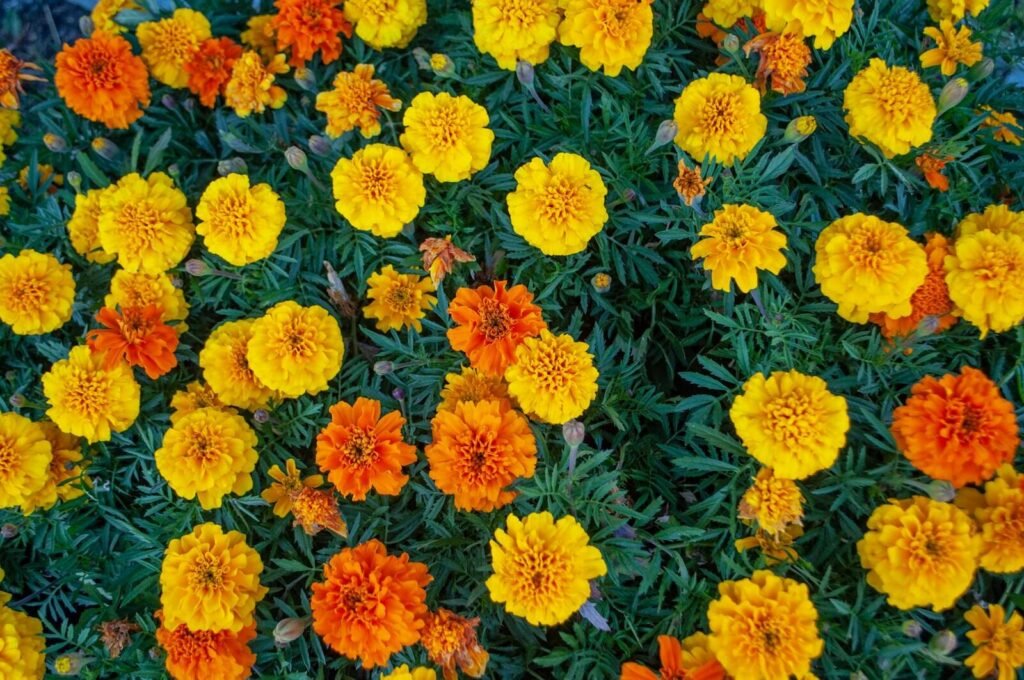
- Marigolds germinate quickly, flower all season, and ask for nothing but sun.
- Nasturtiums have seeds large enough for children to sow, prefer poor soil, and the flowers and leaves are edible.
- Sunflowers give the fastest visible reward of any plant here, which matters more than it sounds.
- Sedum is close to indestructible in sun and sharp drainage, and feeds late season pollinators.
- Daylilies return every year, tolerate drought and poor soil, and spread slowly enough to stay manageable.
- Coneflower (Echinacea) is a hardy perennial that flowers for months and leaves seed heads for birds through winter.
The Easiest Herbs
Herbs are the best value starting point because you use them, which keeps you paying attention to them.
- Mint is impossible to kill and nearly impossible to contain. Grow it in a pot, always.
- Chives return each year, tolerate partial shade, and regrow after cutting.
- Basil needs warmth and regular water, and rewards pinching with bushier growth. It teaches the useful habit of harvesting little and often.
- Thyme and oregano want sun and sharp drainage, and prefer being forgotten to being fussed over.
The Easiest Vegetables
- Radishes go from seed to harvest in about four weeks, which makes them the best confidence builder in the vegetable garden.
- Lettuce and salad leaves grow in shallow containers, tolerate partial shade, and can be cut repeatedly. Our guide to growing crisp lettuce covers succession sowing.
- Bush beans need no staking and crop heavily.
- Courgettes are almost too productive. One or two plants is enough for most households.
Plants That Look Easy But Are Not
These appear on beginner lists regularly and cause more early discouragement than anything else.
- Fiddle leaf fig. Sensitive to light changes, draughts and watering, and it drops leaves when it disapproves.
- Orchids. Not truly difficult, but the watering and potting medium work nothing like other houseplants, so normal care kills them.
- Supermarket herb pots. Many seedlings crammed into one pot, grown for immediate sale rather than survival. They decline within weeks whatever you do.
- Carrots. They need deep, stone free, loose soil. In typical garden ground you get forked, stubby roots and conclude you cannot garden.
- Roses are manageable but demand correct pruning timing, and getting it wrong costs a whole season of flowers.
How Not to Kill Your First Plants
Three habits prevent most beginner losses.
Check before watering, never on a schedule. Push a finger two to three inches into the soil and water only if it is dry at that depth. Overwatering and underwatering produce confusingly similar symptoms, which our guide on telling them apart works through.
Match the plant to the light you have. Not the light you wish you had. Watch where the sun falls at morning, midday and evening before buying.
Start with three plants, not thirty. Three plants you observe closely teach you more in one season than a full border you cannot keep up with. Our complete beginner guide covers the rest of the foundations.
Frequently Asked Questions
What is the single easiest plant to start with?
A pothos indoors, or marigolds outdoors. Pothos grows fast, roots in water, and signals thirst clearly. Marigolds germinate reliably and flower from early summer to frost with almost no intervention.
Which plants survive being forgotten?
Snake plant, ZZ plant and most succulents indoors; sedum, daylilies and lavender outdoors. All store water or tolerate drought, and all prefer neglect to attention.
Should I start from seed or buy plants?
Buy plants for your first houseplants and perennials, where a failure costs months. Start from seed for annual flowers, salad leaves and radishes, where seed is cheap, germination is fast, and a failed tray costs a fortnight.
How many plants should a beginner start with?
Three to five. Enough variety to learn from, few enough that you notice when one is struggling. Scale up next season once you know what your conditions actually support.
Why did my easy plant still die?
Usually light or water. Check whether the spot truly gets the hours the label asked for, and whether you were watering on a schedule instead of checking the soil. Both are fixable, and neither means you cannot garden.