
Spring Garden Checklist
The essential spring tasks to set your beds, lawn and borders up for a strong growing season.
Table of Contents
Spring is the busiest stretch of the gardening year, and the order you work in matters more than how fast you move. Jobs done too early cause real damage: walking on saturated soil compacts it for the whole season, and feeding grass that is not actively growing mostly feeds the weeds. This checklist runs through the essential spring tasks in the sequence they should actually happen.
Start signal
Soil crumbles, not sticky
First feed
Once grass is actively growing
Tender plants out
After your last frost date
Time It by the Soil, Not the Calendar
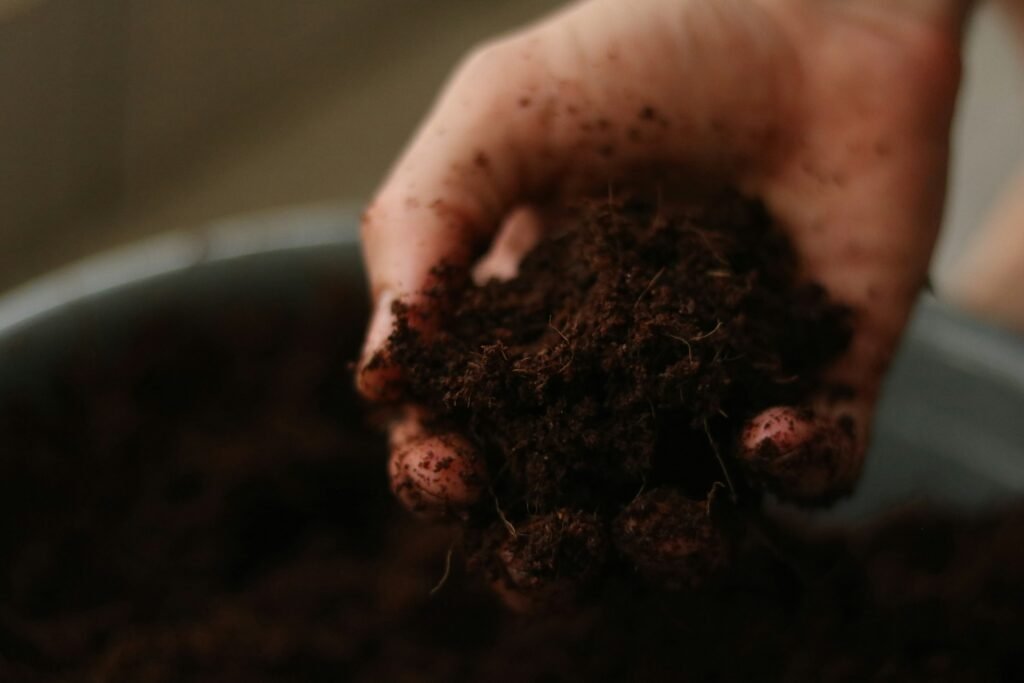
The single most useful spring skill is knowing when your soil is ready to be worked. Pick up a handful and squeeze it. If it forms a muddy ball that holds its shape and drips, it is too wet, and every step you take on it is crushing the air pockets roots depend on. If it crumbles apart when you poke it, you can start.
The same logic applies to planting dates. Your last expected frost date, not the arrival of a warm week, decides when tender plants can go outside. Warm spells in early spring are normal and are followed by frosts often enough to kill anything planted out on optimism.
1. Clear Beds Without Stripping Them Bare
Remove genuinely dead annual growth, collapsed stems and any diseased material, which should go in the bin rather than the compost heap. Resist the urge to scrape every bed back to bare soil. Overwintering insects are still sheltering in leaf litter and hollow stems, and the mulch layer you remove is the one suppressing weeds. Aim for tidy, not sterile.
Wait until daytime temperatures are consistently above roughly 50F before doing the final cleanup of stems and leaf piles, so beneficial insects have emerged.
2. Check and Improve the Soil
Spring is the right moment for a soil test if you have never done one or if it has been three or four years. A basic test gives you pH and major nutrient levels, which turns fertilising from guesswork into a decision. Amendments such as lime take months to shift pH, so applying them early gives them time to work.
Whatever the test says, adding two to three inches of compost to bed surfaces is rarely wrong. There is no need to dig it in. Soil life will pull it down, and leaving the structure undisturbed is better for drainage than turning the bed over.
Before you cut
Spring flowering shrubs such as lilac and forsythia set their buds the previous summer. Pruning them now removes this year’s display. Wait until they finish flowering.
3. Prune the Right Things
The pruning mistake that costs the most flowers is cutting spring bloomers in spring. Shrubs such as forsythia, lilac and most early flowering species set their buds the previous summer, so pruning them now removes this year’s display. Prune those immediately after they finish flowering instead.
What you can safely cut in early spring: dead, damaged and crossing wood on almost anything, summer flowering shrubs that bloom on new growth, and ornamental grasses cut back to a few inches before new blades appear.
4. Wake the Lawn Up Gently
Rake out the matted, flattened grass and debris left by winter to get air and light back to the crowns. Hold off on the first mow until the grass is actively growing, then cut no more than a third of the blade height in one pass.
Aeration, overseeding and the first feed all have their own timing, and doing them in the wrong order wastes seed and fertiliser. Our spring lawn care checklist covers those seven steps in detail.
5. Edge, Then Mulch
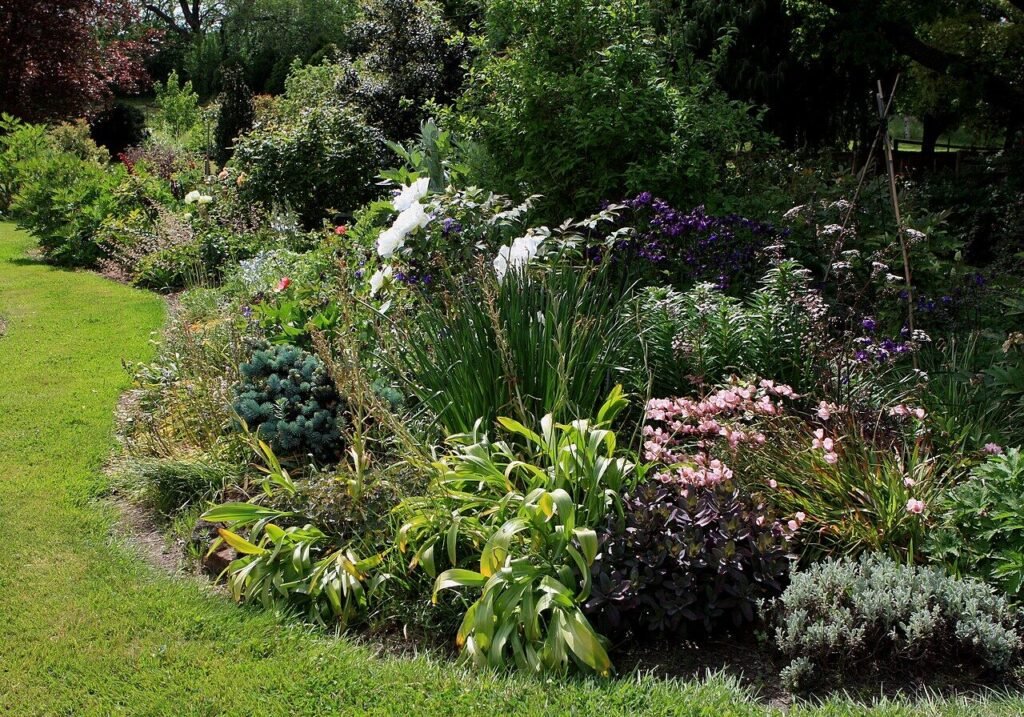
Cutting a clean edge between lawn and bed is the highest impact hour you will spend in the spring garden. It reads as care even when the planting behind it is still waking up, and it creates a physical barrier that slows grass creeping into beds.
Mulch after edging, not before. Two to three inches of bark, leaf mould or compost over the whole bed surface suppresses weed germination, holds moisture through summer and moderates soil temperature. Keep it pulled back an inch or two from stems and trunks, because mulch piled against bark holds moisture there and invites rot.
6. Plant in Two Waves
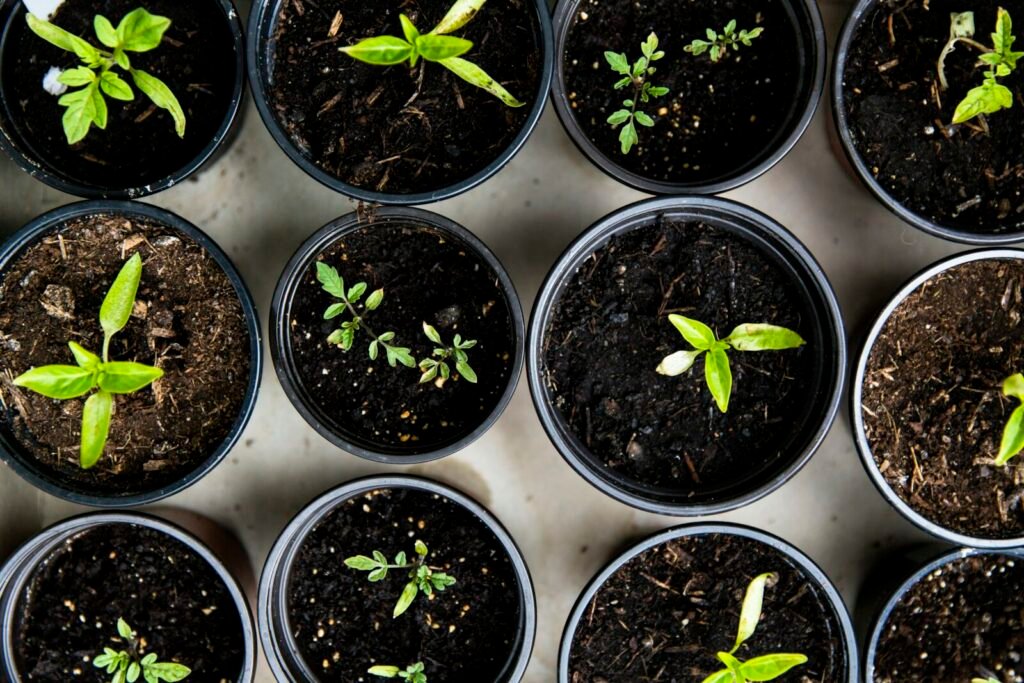
Split spring planting into two distinct phases. The first wave, in cool soil, is for hardy material: bare root trees and shrubs, perennial divisions, cool season vegetables such as peas, spinach, lettuce and brassicas, and any container grown hardy plants.
The second wave waits until after your last frost date and the soil has warmed. This is for tomatoes, peppers, squash, basil and bedding annuals. Anything bought from a heated greenhouse also needs hardening off first: a week or so of increasing outdoor exposure before it is planted out, or the shock will check its growth badly.
If you are still deciding what goes where, our guide to choosing and growing garden plants covers matching plants to conditions.
7. Service Tools and Irrigation
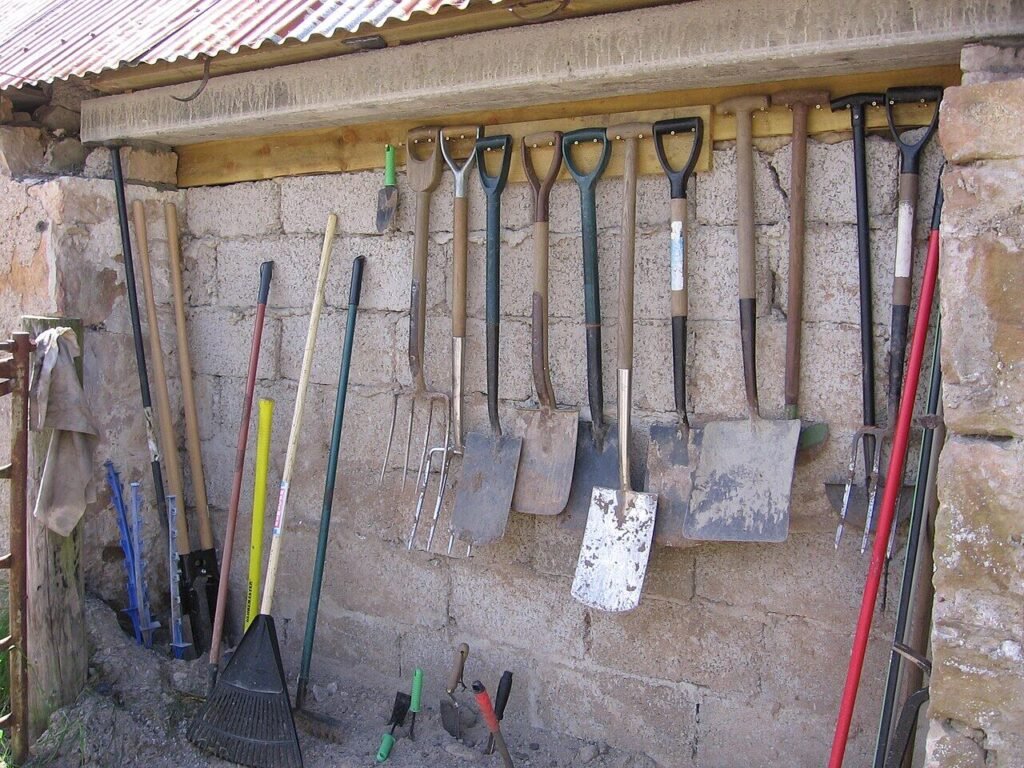
Sharpen and oil secateurs, loppers and shears before the season loads them up. Clean cuts heal faster than crushed ones, and a sharp blade is safer because it needs less force. Get the mower blade sharpened too, since torn grass tips brown off and make a whole lawn look tired.
Turn on and test irrigation before you need it. Check for split hoses, blocked emitters and heads knocked out of alignment over winter, and look for leaks at every joint while the system is running.
A Simple Spring Order of Operations
- Early spring, cold soil: soil test, prune dead wood and summer bloomers, cut back grasses, rake the lawn, plant bare root and hardy stock.
- Mid spring, soil warming: bed cleanup, compost topdressing, edging, mulching, lawn feeding and overseeding, cool season vegetables.
- Late spring, after last frost: tender plants out, containers planted, irrigation running, first real watering routine established.
Working through the year rather than just the season? See our complete guide to lawn care through the seasons.
Frequently Asked Questions
When should I start working in the garden in spring?
Go by soil condition rather than a date. When a squeezed handful of soil crumbles instead of forming a wet ball, it is dry enough to walk on and work without compacting it.
Should I cut back all my perennials in early spring?
Cut them back once daytime temperatures are reliably above about 50F. Hollow stems and leaf litter shelter overwintering beneficial insects, so clearing everything on the first warm day removes them before they emerge.
Is it too late to prune in spring?
Not for dead or damaged wood, which can come off at any time. It is too late for spring flowering shrubs, which have already set their buds. Prune those right after they finish blooming.
2 Comments
Comments are closed.
[…] the ground softens again, our spring garden checklist picks up where this leaves […]
[…] go deeper: garden design, landscaping, and lawn care. For working through the year in order, the spring garden checklist and fall planting guide cover the two busiest […]