
Spring Lawn Care Checklist: 7 Steps to a Healthier Lawn
A step-by-step spring lawn care routine: when to first mow, how to dethatch and aerate, and how to feed without scorching new growth.
Table of Contents
- 1. Wait for the Right Timing
- 2. Rake Out Debris and Dead Grass
- 3. Dethatch If the Layer Is Thick
- 4. Aerate Compacted Areas
- 5. Overseed Thin or Bare Patches
- 6. Feed With a Balanced Spring Fertiliser
- 7. Set the Mower Height Correctly
- Weed Control: Timing Beats Product
- What Not to Do in Spring
- Cool Season and Warm Season Lawns Diverge Here
- A Realistic Spring Timeline
- Frequently Asked Questions
The short answer
Spring lawn care works in one order: wait until soil reaches about 55 degrees Fahrenheit, rake out debris, dethatch only if the layer is over half an inch, aerate compacted areas, overseed thin patches, feed once growth has actually started, then set the mower high. Feeding before the grass is growing mostly feeds the weeds.
What you do to your lawn in spring sets the tone for the rest of the growing season. This checklist covers the routine in the order it should actually happen, so you are not aerating compacted, waterlogged soil or feeding grass that is not growing yet.
Start signal
Soil above 50F, grass growing
Thatch limit
Dethatch above 0.5 inch
First mow
Remove no more than a third
1. Wait for the Right Timing
Start once the lawn is actively growing again, usually when soil temperature is consistently above about 50F. Working a lawn too early, while it is still dormant or waterlogged, does more harm than good.
Soil temperature, not air temperature, is the signal. A warm week in March does not mean the ground has warmed, and walking a saturated lawn compacts it in a way that takes the whole season to recover from.

2. Rake Out Debris and Dead Grass
A light rake removes leaves, twigs and matted dead grass left over from winter, and lets air and light reach the crowns of the grass plants.
Pay particular attention to any patch that stayed under leaves or snow all winter. Matted areas are where snow mould shows up, and getting air to them early usually prevents needing to treat them at all.
3. Dethatch If the Layer Is Thick
Thatch is the layer of dead organic material between the soil and the green grass. A thin layer is normal and even beneficial; more than about half an inch starts to block water and nutrients from reaching the roots.
Check it by cutting out a small wedge of turf and looking at it side on. You will see the spongy brown band clearly. If it is thinner than half an inch, leave it alone: dethatching an healthy lawn is stress with no benefit.
4. Aerate Compacted Areas
High traffic areas such as paths, play areas and gate lines compact over time. Core aeration, which removes small plugs of soil, relieves that compaction and lets roots, air and water go deeper.
Use a corer rather than a spiked roller. Spikes push soil sideways and can make compaction worse; coring physically removes material and gives the soil somewhere to expand into. Leave the plugs on the surface to break down.
5. Overseed Thin or Bare Patches
Right after aerating is the best time to overseed, since the holes left behind give grass seed direct contact with soil, which gives much better germination than seed sitting on top of thatch.
Keep the seeded area consistently damp for two to three weeks. Seed that dries out once after germinating usually dies, and that is the reason most spring overseeding disappoints rather than the seed itself.
6. Feed With a Balanced Spring Fertiliser
Apply a balanced, slow release lawn fertiliser once the grass is actively growing. Avoid high nitrogen weed and feed products too early, because they can scorch new growth and are less effective before weeds are actively growing too.
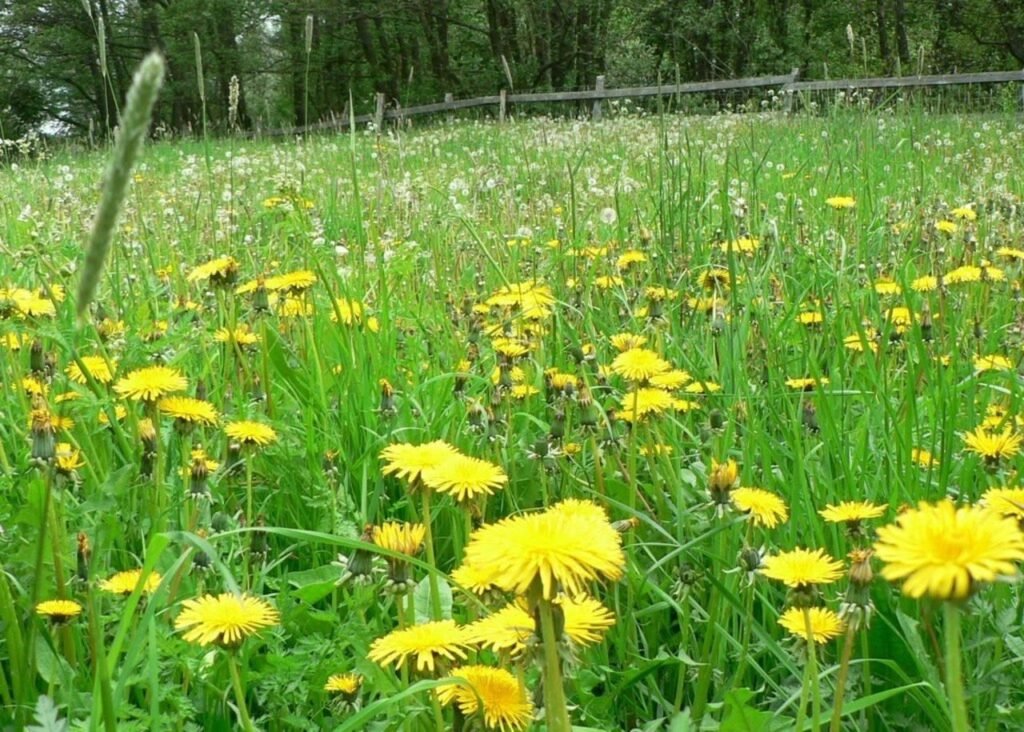
If you overseeded, wait. Most weed and feed products stop grass seed germinating as well as weed seed, so seeding and weed control belong in different weeks.
7. Set the Mower Height Correctly
For the first few cuts, mow high, removing no more than a third of the blade length. Scalping a lawn in early spring stresses the grass right when it is trying to recover from winter.
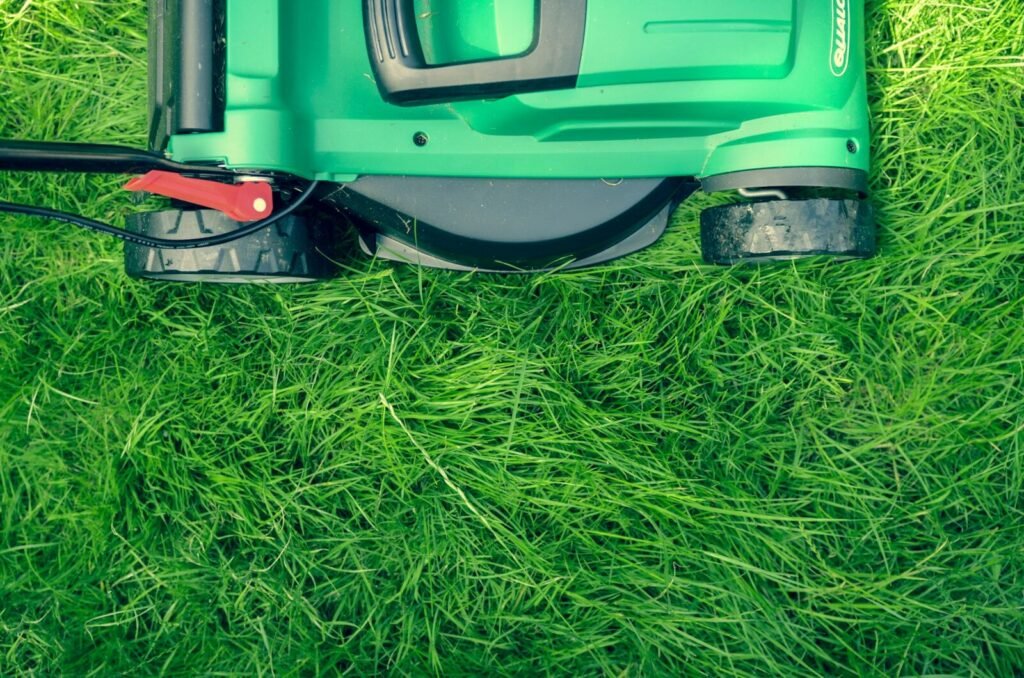
Sharpen the blade before the first cut. It is the cheapest improvement available to a lawn, and the difference in colour a day after mowing is visible without looking for it.
Order matters
Aerate, then overseed, then feed. Doing it in that order drops seed into the aeration holes where it meets soil. Feeding first and seeding afterwards wastes most of the seed on the surface.
For what the rest of the year asks for, see our complete guide to lawn care through the seasons and the summer lawn care tips.
Weed Control: Timing Beats Product
Spring weed control succeeds or fails on one number. Crabgrass and most annual weed seeds germinate when soil holds steadily around 55°F, and a pre-emergent applied after that point prevents very little, because the seeds have already started.
A soil thermometer two inches down, checked on three consecutive mornings, tells you far more than any published date. Forsythia coming into full bloom is the traditional local indicator and tracks the same threshold surprisingly well.
One caution that catches people out: pre-emergent stops grass seed germinating too. If you plan to overseed this spring, do not apply a standard pre-emergent, or you will pay for seed that cannot come up.
What Not to Do in Spring
- Do not fertilise heavily and early. A big nitrogen push before roots are active forces soft top growth that struggles the moment summer heat arrives.
- Do not dethatch by default. Measure first. Under half an inch, thatch is beneficial, and removing it is damage with no gain.
- Do not walk on soggy ground. Working a waterlogged lawn compacts it, which is the exact problem aeration is meant to fix.
- Do not cut short for a tidy first mow. Scalping in spring weakens roots ahead of the hardest season and opens gaps for weeds.
- Do not seed and apply weed killer together. Most spring weed products prevent new grass establishing. Choose one job this season.
Cool Season and Warm Season Lawns Diverge Here
The checklist above is written for cool season grasses such as fescue, ryegrass and Kentucky bluegrass, which grow hardest in spring and autumn.
Warm season grasses such as Bermuda, zoysia and St. Augustine work on the opposite calendar. They are still dormant during early spring and should not be fed or renovated until they have fully greened up in late spring, once soil is nearer 65°F. Feeding a dormant warm season lawn feeds only the weeds growing in it.
Our seasonal lawn care guide sets out both calendars side by side.
A Realistic Spring Timeline
Spread across six to eight weeks rather than one ambitious weekend. Grass recovers between jobs, and doing everything at once stresses a lawn that is only just waking up.
- Weeks 1 to 2: rake, clear debris, check soil temperature, test soil pH if you have never done it. Our guide to testing soil pH at home covers sampling.
- Weeks 3 to 4: dethatch if measured as necessary, then aerate compacted areas.
- Weeks 4 to 5: overseed while aeration holes are open, keeping the surface damp for two to three weeks.
- Weeks 6 to 8: first feed once growth is clearly underway, and begin regular mowing at the correct height.
Frequently Asked Questions
When should I start lawn care in spring?
Once soil temperature is consistently above about 50F and the grass is visibly growing. Going earlier, on cold or waterlogged ground, compacts the soil and sets the lawn back.
Should I aerate or dethatch first?
Dethatch first if the thatch layer is over half an inch, then aerate, then overseed and feed. Aerating through a thick thatch layer is much less effective.
How short should I cut the lawn in spring?
Never remove more than a third of the blade height in one pass. Cut high for the first few mows while the grass is rebuilding after winter.
Should I overseed or use weed killer in spring?
Not both. Most spring pre-emergent weed products also stop grass seed germinating. If the lawn is thin, overseed and accept some weeds this year; if it is thick, treat weeds and overseed in autumn instead.
When is it too late for spring lawn care?
Once daytime temperatures are consistently in the 80s Fahrenheit, stop renovation work. Aeration, dethatching and heavy feeding in early summer stress a lawn heading into its hardest weeks.
Do I need to water after overseeding in spring?
Yes, and differently from normal. Keep the top inch consistently damp with light, frequent watering for the first two to three weeks. This is the one situation where shallow frequent watering is correct.
Is spring or autumn better for lawn renovation?
Autumn, for cool season grass. Warm soil, cooler air and far less weed competition make it the strongest window of the year. Spring renovation is repair work; autumn renovation is where the lawn is actually built.
[…] aeration and seed applied inside the same two weeks compound each other, which is why the order of operations in a seasonal routine matters as much as the individual […]
[…] repairing winter damage and setting the lawn up to grow strong before summer stress arrives. Our Spring Lawn Care Checklist covers the full seven step routine, from dethatching through to the first mow […]