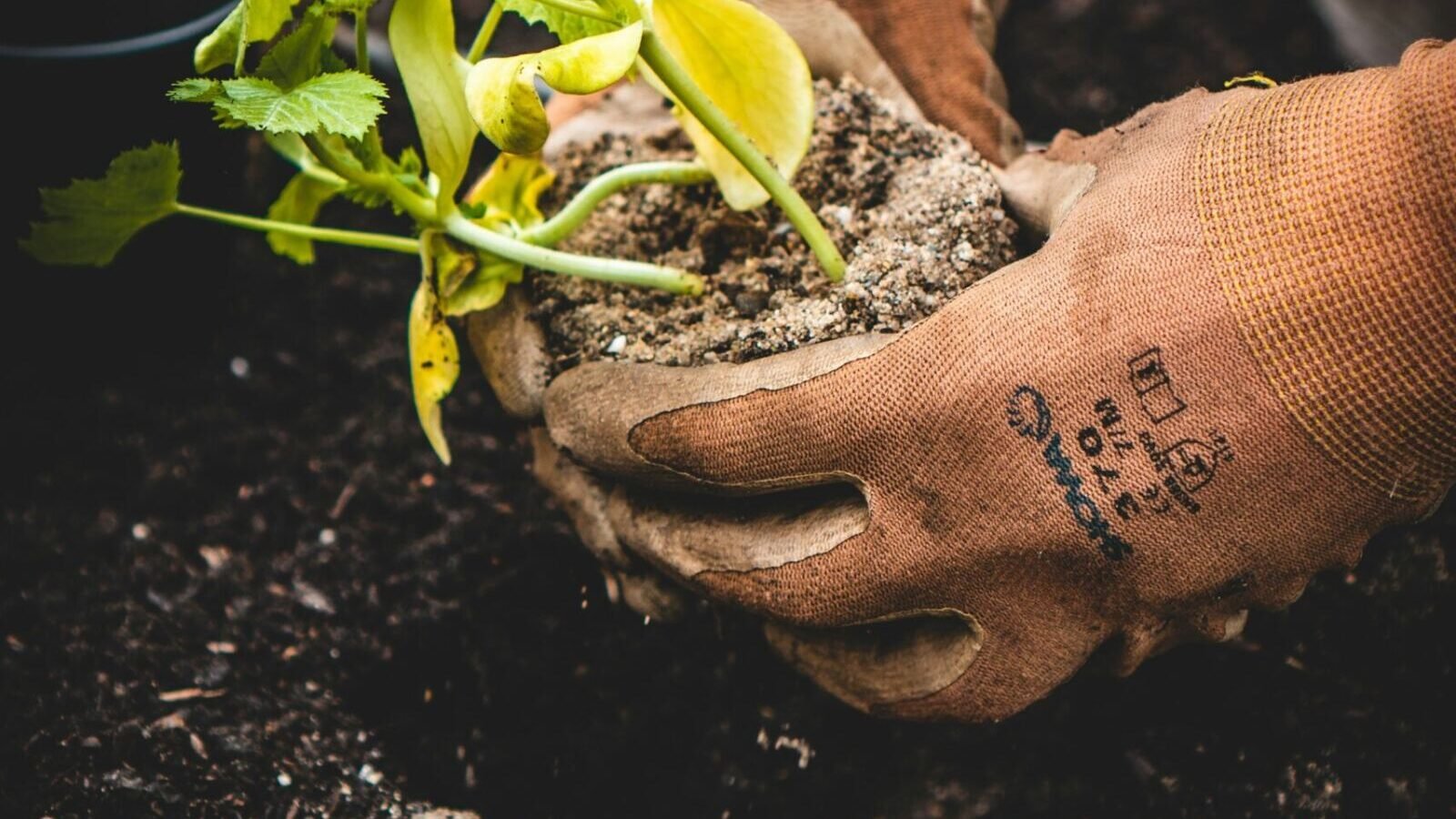
10 Gardening Tips Every Beginner Should Know
Foundational gardening advice for beginners: the habits and small decisions that prevent most of the common early mistakes.
Table of Contents
- 1. Test Your Soil Before You Plant
- 2. Right Plant, Right Place
- 3. Water Deeply, Not Often
- 4. Mulch Almost Everything
- 5. Do Not Fight Your Climate
- 6. Start Small
- 7. Deadhead to Extend Flowering
- 8. Keep a Simple Garden Journal
- 9. Learn to Identify a Few Common Pests Early
- 10. Feed the Soil, Not Just the Plant
- Frequently Asked Questions
Most early gardening mistakes come from a handful of avoidable habits, not a lack of talent. These ten tips cover the fundamentals that make everything else easier.
Biggest single factor
Right plant, right place
Mulch depth
2 to 3 inches
Watering
Deep and infrequent
1. Test Your Soil Before You Plant
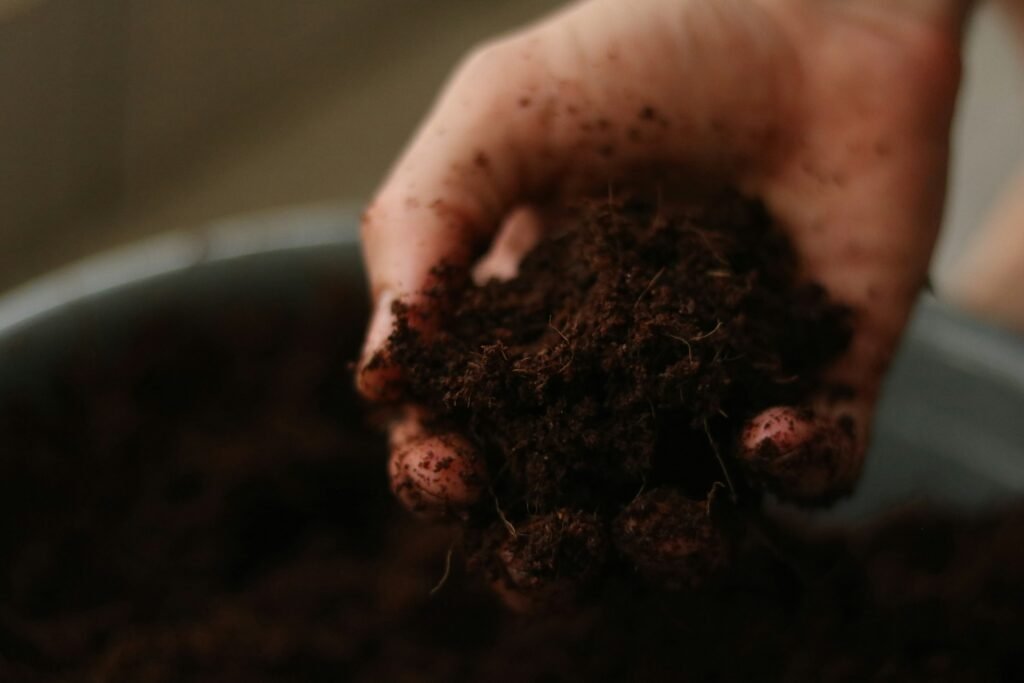
A simple soil test tells you pH and major nutrient levels, which explains far more about plant success or failure than most people expect. It costs little and saves seasons of guessing.
pH matters because it controls whether nutrients already in your soil are available to roots at all. A plant can sit in soil full of iron and still show deficiency because the pH has locked it away.
2. Right Plant, Right Place
Match a plant sun, water and soil needs to the actual conditions in your garden, not the spot you would like it to grow. Checking a plant tag or listing before buying prevents most early losses.
Count the real hours of direct sun a spot receives across a full day before you trust your impression of it. Gardeners consistently overestimate sun, and a sun lover in four hours of light survives without ever performing.
3. Water Deeply, Not Often
Frequent shallow watering encourages roots to stay near the surface, where they dry out fast. Watering less often but more deeply encourages deeper, more resilient root systems.
Check before watering rather than watering on a schedule. Push a finger two inches into the soil: if it is damp there, wait.
4. Mulch Almost Everything
A 2 to 3 inch layer of mulch conserves moisture, suppresses weeds and moderates soil temperature. It is one of the highest impact, lowest effort habits in gardening.
Keep it pulled back an inch or two from stems and trunks. Mulch piled against bark holds moisture there and invites rot, which undoes the benefit entirely.
5. Do Not Fight Your Climate
Know your hardiness zone and your typical first and last frost dates before choosing plants or timing sowing. Fighting your climate is a losing, repetitive battle.
Learn your garden microclimates too. A south facing wall holds plants a zone tenderer; a low corner frosts first. These differences are often larger than the gap between neighbouring zones.
6. Start Small
A well tended small bed beats an overwhelmed large one. It is easier to expand a garden you are keeping up with than to rescue one that got away from you.
7. Deadhead to Extend Flowering
Removing spent flowers on many plants signals the plant to keep producing more, rather than setting seed and slowing down.
Leave the last flush of the season on plants with good seed heads. Coneflowers, rudbeckia and grasses feed birds through winter and hold frost beautifully.
8. Keep a Simple Garden Journal
Note what you planted, when, and how it performed. This turns each season into useful information for the next, instead of starting from scratch every year.
One season of your own notes is worth more than any general advice, because it is about your soil, your light and your climate rather than an average of everyone else.
9. Learn to Identify a Few Common Pests Early
Catching aphids, slugs or early signs of disease while the problem is small makes it far easier to manage without resorting to heavy intervention.
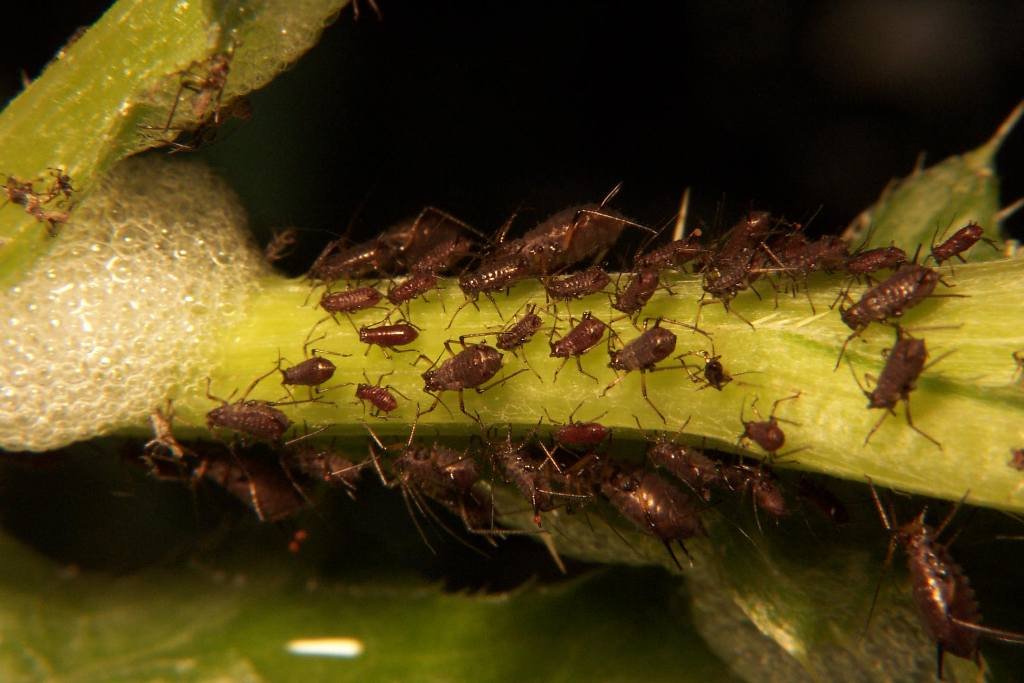
Walk the garden regularly and look closely. Problems caught early are usually simple; the same problem noticed a month later often is not.
10. Feed the Soil, Not Just the Plant
Compost and organic matter improve soil structure over time, which benefits everything you grow in it long after a single feeding of fertiliser has been used up.
Two to three inches of compost spread on bed surfaces each year is rarely wrong. There is no need to dig it in; soil life will move it down and the structure stays intact.
If you only do one thing
Map the sun. Watch where light actually falls across a full day, then match every plant you buy to what that spot really offers. It prevents more losses than any other single habit.
For more depth on each habit, see our complete beginner gardening guide and the spring garden checklist.
Frequently Asked Questions
What is the most common beginner gardening mistake?
Putting a plant in the wrong spot for its sun, soil and water needs. It causes more losses than pests, disease and cold combined.
How much mulch should I use?
Two to three inches over the bed surface, kept an inch or two clear of stems and trunks so moisture does not sit against bark.
Do I really need a soil test?
Once every few years, yes. It tells you pH and nutrient levels, which decides whether the fertiliser you are buying will do anything at all.
[…] knowing your sun exposure in the spot you want to plant, and knowing your local frost dates. Our 10 Gardening Tips Every Beginner Should Know covers ten starting habits in more detail, including soil testing and right-plant-right-place […]
[…] or tree, and treat it as the first filter in plant selection — not the only one. Pair it with our 10 Gardening Tips Every Beginner Should Know for the rest of the beginner […]
[…] rather than the surface. This pairs naturally with understanding your USDA hardiness zone and our 10 Gardening Tips Every Beginner Should Know as part of the basic groundwork before choosing what to […]