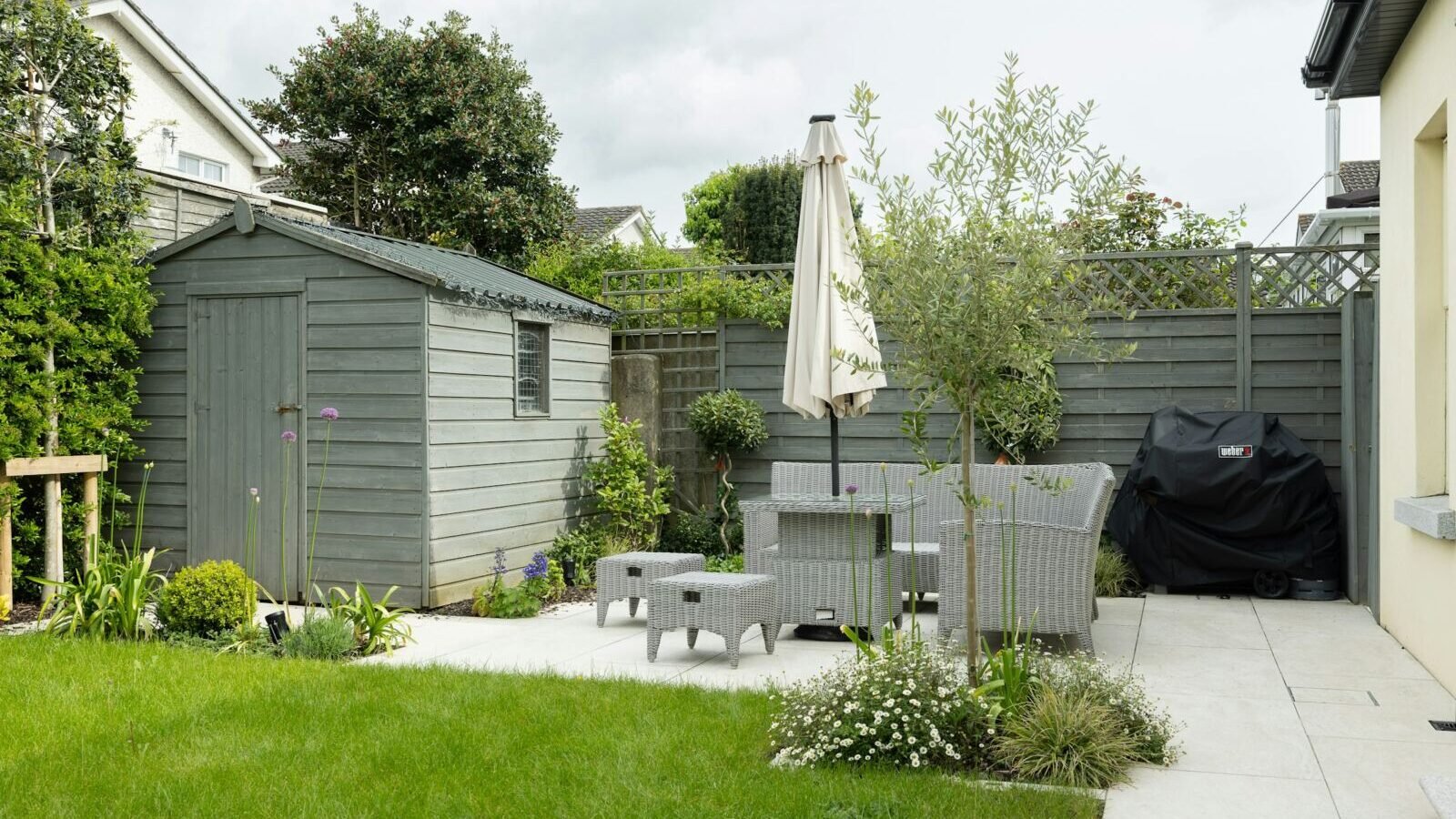
The Complete Guide to Garden Ideas for Every Yard
A full framework for generating and choosing garden ideas that fit your actual space, climate, and how you use your yard.
Table of Contents
The short answer
Start from constraints, not inspiration. Light, soil, budget and available time rule out most ideas before you choose between the rest. The ideas that work in almost any yard are a single focal point, a path that curves out of sight, repeated planting, one large container rather than several small ones, and lighting one thing well.
Garden ideas as a search term usually means one thing: you want inspiration you can actually apply to your own yard, not just pretty photos. This guide walks through how to go from a blank or underused yard to a set of ideas you can realistically build, organised by the questions that actually determine what will work.
Start from
Sun, soil, time and budget
Cheapest big win
Mulch, a path, repeated planting
Biggest trap
Copying a photo from a different climate
Start With Constraints, Not Inspiration
Before browsing ideas, define what you are working with: sun exposure through the day, soil type, budget, and how much time you can realistically give to upkeep. An idea that ignores these constraints, such as a lush English border in full shade, will fight you every season.
Write the four constraints down and keep them next to you while you browse. It converts an overwhelming stream of images into a short list of things that could actually work where you live.
Ideas by Yard Size
Small yards and courtyards
Vertical growing, raised beds and multi purpose seating do the most work in a small footprint. See our Small Backyard Garden Ideas That Actually Work for a full breakdown of layout tactics that make small spaces feel bigger.
Mid-size suburban yards
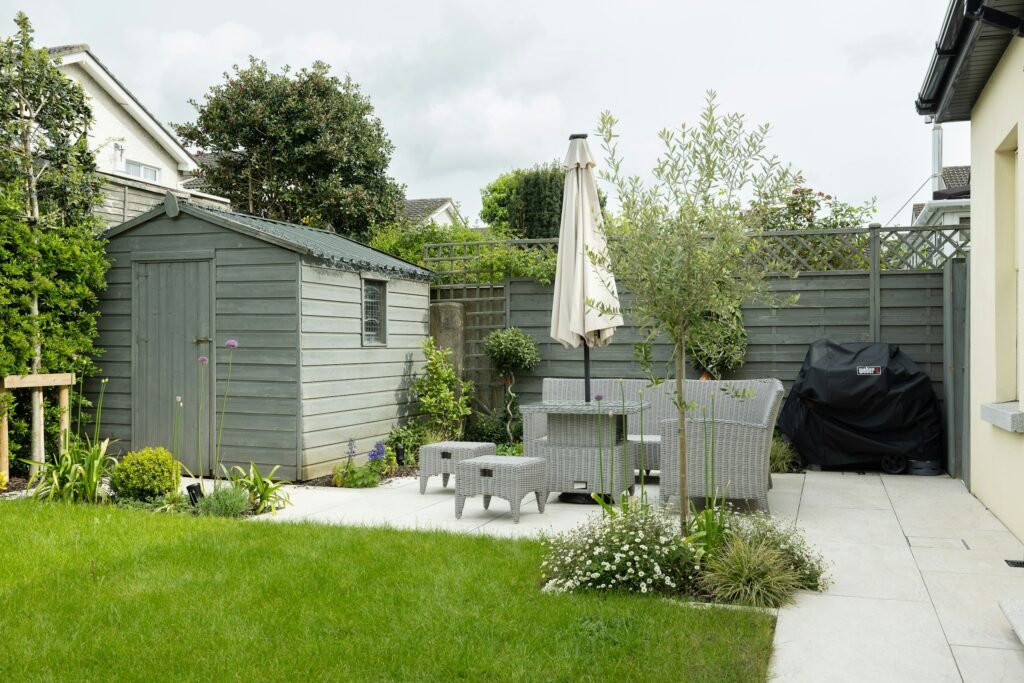
These benefit most from zoning, splitting the yard into a seating area, a planted area and a utility area, rather than one undivided lawn. See our pillar on garden design layout planning for the zoning framework.
Large yards and acreages
Larger spaces need a backbone of trees, hedging or hardscaping to avoid feeling empty or shapeless. Ideas here should start with structure, then fill in with planting.
Ideas by Goal
- Low maintenance: group drought tolerant, low mow and mulched beds over lawn where practical.
- Wildlife friendly: layered planting with a range of flowering times supports pollinators far more than a single ornamental bed.
- Productive: raised vegetable beds near the kitchen door get used far more than ones tucked in a back corner.
- Entertaining: prioritise hardscaping and lighting over pure planting, because usable space matters more than plant variety here.
Ideas by Budget
The cheapest changes that read as a real improvement are almost always the same three: mulch every bed, cut a clean edge between lawn and planting, and repeat a few plants rather than buying one of everything.
Hardscaping is where budgets disappear. If money is tight, do one path properly rather than three areas badly, because half finished hard landscaping looks worse than none.
Ideas by Light and Aspect
Before size or budget, light decides what is possible. The same idea succeeds on one side of a fence and fails on the other.
A hot, south facing yard
Shade becomes the feature rather than an afterthought: a pergola, a small multi-stem tree, a sail over the seating area. Planting leans Mediterranean, meaning silver foliage, lavender, rosemary, grasses and anything that prefers sharp drainage and hard sun.
A shaded or north facing yard
Stop fighting it. Shade gardens are calmer and need far less water. Ferns, hostas, hellebores and woodland bulbs thrive, and pale gravel, light paving or a mirror on a boundary wall lifts the whole space more effectively than struggling sun lovers ever will.
A windy or exposed plot
Permeable screening beats solid fencing. A solid barrier creates turbulence and damage behind it, while a hedge or slatted screen filters wind and calms the space downstream of it.
Five Ideas That Work in Almost Any Yard
- A destination. Somewhere to walk to and sit, even a single chair in a far corner, gives the whole garden a purpose.
- A path that curves out of sight. The cheapest way to make any yard feel larger than it is.
- Repeated planting. The same shrub or grass repeated at intervals reads as design rather than accumulation.
- One large container rather than several small ones. Scale reads as confidence; clusters of small pots read as storage.
- Lighting one thing. A single uplit tree extends the garden into the evening more than a dozen path lights.
Ideas Worth Skipping
Some popular ideas cost more in maintenance than they return in pleasure, and it is worth knowing which before committing.
- Large lawns in dry climates, which consume water and time for a surface you may barely walk on.
- Complex water features, which need pumps, cleaning and winterising. A simple still bowl gives most of the effect with none of the maintenance.
- High maintenance formal hedging in a garden nobody has time to clip twice a year.
- Too many different hard materials. Three paving types in one small yard makes the space feel chopped up.
Ideas for the Difficult Spots
Most yards have one area that defeats every plan. These are the usual suspects and what actually works in them.
The narrow side return
Usually treated as storage and written off. Because it is narrow and enclosed it is also the easiest place in the garden to make dramatic: a run of identical pots, a single climber trained along one wall, lighting at ground level, and a hard surface that makes it worth walking through rather than past.
Dry shade under a tree
The hardest conditions in any garden, because the tree takes both the light and the water. Grass will not win here. Shade tolerant ground cover, a mulched circle, or simply a bench and gravel are all more honest solutions than reseeding the same bare patch every spring.
A slope
Either terrace it into usable flat ground, which is real work, or lean into it with ground cover and a path that traverses across rather than climbing straight up. Mowing a slope is unpleasant enough that most people stop doing it.
An overlooked garden
Screening at the boundary rarely works, because the windows looking in are usually above fence height. Screen close to where you sit instead: a pergola, a tree with a high canopy, a sail. Blocking the sightline at your end is cheaper and more effective than trying to build a wall at theirs.
A soggy corner
Fixing drainage is one option. Planting for it is the cheaper one. A bog bed with moisture loving plants turns the problem into the most distinctive part of the garden.
Where Good Ideas Actually Come From
Photographs are the least reliable source, because they hide the two things that decide whether an idea works: climate and maintenance.
More useful sources, in rough order of value: gardens in your own neighbourhood, which prove what survives your conditions; local botanic gardens and their plant labels; and your own notes from last season about what thrived and what struggled.
Keep a note on your phone through the year. A photograph of your own garden in February is worth more than any amount of inspiration in May, because it shows you exactly where the gaps are.
Turning an Idea Into a Plan
Every good idea eventually needs a layout decision (see our Garden Design Basics guide) and, often, a hardscaping decision (see our guide to building a gravel pathway). Treat inspiration as the starting point, not the finish line.
Sequence matters as much as choice. Our landscaping guide covers the order hard structure should be built in so nothing gets torn out and redone.
Reality check
Before saving another photo, ask what climate and aspect it was taken in. A border that looks effortless in a cool, damp maritime garden is a season of frustration in a hot, dry one, and the photo never says which it was.
Frequently Asked Questions
How do I get garden ideas that will actually work for my space?
Start from your yard real constraints, which are sun, soil and time, rather than starting from photos, then filter ideas against those constraints.
What is the cheapest way to improve a plain backyard?
Mulching beds, adding a defined path, and grouping a few repeated plants usually improves the look of a plain yard more, and more cheaply, than buying many different plants.
Where should I start in a completely blank yard?
With drainage and levels, then paths and structure, then planting. Anything planted before the hard structure is finished usually gets dug up again.
How do I stop my garden looking like a copy of a magazine photo?
Take the principle rather than the picture. What usually appeals in a photograph is a relationship between shapes, light and scale, not the specific plants, and that relationship can be rebuilt with species suited to your own conditions.
Should I hire a designer or do it myself?
A single paid consultation, rather than a full design service, is often the best value. An hour on site can resolve the structural decisions that are expensive to get wrong, leaving the planting to you.
How much of a yard should be planting versus open space?
There is no fixed rule, but gardens that feel comfortable usually keep a generous, clearly shaped open area rather than filling every edge. Open space is a design element, not leftover ground.
[…] This article is one piece of a bigger picture. For the full walkthrough, see our The Complete Guide to Garden Ideas for Every Yard. […]