Peace Lily Care Guide: Light, Watering, and Getting White Blooms
Peace lilies are popular precisely because they’re forgiving — and because they tell you exactly what they need through dramatic leaf drooping. This guide covers light, watering, and how to encourage the white blooms the plant is named for.
Pet safety note: peace lilies contain calcium oxalate crystals and are toxic to cats and dogs if chewed or ingested, causing mouth irritation, drooling, and vomiting. Keep them out of reach of curious pets, and contact a veterinarian if ingestion is suspected.
Light Preferences
Peace lilies thrive in medium to bright indirect light — a few feet back from an east- or north-facing window is ideal. Direct sun scorches the leaves, leaving brown, crispy patches, while very low light keeps the plant alive but sharply reduces blooming.
Watering and Drooping Leaf Diagnosis
The dramatic droop peace lilies are known for is actually a useful signal, not just a problem:
- Drooping with dry soil: the plant is thirsty. Water thoroughly and it typically perks back up within a few hours.
- Drooping with wet, soggy soil: this points to overwatering or root rot, not thirst — let the soil dry out significantly before watering again, and check roots for a sour smell or mushy texture if it doesn’t recover.
- Yellowing leaves: usually overwatering; brown leaf tips are more often a sign of tap water minerals, low humidity, or under-watering.
As a general rule, water when the top inch or two of soil feels dry, rather than on a fixed schedule.
Encouraging White Blooms
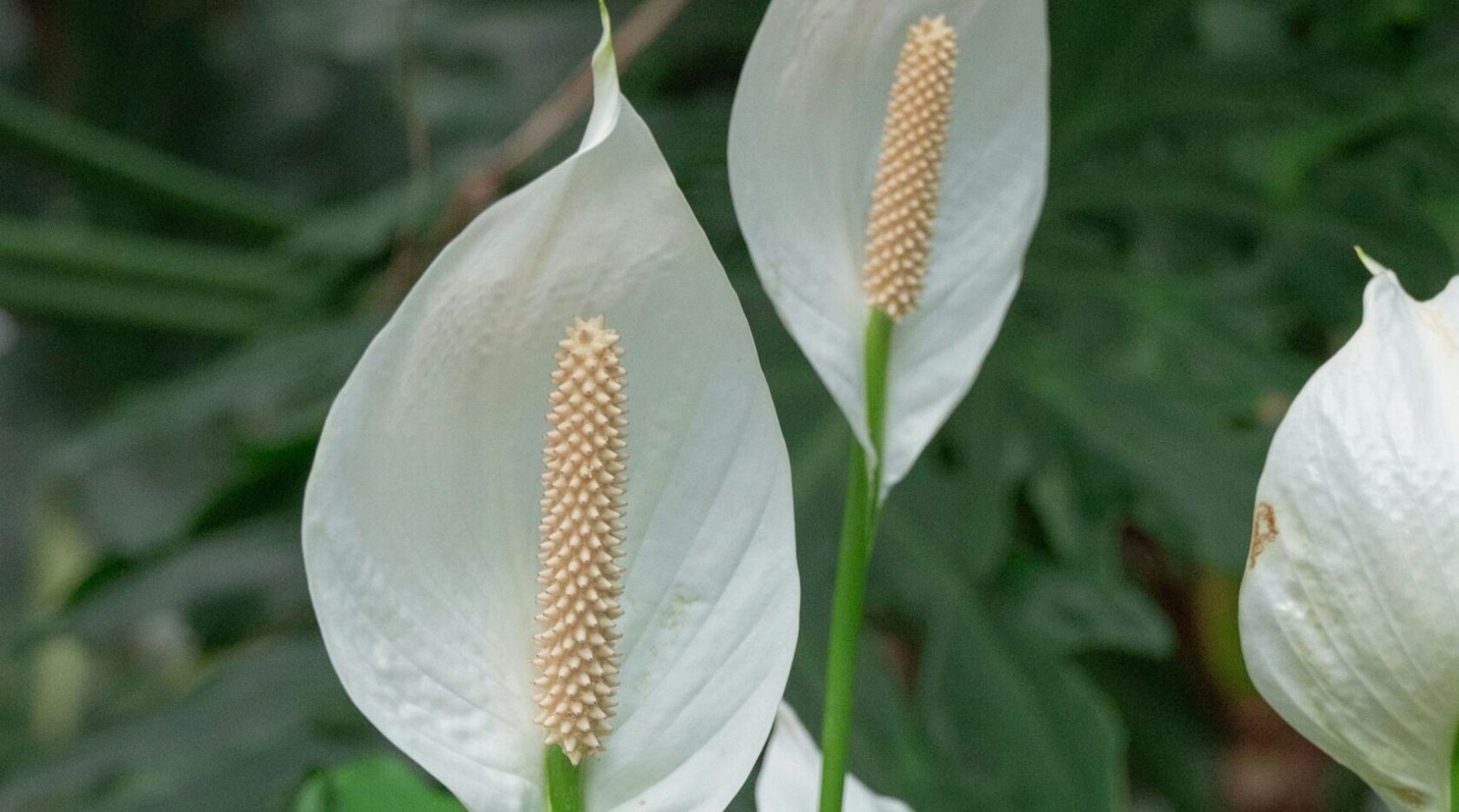
The white “flower” is actually a modified leaf called a spathe, surrounding the true flower spike. To encourage blooming:
- Provide bright indirect light — low light is the most common reason a peace lily won’t bloom.
- Feed lightly with a balanced houseplant fertilizer during the growing season (spring through summer); skip feeding in winter.
- Keep the plant slightly root-bound rather than in an oversized pot — peace lilies often bloom more reliably when snug.
Common Mistakes
- Watering on a fixed schedule instead of checking the soil, which leads to over- or under-watering.
- Placing in direct sun to “help it bloom,” which scorches leaves instead.
- Repotting into an oversized container, which often delays blooming rather than encouraging it.
For another low-fuss flowering plant with similarly clear watering needs, see our lavender care guide.

Garden Editors
The editorial team behind Landscape Garden Idea, publishing practical, tested guides on gardening and landscaping.
How we research and write our guides: Our Editorial Policy