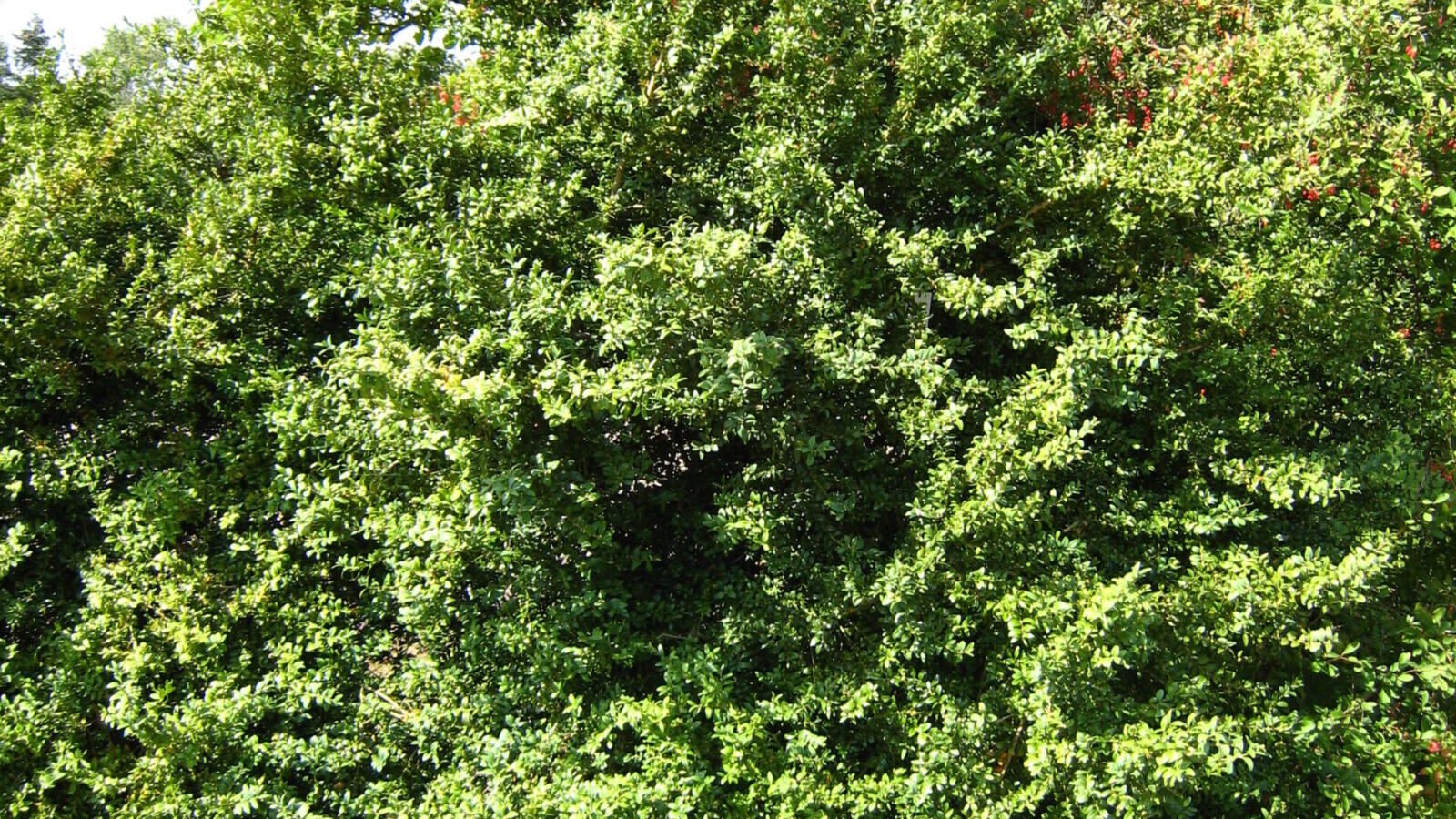
Boxwood
Boxwood is the plant that gives a garden its bones. It is not what anyone plants for excitement, but it is what makes everything around it look deliberate rather than accidental, and it holds that structure through winter when the rest of the garden has gone.
Where It Works
Full sun to partial shade, with shelter from harsh winter wind. In cold climates, an exposed position causes winter bronzing, where the foliage turns an orange brown. The plant usually recovers in spring, but it looks rough for months.
Soil should be well drained and roughly neutral. Boxwood tolerates most ground but hates sitting wet, and root rot in heavy soil is one of the few things that kills it outright.
Watering
Water regularly through the first two seasons while the root system establishes. After that boxwood is genuinely low maintenance and rarely needs supplementary water except in prolonged drought.
Roots sit shallow, so keep a layer of mulch over them and avoid digging close to the base.
Pruning and Shaping
Late spring, after the first flush of new growth has hardened, is the main pruning window. A second light tidy in midsummer keeps formal shapes crisp.
Stop pruning by late summer. Cuts made in early autumn push out soft new growth that will not harden before the first frost, and that growth dies back over winter.
One technique is worth the extra effort on established plants: thin some inner branches rather than only shearing the outside. Shearing alone builds a dense outer shell that blocks light and air from the centre, which is exactly the condition fungal problems need.
Using It in a Design
- Low hedging to edge beds and give a loose planting scheme a clean outline.
- Repeated forms, such as identical balls spaced down a border, to create rhythm.
- Containers flanking a doorway, where year round structure earns its keep.
- Winter framework that keeps a garden readable once perennials have died back.
Our garden design basics guide covers why structural planting goes in before anything decorative.
Buy small, wait a little
Large specimen boxwood is expensive and transplants slowly. Smaller plants cost a fraction, establish faster, and usually catch up with the expensive ones within three or four years.
Common Problems
Orange or bronze winter foliage
Wind and cold exposure. Usually cosmetic, and it greens up again in spring.
Bare, dead centre
Years of shearing the outside only. Thin some inner branches to let light back in.
Sudden dieback of whole branches
Check drainage first. Waterlogged roots are the most common cause.